CIRCUIT GUIDE: Everything you need to know about the Circuit of The Americas
Get up to speed with all the key Circuit of The Americas statistics, driving pointers, facts and more.
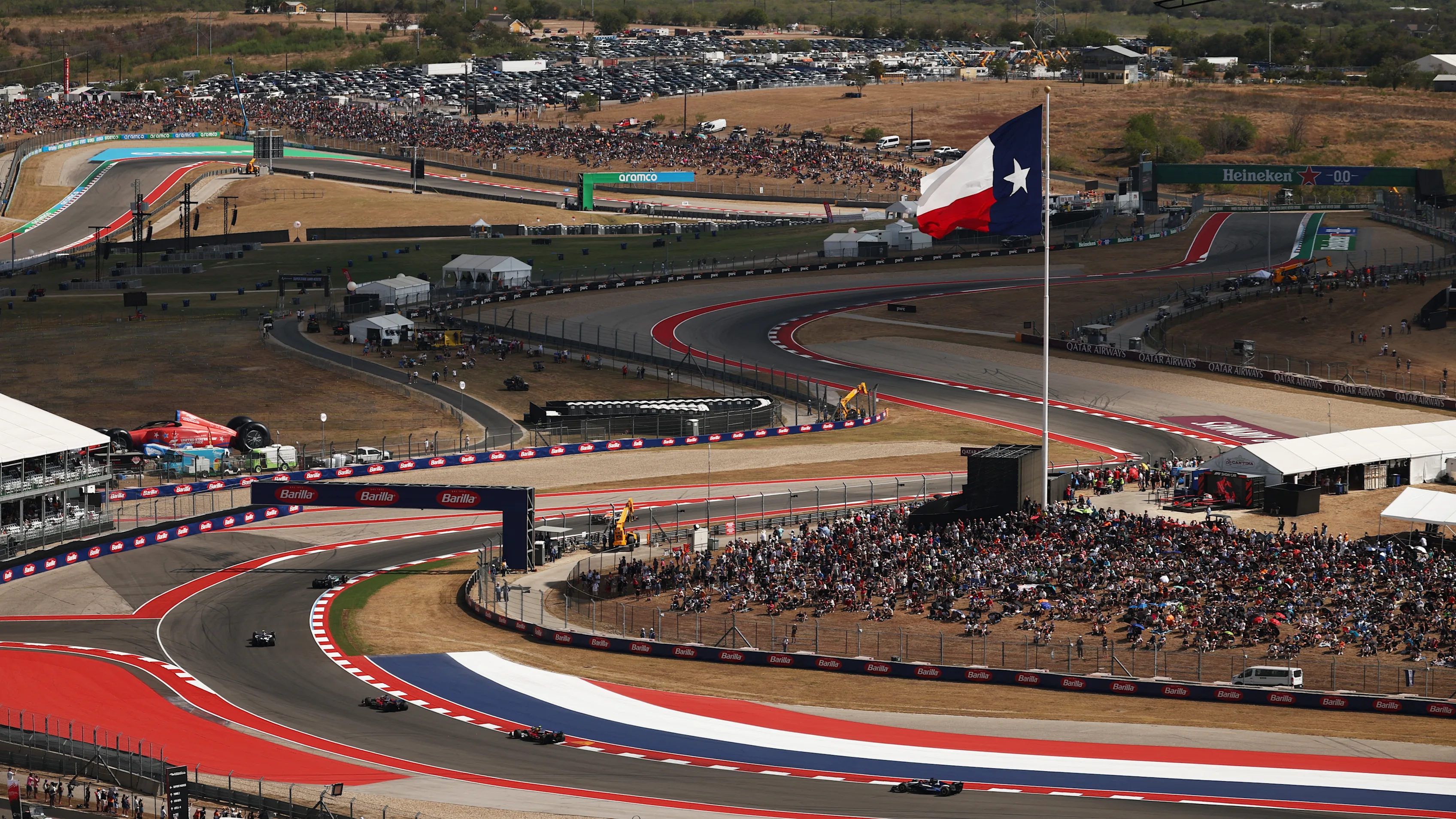
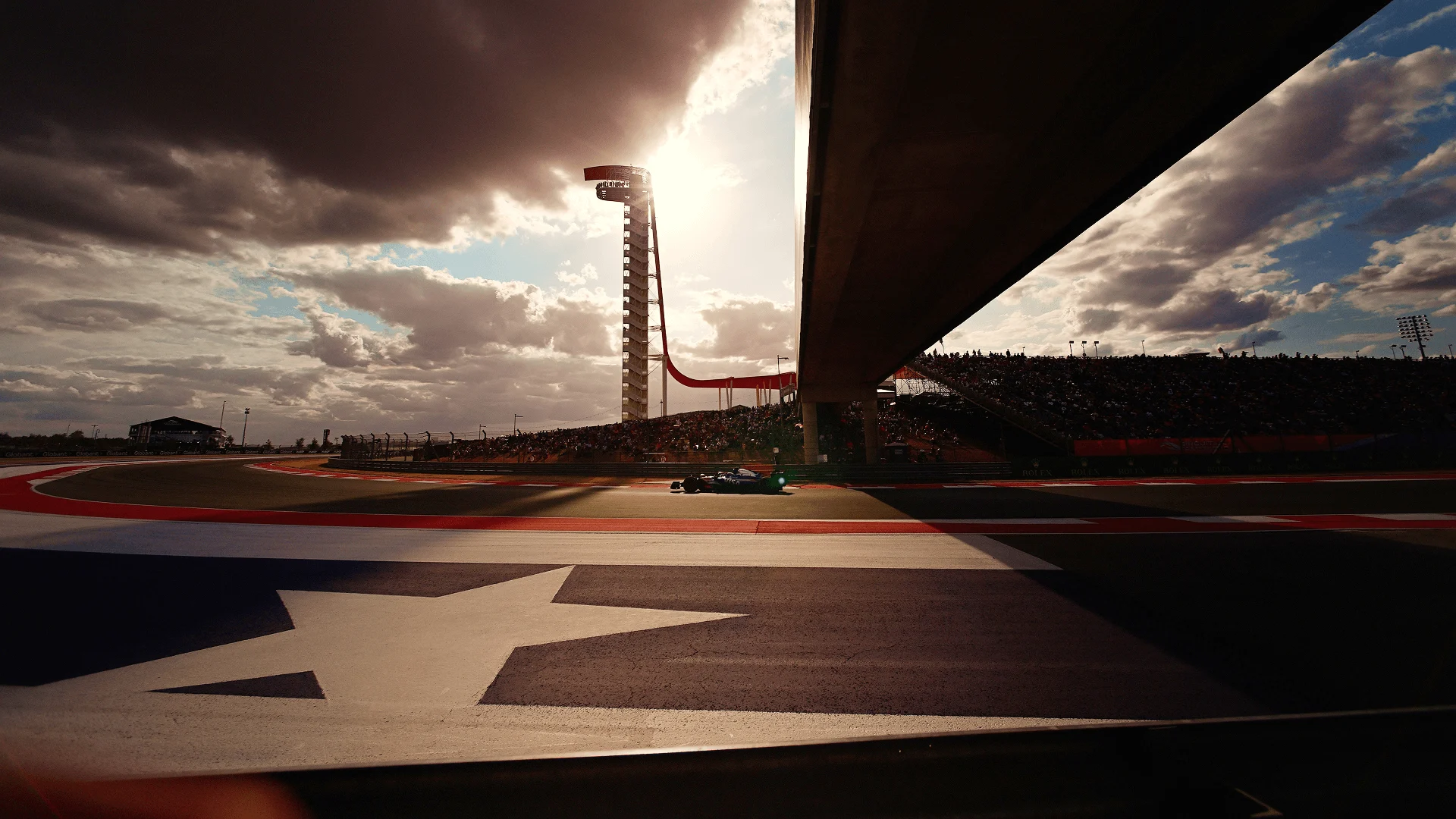
The 2026 Formula 1 season heads to Texas this weekend for the United States Grand Prix, as Austin’s Circuit of The Americas prepares to welcome the drivers for Round 18 of the campaign. But how much do you know about the famous American venue? F1.com has your all-in-one guide…
Key Circuit of The Americas statistics
- Circuit length: 5.513km
- Number of turns: 20
- Number of laps: 56
- Race distance: 308.405km
- Lap record: 1m 36.169s – Charles Leclerc (2019)
When was Austin’s first Grand Prix?
The Circuit of The Americas made its Formula 1 debut in 2012, becoming the first purpose-built F1 venue in the United States and marking the championship’s return to the country after a five-year absence.
It was designed by renowned circuit architect Hermann Tilke and the track takes inspiration from some of F1’s most famous corners, including Silverstone’s Maggots and Becketts sequence and the sweeping turns in the stadium section of Hockenheim in Germany.
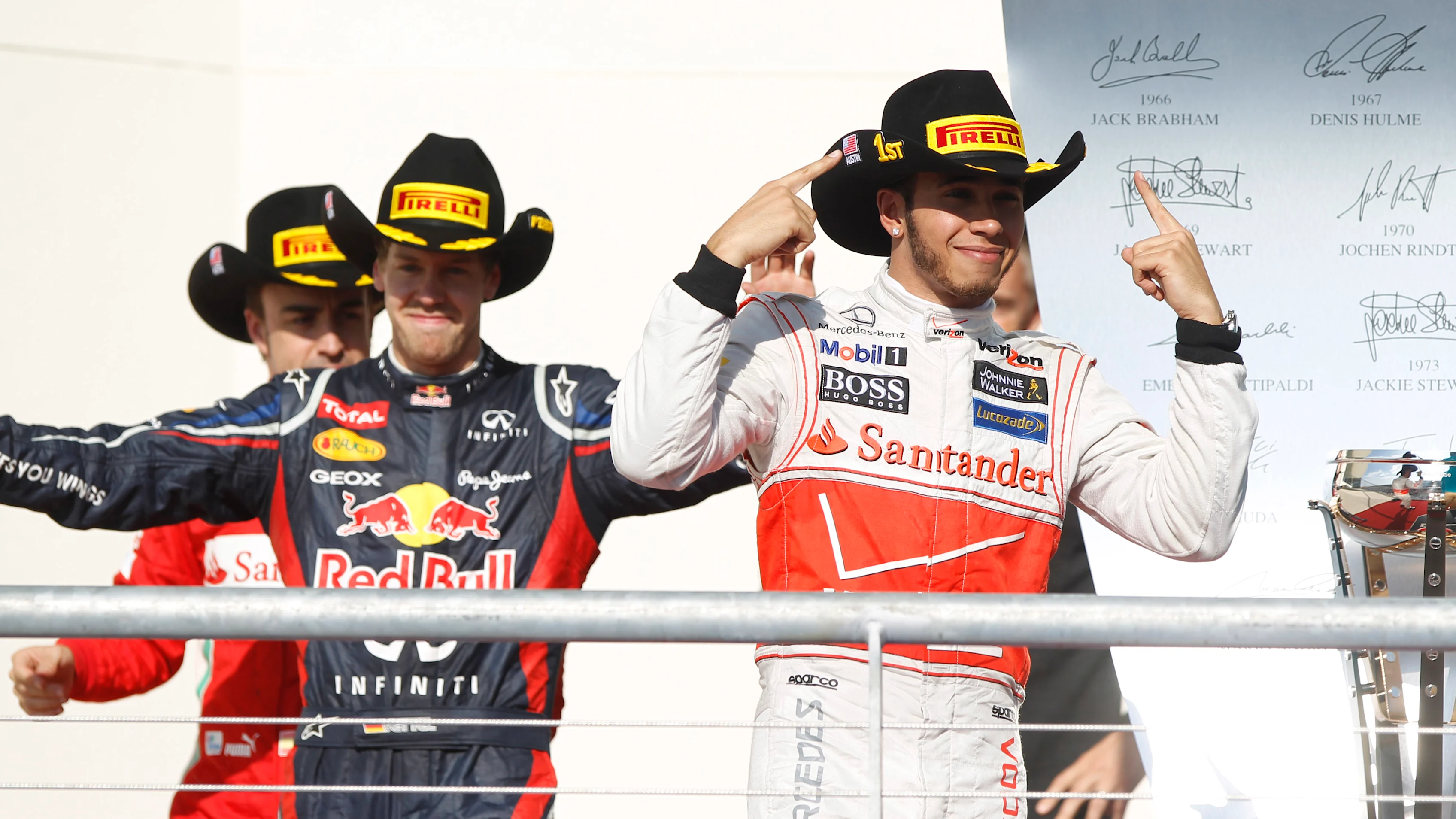
The inaugural race was won by Lewis Hamilton, who overtook Sebastian Vettel to claim his final victory for McLaren before his switch to Mercedes. The Briton has since become the most successful F1 driver in COTA’s history, with five victories to his name.
What’s the circuit like to drive?
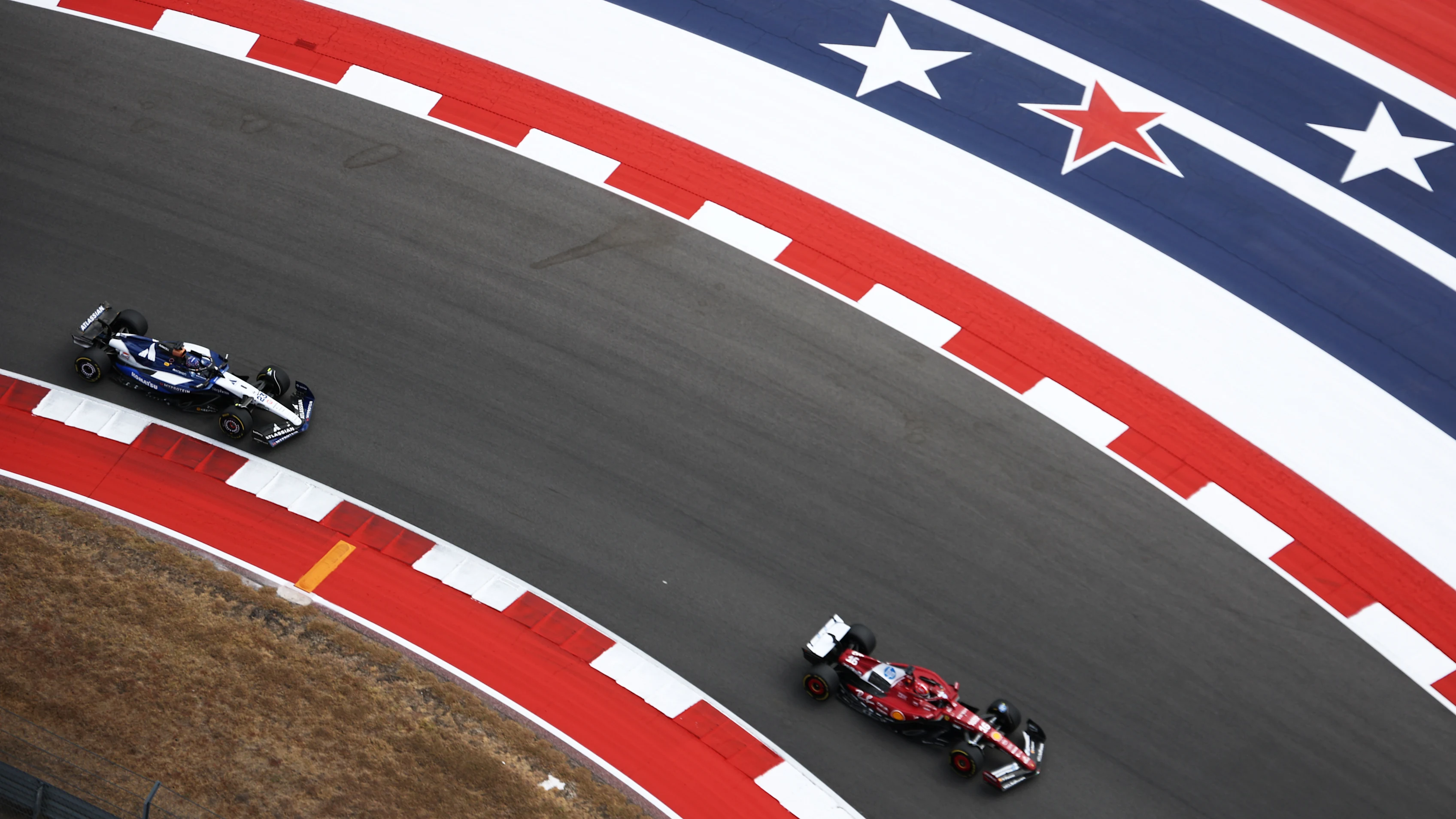
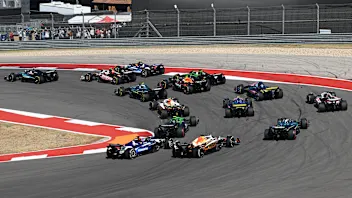
The 5.513km circuit combines high-speed changes of direction with tight, technical corners. Meanwhile, the steep uphill approach to Turn 1 and blind apex offers one of the most dramatic starts to a lap anywhere on the calendar.
With 20 corners and several overtaking opportunities, drivers need to balance speed and precision throughout the lap, particularly through the opening sector and the more technical final sector.
Jolyon Palmer, former Renault F1 driver, explained: “The Circuit of The Americas is a great track that takes inspiration from parts of other legendary corners on the calendar.
“The uphill Turn 1 is difficult at the race start as there are loads of different lines that can be taken, then you sweep through the first sector, which is a bit like Silverstone, where you’re trying to find your rhythm.
“After that, it’s the long back straight and you’ve got to get your braking point right at the end of it.
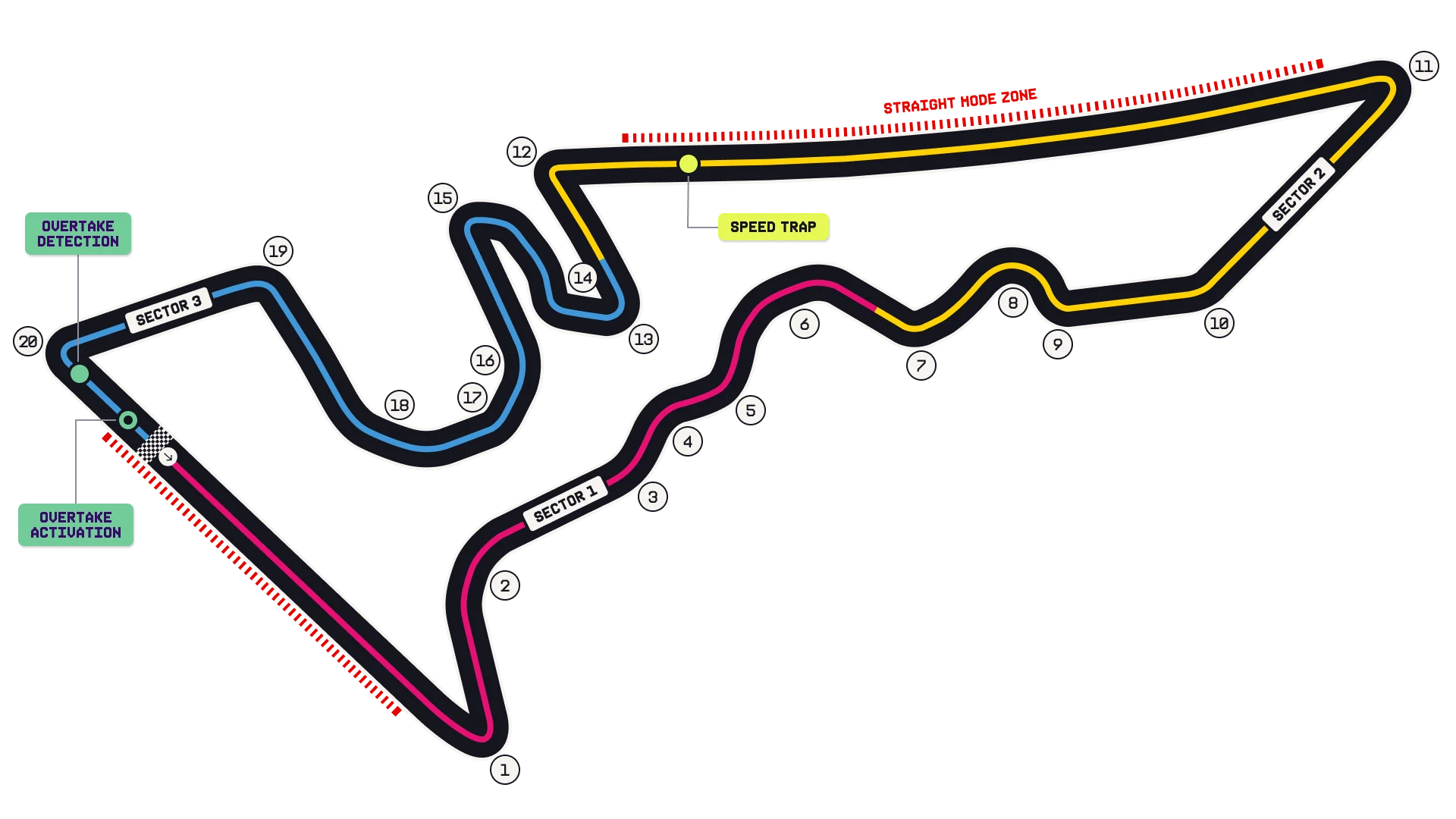
“Probably the hardest section on the circuit is Turn 13 through to Turn 15, which feels like an odd complex of corners behind the wheel. Turn 13 is conventional, but finding your line through to 15 is not easy, while that Turn 14 area puts a lot of load on the tyres.
“You go through the quadruple right-hander after that, followed by Turn 19, which is a really nice corner – though track limits are an issue.
“Finally, you stop for Turn 20, then it’s a short burst to the line, but drivers need to be careful not to light things up as it’s easy to break traction."
"The Circuit of The Americas is a great track that takes inspiration from parts of other legendary corners on the calendar."
Where are the Straight Mode zones and overtake detection?
As a reminder, and as explained in our pre-season summary of regulation changes, Straight Mode is a different aerodynamic configuration that allows cars to reduce their drag, making them more efficient when accelerating up towards top speed.
The rear wing continues to open up a gap – just like it did when drivers used DRS (the Drag Reduction System) in the past – but now the front wing also moves. The uppermost front wing elements drop down at the same time the rear wing’s top element does.
This is a mode that is used on every single lap in dry conditions, in every area that is designated for it. Essentially, the car will adapt between two different configurations depending on where it is on the track, providing maximum downforce in corners but then less drag on straights.
In Austin, there are two designated Straight Mode zones – the first is located between Turns 11 and 12, while the second runs along the start/finish straight after Turn 20 into Turn 1.
Meanwhile, Overtake Mode replaces DRS and is a new power mode that allows a driver to recharge more electrical energy, and generate an additional electrical power profile, so they can sustain a higher speed for a longer period.
There is one detection point per lap for this mode – expected to be out of the final corner on many occasions, leading onto a long straight – and it will be available to drivers on the following lap as long as they stay within a second of the car in front at that detection point.
Around the Circuit of The Americas, the Overtake Detection point comes as drivers head out of Turn 20, while the Overtake Activation line follows on the start/finish straight.
Five fun facts about the United States Grand Prix
- Everything really is bigger in Texas! For 2026, COTA is unveiling what is set to be the world’s largest cowboy hat, measuring 75 feet long, with a themed bar underneath. The attraction will be located in the circuit’s Lone Star Land fan area.
- Lewis Hamilton has clinched two of his seven World Drivers’ Championships at COTA, securing his third title in 2015 and his sixth in 2019.
- Before Austin took over in 2012, five other circuits hosted the United States Grand Prix – Sebring, Riverside, Watkins Glen, Phoenix and Indianapolis.
- F1 ACADEMY will return to COTA this year for the first time since its inaugural season in 2023, with the series set to stage three races across the weekend.
- Mercedes hold the record for the most wins in COTA with five victories to date, while Red Bull are close behind with four.
Next Up
Related Articles
 5 storylines we're excited about ahead of the United States GP
 UnlockedHINCHCLIFFE: Why Lawson deserves to keep his seat at Racing Bulls
 Aston Martin reveal special livery for United States Grand Prix
 Facts, stats and trivia ahead of the 2026 United States GP
 Camara indicates the driver number he'd like to use in 2027
 What time is the 2026 United States GP and how can I watch it?