
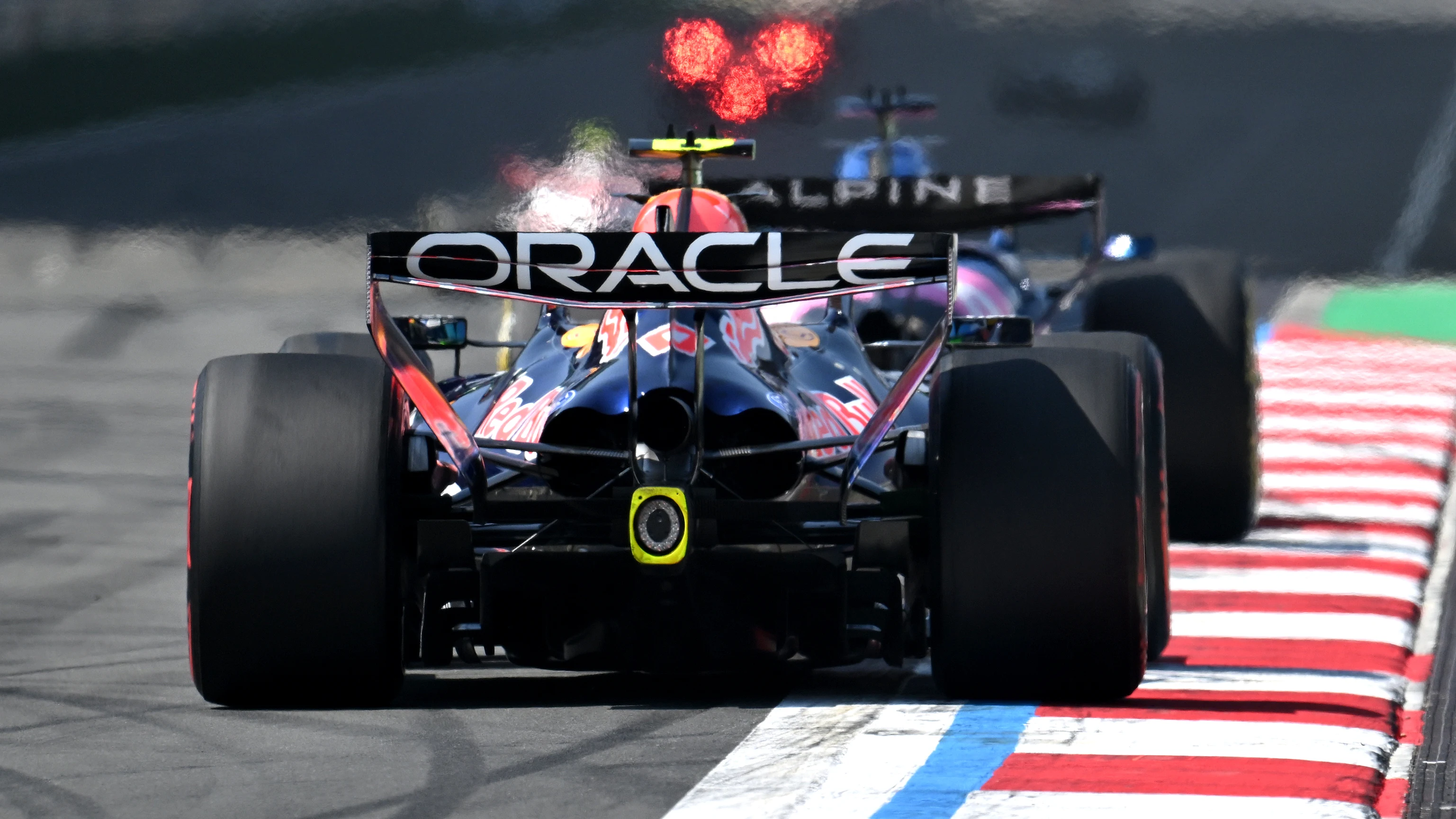
Formula 1 drivers have been getting familiar with Active Aero so far this season, a system that allows greater speeds on straights and more grip in the corners. But it will be off limits to them at the Monaco Grand Prix – and locked in maximum downforce cornering mode – for safety reasons, as F1.com explains…
What is Active Aero?
As a quick recap, for the first time in the sport’s history, F1 has full-time active aerodynamics in 2026, meaning the cars dynamically adjust the angle of both their front and rear wings depending on where they are on any given circuit.
This is where Straight Mode and Corner Mode – phrases you would have heard during television coverage and read about in F1.com features – come into play.
On the straights, the flaps move to their ‘open’ position and engage a low-drag mode, flattening the wings to reduce drag and increase top speed, while in the corners, the flaps sit in their default ‘closed’ position to maintain downforce and help provide grip.
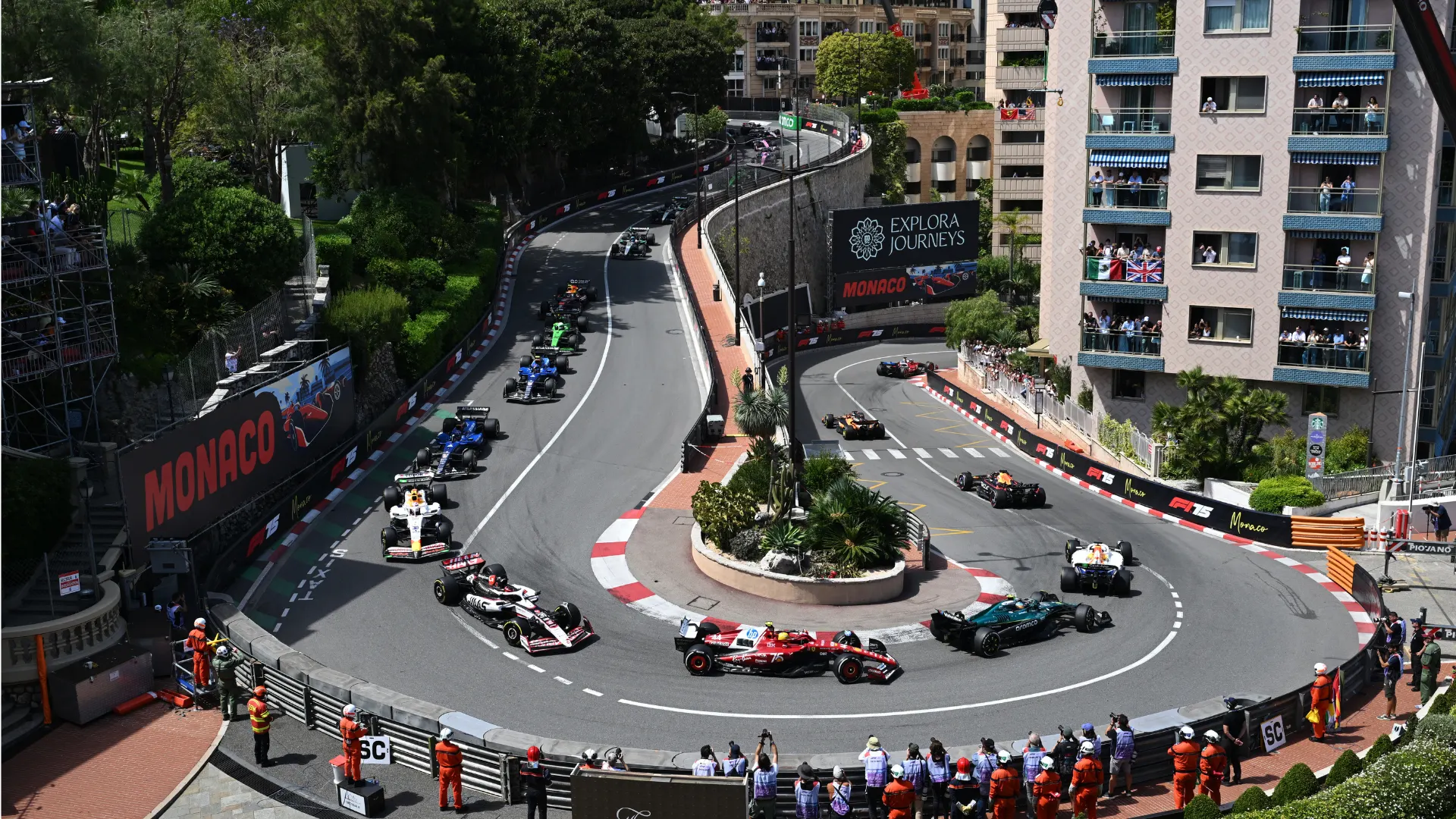
Taking the last event in Canada as an example, there were four designated Straight Mode zones, beginning with a run along the start/finish straight, then between Turns 7 and 8, between Turns 9 and 10, and finally between Turns 11 and 13.
Why won’t it be used in Monaco?
In short, cars will effectively be locked in Corner Mode for the entire Monte Carlo weekend.
F1’s governing body, the FIA, have made this decision with safety in mind, given that the street track features few straights and is otherwise made up of tight, twisty sections.
Several factors are considered when the FIA sets these zones, including a minimum zone duration, tyre grip margins and speed control into critical corners.
In terms of minimum durations, each zone must last more than three seconds, thus avoiding extremely short activations that would add to driver workload and deliver little benefit in performance or fuel efficiency.
Tyre grip margins, meanwhile, ensure that zones remain safe in all conditions throughout a race weekend, from low-fuel Qualifying runs to the end of a race stint on worn rubber, while allowing for safe overtaking and wheel-to-wheel racing.
As for speed control, in a small number of cases this season, zones have been shortened or excluded to prevent excessive speeds into the following corner.
What about Overtake Mode?
While Active Aero takes a race off, Overtake Mode remains in place.
As a reminder, Overtake Mode has replaced DRS (the Drag Reduction System) as a new power mode that allows a driver to recharge more electrical energy, and generate an additional electrical power profile, so they can sustain a higher speed for a longer period.
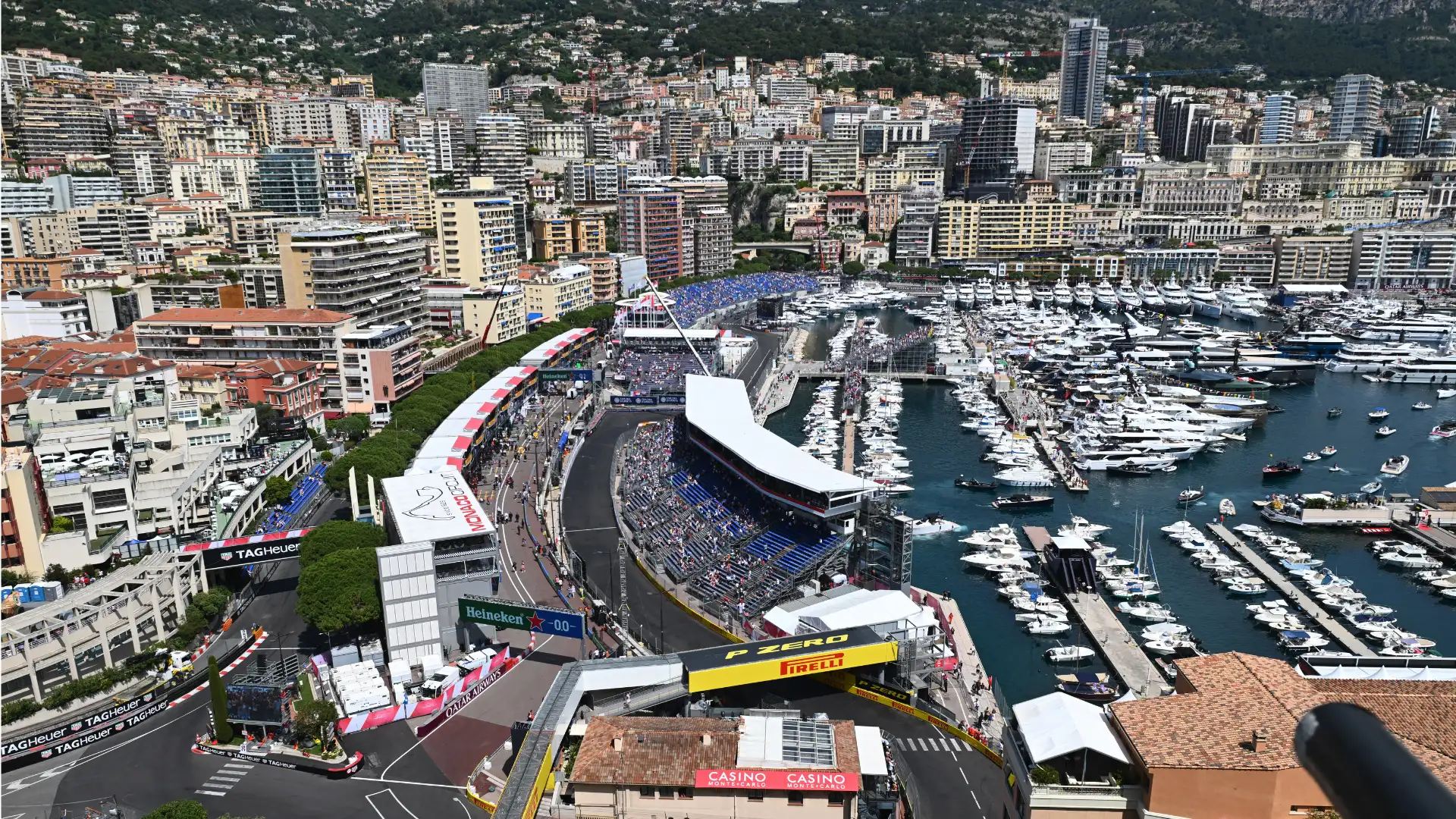
There is one detection point per lap for this mode – expected to be out of the final corner on many occasions, leading onto a long straight – and it will be available to drivers on the following lap as long as they stay within a second of the car in front at that detection point.
In Monaco, the Overtake Detection line comes between Turns 16 and 17, while the Overtake Activation line follows between Turns 18 and 19, leading onto the start/finish straight – as mentioned above, one of few straights around the lap.
A slight tweak in this area will see the introduction of a ‘Rev 1’ engine map, which limits power from the MGU-K (Motor Generator Unit – Kinetic) earlier than normal.
While the electric motor usually delivers the maximum 350kW boost until cars hit 290 km/h, the Rev 1 map will force MGU-K deployment to start reducing in power from the 200 km/h mark, again with safety in mind.
Head to our dedicated 2026 regulations hub for more information on this year’s cars and power units.
Next Up
Related Articles
 BettingThe 5 drivers most likely to win the Bahrain GP
 BARRETTO: Why Ferrari have moved to shield Vasseur
 Mercedes reveal special livery for Bahrain GP in Malaysia
 Why Alonso has re-signed with Aston Martin
 Aston Martin keep Alonso and Stroll for 2027
 What time is the 2026 Bahrain GP and how can I watch it?