From a Qualifying dead heat to the lowest-ever finish – 12 of F1's weirdest and most amazing records
F1.com takes a closer look at some of the most incredible – and unusual – records from across the sport's history.
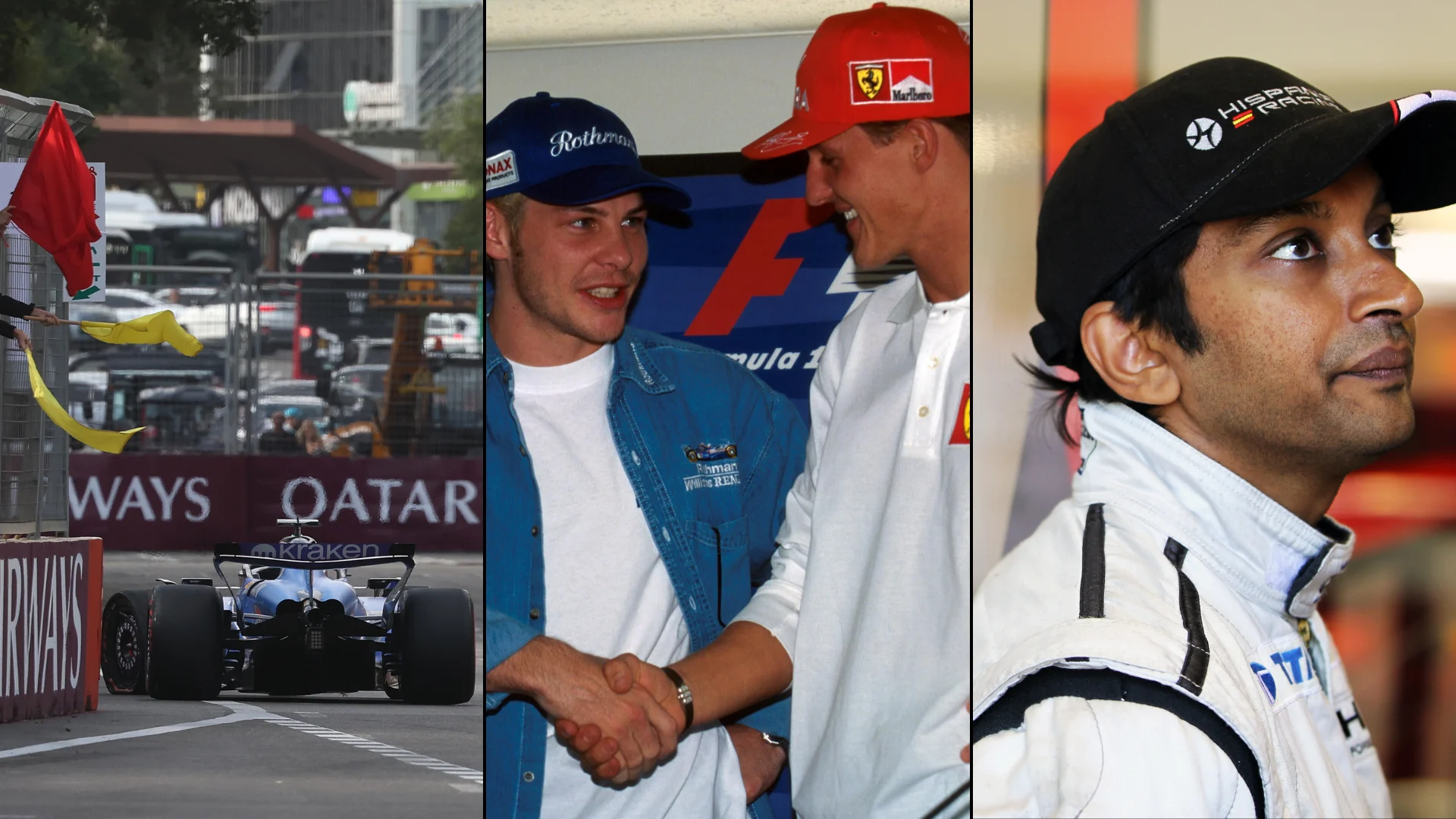
Across its more than 75-year history, Formula 1 has witnessed all kinds of record-breaking moments, from the spectacular to the strange.
Whether it was the father and son who each finished their last race for the same team in an identical position, or the driver who recorded a DNQ, DNF and DSQ all in one race, there are plenty of incredible statistics in the history books.
Join us as we take a closer look at 12 of the weirdest and most amazing records that the sport has witnessed over the years…
Most drivers to set equal pole position time in Qualifying – 3
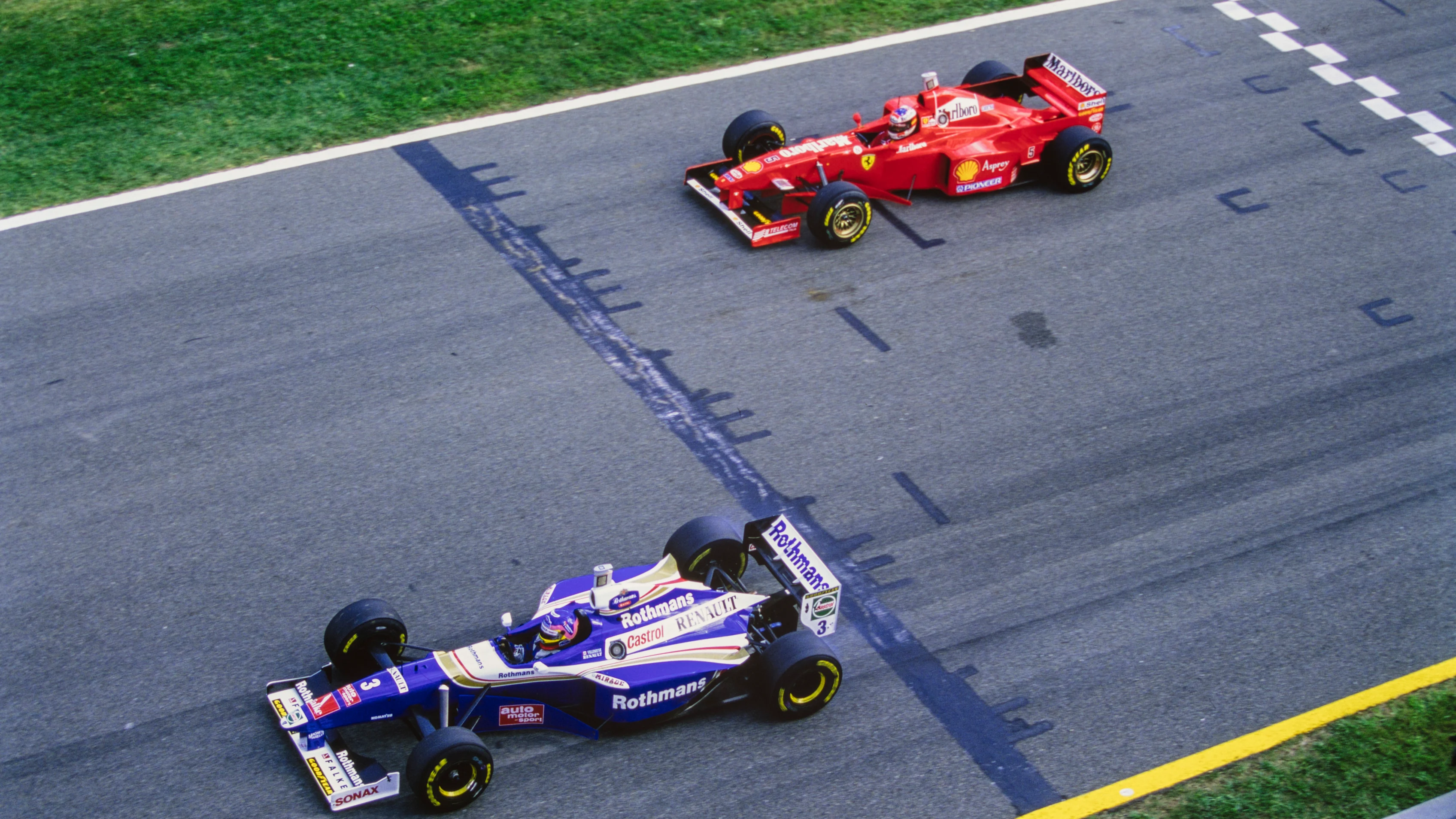
The 1997 European Grand Prix is perhaps remembered by many for being the scene of a controversial collision between title rivals Jacques Villeneuve and Michael Schumacher – but the weekend also witnessed a very unique moment in F1 history.
During Qualifying, Villeneuve set a fastest time of 1m 21.072s in the Williams. As the session progressed, Schumacher also pumped in an identical time at the wheel of the Ferrari – before, incredibly, the other Williams of Heinz-Harald Frentzen also posted the exact same time.
Given this rare dead heat, it was ultimately Villeneuve who was awarded pole based on the fact that he had recorded his lap first.
While a three-way tie has not been witnessed since, George Russell and Max Verstappen set identical pole-worthy times in Qualifying for the 2024 Canadian Grand Prix. Again, with Russell having posted the lap first, it was the Mercedes man who claimed P1 on the grid – though Verstappen would go on to take victory come race day.
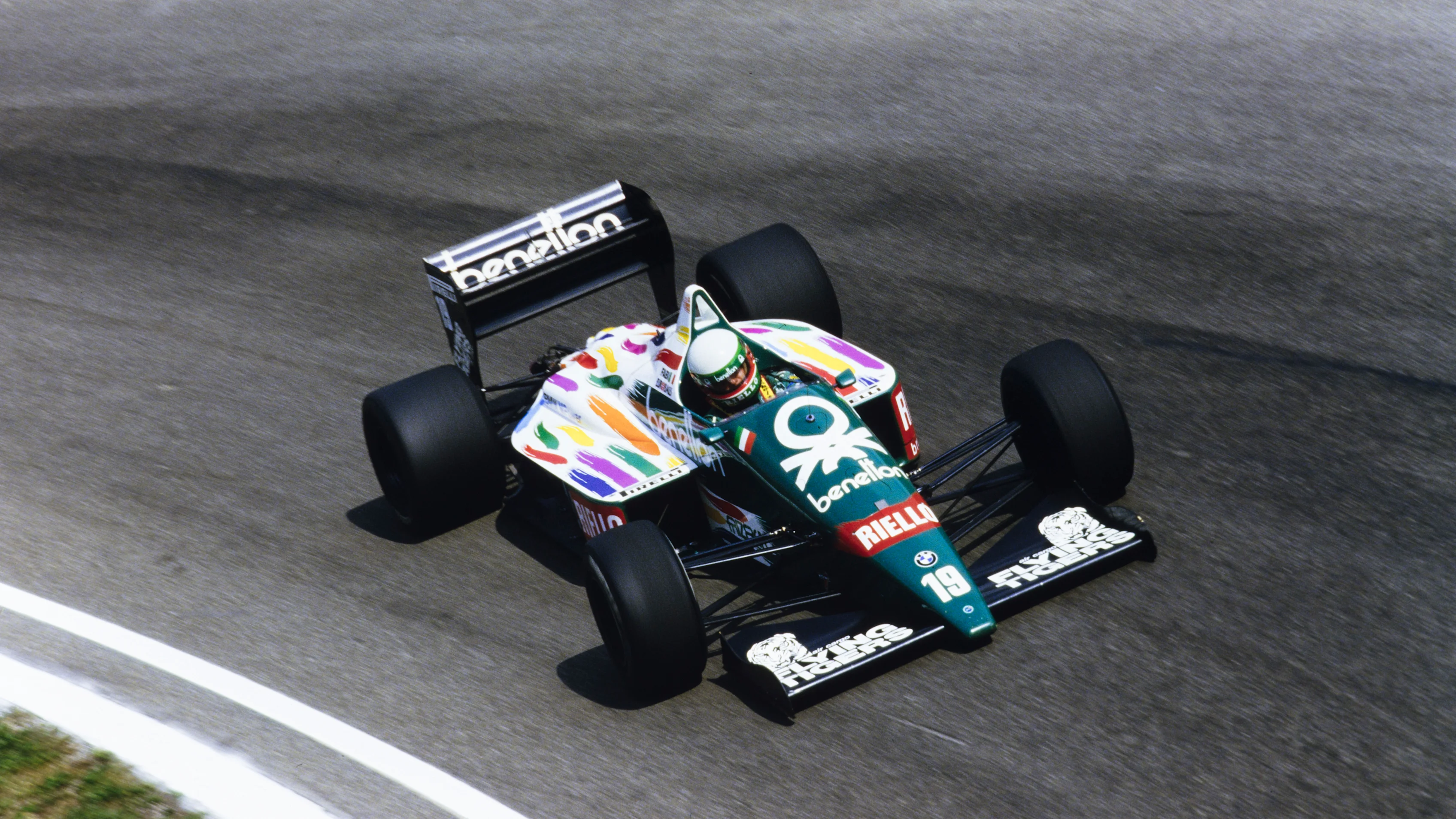
Most pole positions without ever leading a lap – Teo Fabi
All of the drivers mentioned above have enjoyed pole positions and victories in Formula 1 – but one name has found an unusual place in history as the only pilot to start from P1 on the grid without ever leading a lap.
During his 64-race career, Teo Fabi secured pole position on three occasions, the first being at the Nurburgring in 1985 whilst driving for Toleman. Two more followed in Austria and Italy during the following season, by which point the squad was running under the guise of Benetton.
Unfortunately for the Italian driver, he never managed to retain P1 by the end of the first tour. While Fabi did take the lead from team mate Gerhard Berger on Lap 17 of the Austrian Grand Prix, his engine failed before he could cross the start/finish line, meaning that he had not officially led the lap.
Despite his bad luck when starting from pole, Fabi still recorded two podium finishes during his stint in F1, as well as finishing in the points a total of nine times.
Largest winning margin – 5m 12.750s
In the modern era of F1, a winning margin where the seconds go into double figures is usually seen as a sizeable gap – take for example Lando Norris’ lead of 30.324s over Charles Leclerc when the 2025 World Champion won last year’s Mexico City Grand Prix.
However, in the early days of the sport, the deficit back to the driver in second place could be much vaster, as was the case at the 1958 Portuguese Grand Prix where the largest winning margin in history was recorded.
When the Vanwall of Stirling Moss crossed the line at Porto to claim a ninth career victory, the Briton did so by a whopping 5m 12.750s clear of closest rival Mike Hawthorn in the Ferrari.
In contrast, the smallest winning margin stood at just 0.010s as BRM’s Peter Gethin grabbed the tightest of wins from March’s Ronnie Peterson for what would prove to be the former’s sole triumph in Formula 1 at the 1971 Italian Grand Prix.
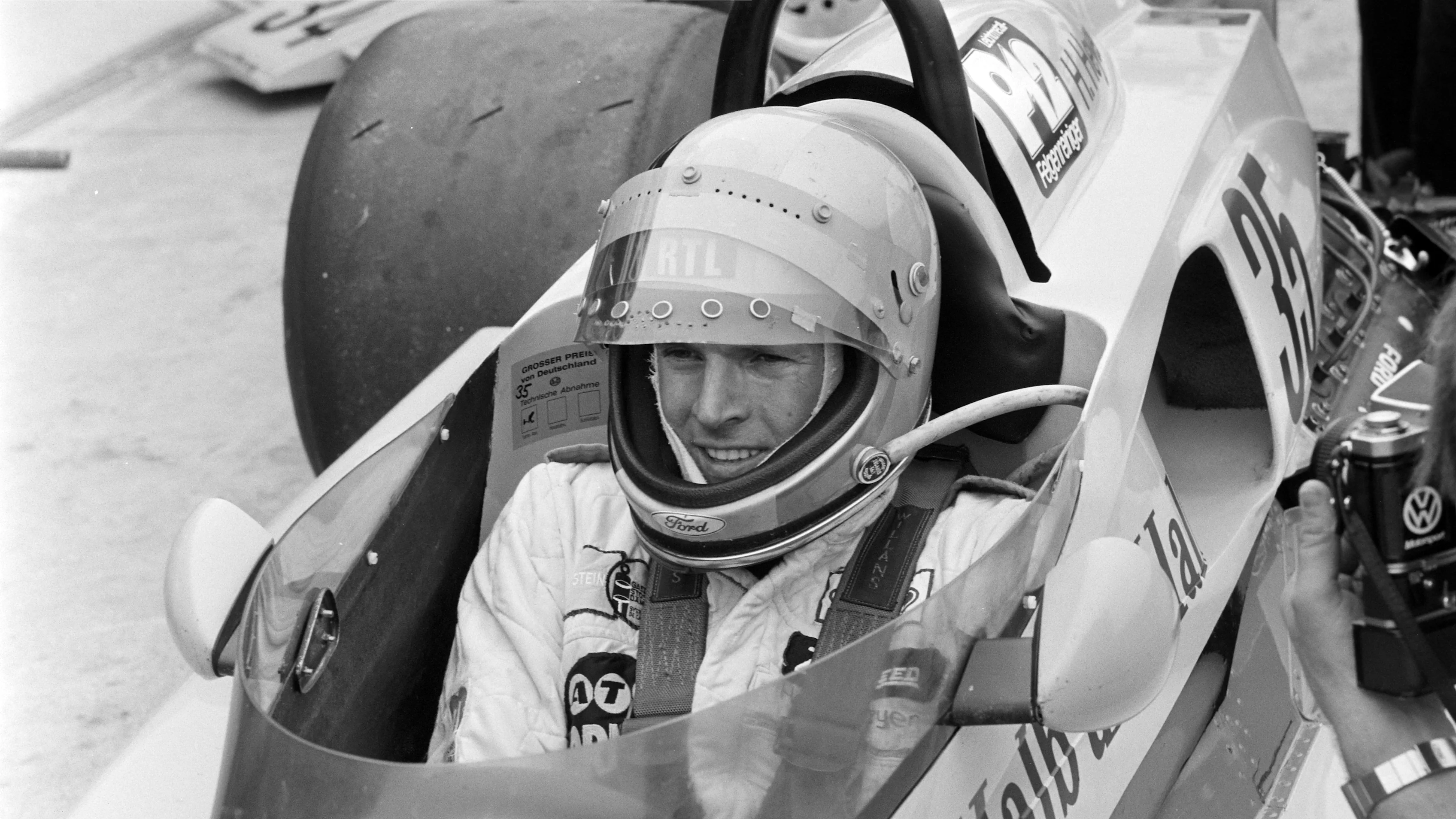
Only driver to record a DNQ, DNF and DSQ at a race – Hans Heyer
When it comes to unique records in F1, Hans Heyer holds perhaps one of the most unusual, with the German’s sole appearance in the sport seeing him rack up an unwanted hat-trick featuring a DNQ, DNF and DSQ.
During his maiden outing ahead of the 1977 German Grand Prix, Heyer – at the wheel of a Penske – failed to qualify for the race at Hockenheim.
However, this did not seem to deter him and Heyer joined the pack anyway, completing nine laps before retiring due to gearbox issues.
Having subsequently been disqualified for his ‘illegal’ participation in the race, Heyer’s one-off outing in Formula 1 has carved out a somewhat bizarre place in the history books.
Trio most often on the podium together – Valtteri Bottas, Lewis Hamilton, Max Verstappen
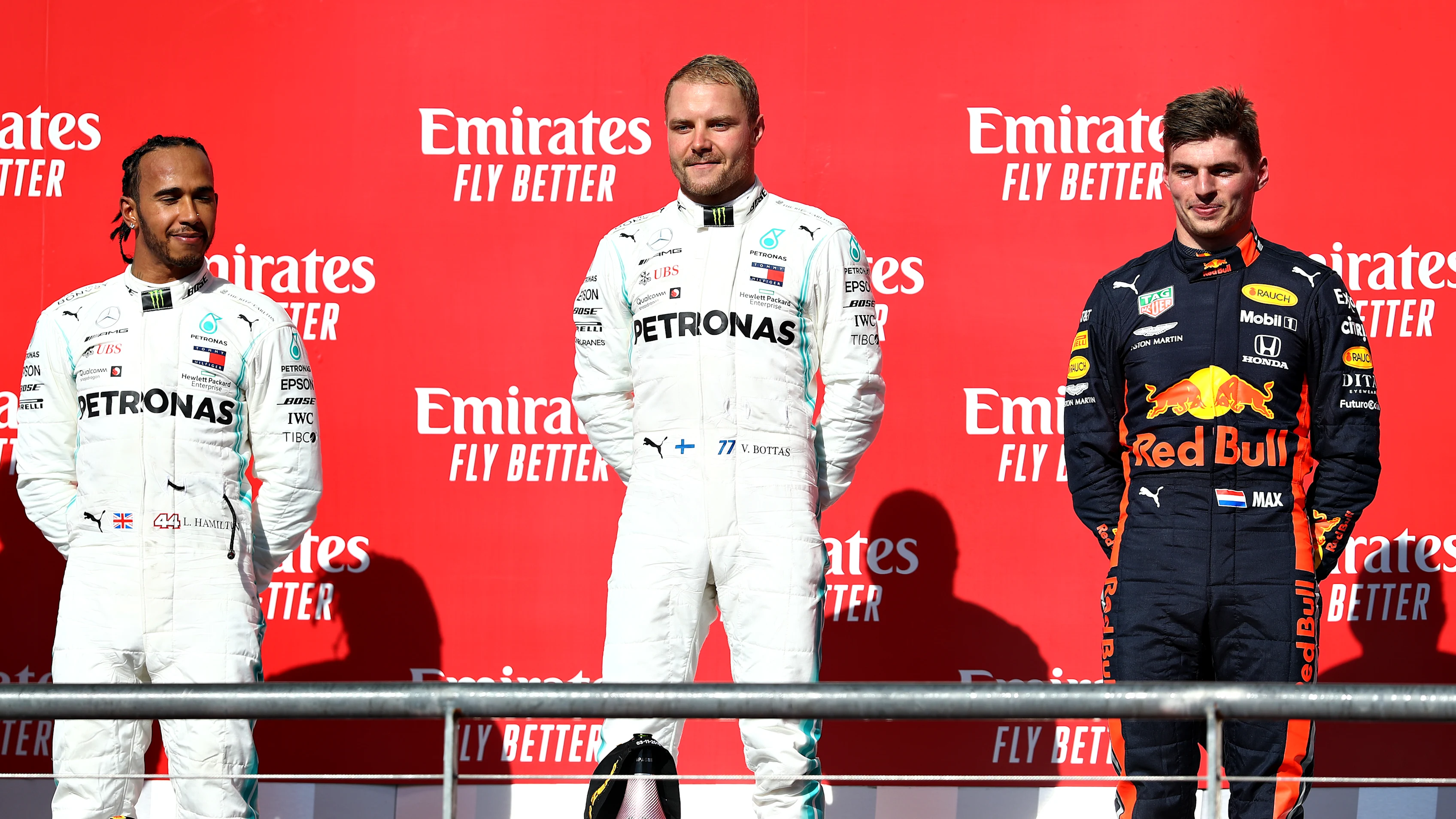
While plenty of the sport’s greatest rivals shared many a podium together, there are three names that have stood on the rostrum alongside each other more than any other combination.
That honour goes to Valtteri Bottas, Lewis Hamilton and Max Verstappen, who have completed the top three – in a variety of orders – on 20 occasions. These all took place between 2018 and 2021, with Bottas and Hamilton being Mercedes team mates at the time.
Admittedly the chances of that line-up adding to their tally of shared podiums seem relatively low at the moment, given that Bottas currently finds himself near the lower end of the pack as the debutant Cadillac team find their feet in the sport.
Hamilton and Verstappen, meanwhile, share the highest number of podiums as a duo at 60 appearances together. However, the third-most decorated World Champion currently on the grid – Fernando Alonso – has only stood on the rostrum with this pair three times.
Identical finish for father and son in final race for same team – Graham and Damon Hill
While a number of father and son duos have competed in Formula 1 over the years, only two pairings have both become World Champions – that being Graham and Damon Hill, and Keke and Nico Rosberg.
The former duo raced in the sport during very different eras, with Graham Hill tragically losing his life in a plane crash several years before son Damon would start his own F1 journey.
But there were some interesting parallels between the two, including the fact that both had a stint with the Brabham team in their respective careers.
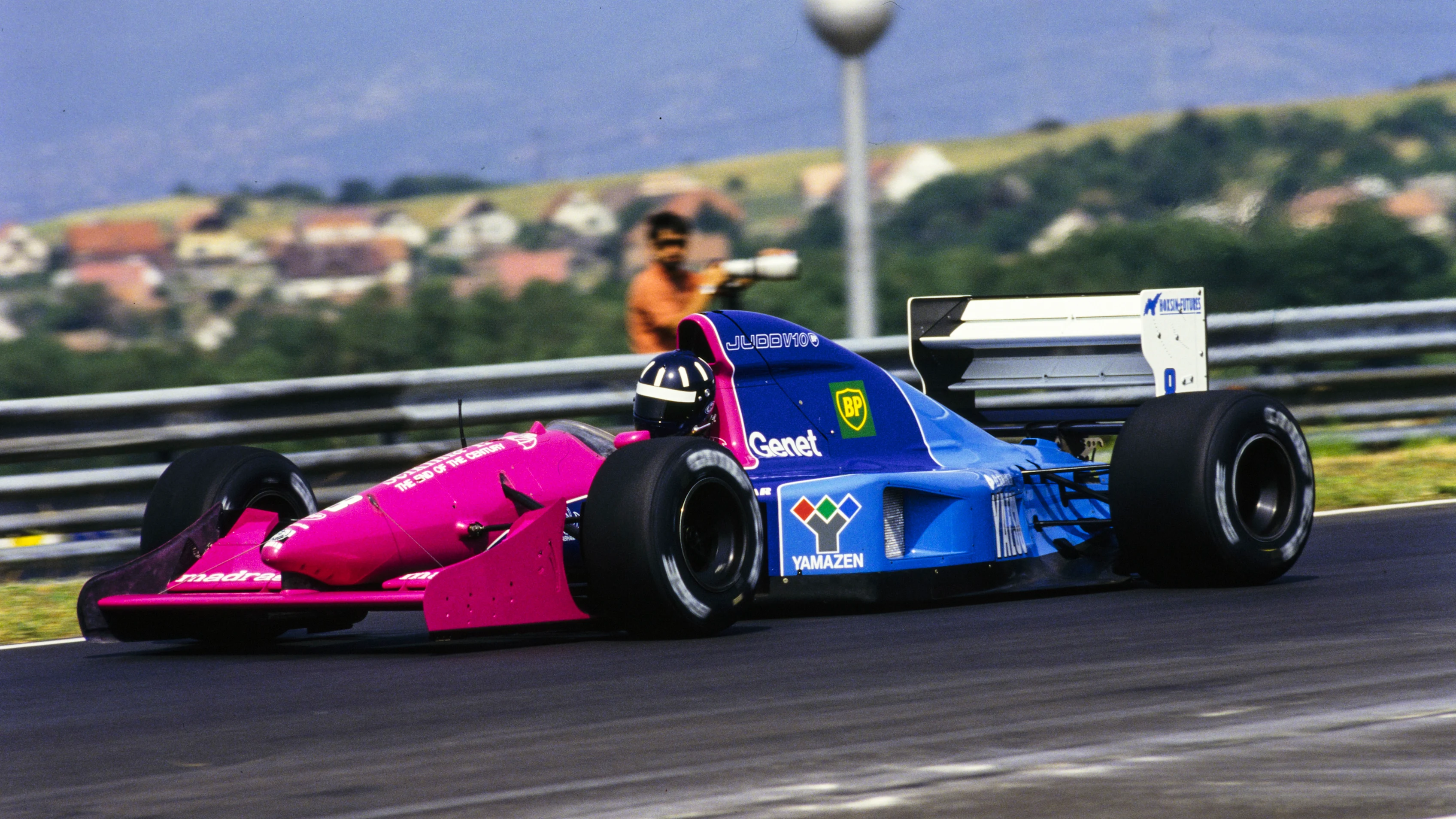
On his second and final appearance for the squad at the 1992 Hungarian Grand Prix, Damon sported the same helmet design as his father as he ended the race in 11th place – the exact same position that Graham had finished in during his own last race for Brabham 20 years earlier at Watkins Glen.
Only driver to finish 24th in a race – Narain Karthikeyan
The F1 grid has grown from 20 drivers to 22 for the 2026 season following the arrival of Cadillac – but that figure will not allow for the record number of race finishers to be beaten this year.
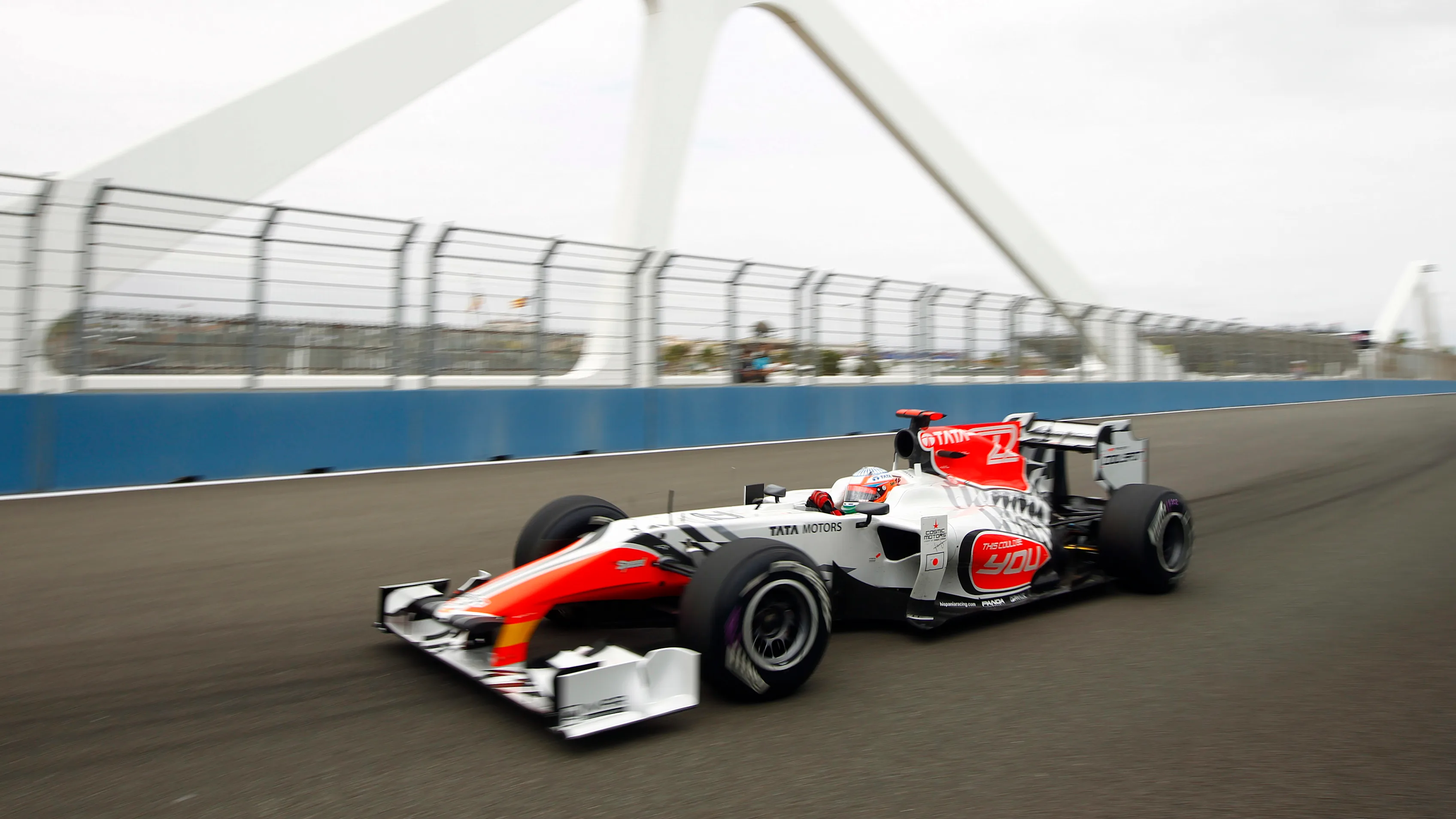
History was made when all of the 24 cars that started the 2011 European Grand Prix at the Valencia Street Circuit went on to see the chequered flag, a race that was won by that year’s World Champion Sebastian Vettel.
At the bottom of the classification was Narain Karthikeyan, with the Indian driver’s P24 result for the HRT team remaining the lowest Grand Prix finish in F1 history.
Aside from an appearance at his home race, Karthikeyan was replaced for the remainder of the season by Daniel Ricciardo but would go on to rejoin HRT for his final Formula 1 campaign in 2012.
Longest race time – 4 hours, 4 minutes and 39 seconds
Another historic moment occurred during that 2011 season just one round earlier at a very chaotic Canadian Grand Prix, an event that topped F1.com’s recent countdown of the sport’s 25 greatest races.
Few will forget what would turn out to be an extraordinary afternoon at the Circuit Gilles-Villeneuve, with torrential rain resulting in numerous incidents, a record six Safety Car appearances and a stoppage that saw the race paused for over two hours.
Jenson Button – who had experienced everything from colliding with his team mate to picking up a penalty and running in last place during the lengthy encounter – ultimately came through to claim a stunning victory for McLaren.
And when the chequered flag fell, the race’s total running time – thanks to that earlier pause – stood at a whopping four hours, four minutes and 39 seconds, making it the longest race in Formula 1 history.
Oldest average age on the podium vs youngest average age – 46 years vs 23 years
While a host of young drivers have joined the sport in recent times – with Max Verstappen holding the record as the youngest to start a Grand Prix, having made his debut at 17 years old in 2015 – the picture looked very different back in F1’s early days.
At the Swiss Grand Prix during Formula 1’s inaugural 1950 season, the podium consisted of Nino Farina, Luigi Fagioli and Louis Rosier – and with an average age of 46 years, eight months and 20 days, this remains as the oldest rostrum in the history books.
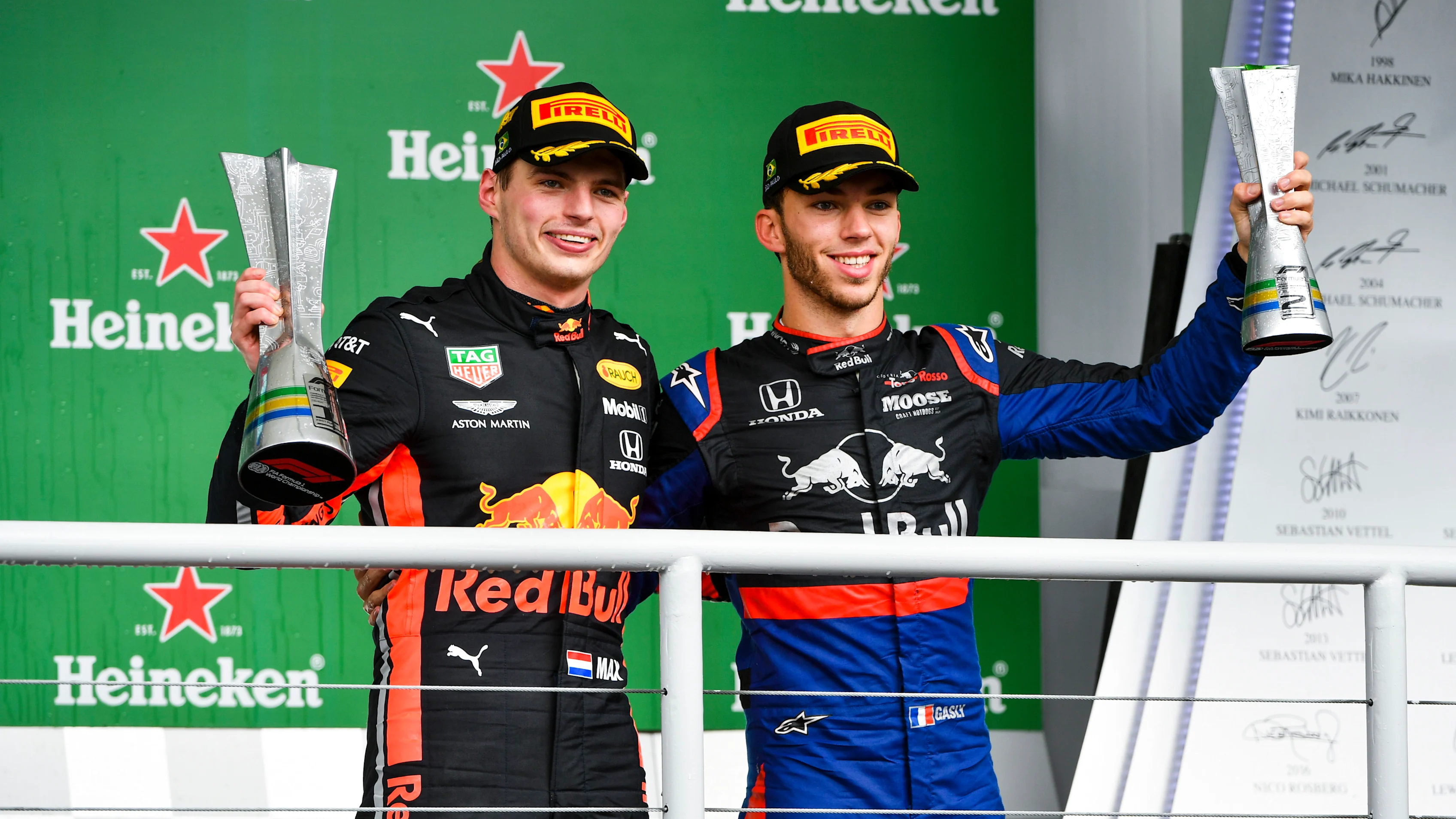
In contrast, the average age on F1’s youngest podium is nearly half that. This took place at the 2019 Brazilian Grand Prix, where Verstappen won ahead of Pierre Gasly and Carlos Sainz – making the average age 23 years, eight months and 13 days. A footnote here, however, is that Sainz did not originally appear on the rostrum, with his P3 result coming later after a post-race penalty for Lewis Hamilton promoted the Spaniard.
With the arrival of more youngsters of late – including Kimi Antonelli and Arvid Lindblad – it remains to be seen if the statistic for the most youthful podium will be bettered in the near future.
Most red flags during Qualifying – 6
As mentioned above, the 2011 Canadian Grand Prix featured a record number of Safety Cars – but when it comes to the most stoppages during Qualifying, that record occurred more recently during F1’s visit to Azerbaijan in 2025.
A frenetic session began with three red flags in Q1 alone, following crashes for Alex Albon, Nico Hulkenberg and Franco Colapinto.
Another incident for Ollie Bearman in Q2 triggered a fourth pause, before two more occurred during Q3 owing to Charles Leclerc and Oscar Piastri each hitting the wall. This brought the total of red flags to six, a record for a Qualifying session.
Incidentally, the delays resulted in Qualifying taking one hour and 58 minutes to complete, making it longer than the entire Grand Prix had been one year earlier.
Most races without scoring a point – Luca Badoer
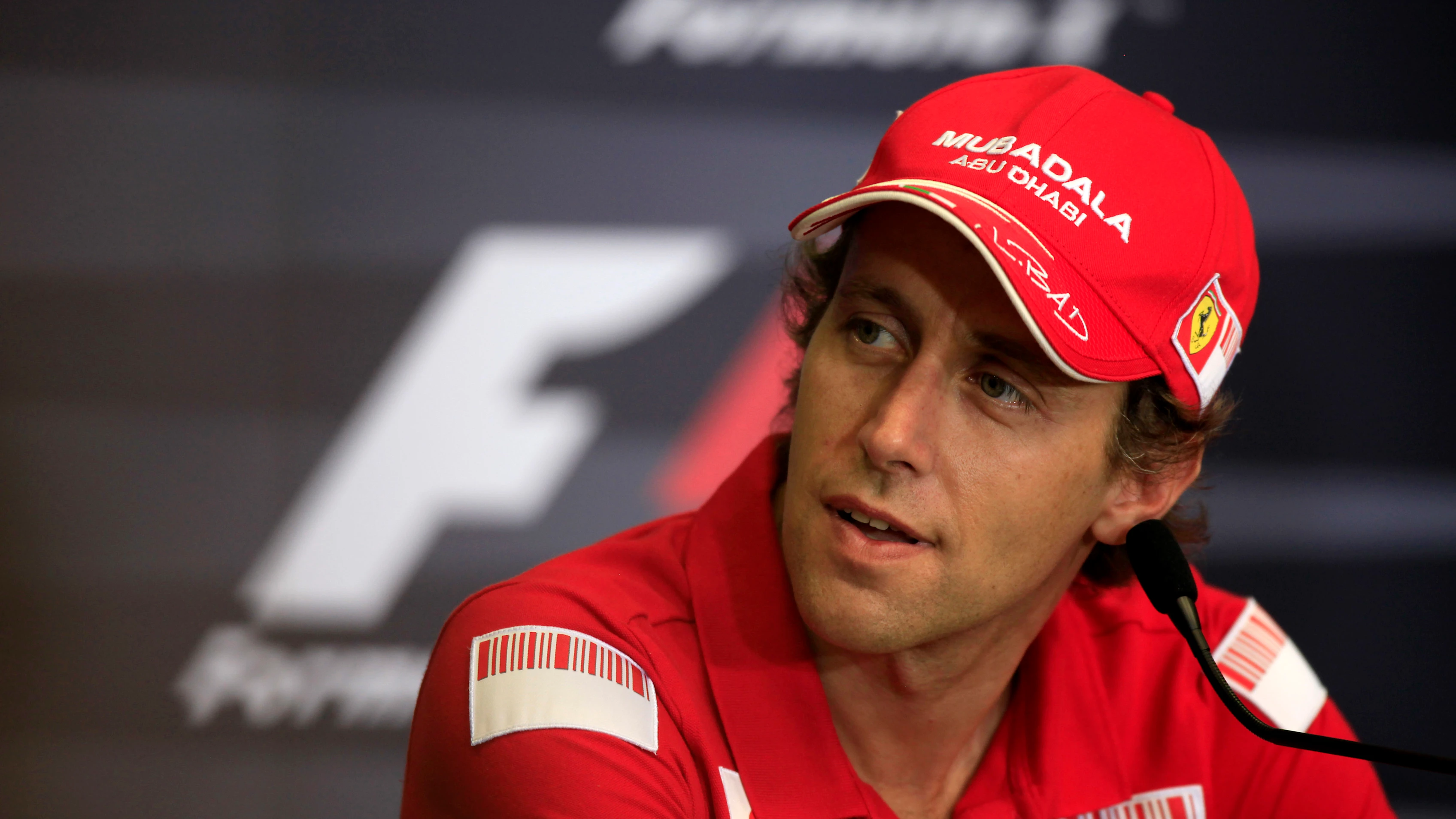
There are certain statistics that a driver would hope to avoid during their career – but unfortunately Luca Badoer is one of those to carry the unfortunate record of the most race starts without claiming a point.
The Italian made his debut for the Lola team in 1993, before going on to race for the likes of Forti and Minardi in the years that followed. His best finish was a P7 in his maiden season at Imola – and while that would earn points these days, the system then in place only awarded the top six.
Badoer experienced a long stint off the grid after the 1999 campaign, with his focus switching to a full-time test driver role at Ferrari. He later made a brief two-race return in 2009 to stand in for the injured Felipe Massa, before subsequently being replaced by Giancarlo Fisichella off the back of two difficult outings.
Having stepped down from his position with the Scuderia in 2010, Badoer ended his time in F1 with 51 starts but no points to his name.
Top two championship contenders never sharing a podium – 1997
We have already visited an unusual record from the 1997 season, where three drivers set an equal pole-worthy lap time – and now we conclude with another strange statistic from that year.
The 1997 campaign is perhaps best remembered for the World Championship battle that played out between Ferrari’s Michael Schumacher and Williams’ Jacques Villeneuve, a duel that ended in controversial style when Schumacher was disqualified from the standings following a collision with Villeneuve at the final in Jerez.
However, an intriguing fact from that season is that Schumacher and Villeneuve never actually stood on the podium together across a 17-round campaign, despite the former claiming five wins and the latter taking seven.
There has been only one other instance of the championship’s lead two protagonists not featuring on a rostrum together, which occurred back in 1950 when Nino Farina headed Juan Manuel Fangio in a season that saw them contest six races.
Next Up
Related Articles
 UnlockedMatch the grid for your chance to win the ultimate F1 experience
 UnlockedTop 10 most memorable F1 moments at Sepang
 What tyres will the teams have for the Bahrain Grand Prix?
 Facts, stats and trivia ahead of the 2026 Bahrain GP
 Why a return to Sepang is a 'golden ticket' for F1 drivers
 UnlockedPALMER: Why George Russell’s Baku win was so impressive