From Salo to Bearman – 10 memorable F1 stand-in performances
Liam Lawson is back in a Red Bull this weekend, while Yuki Tsunoda takes his place at Racing Bulls. But will they shine like some of these F1 super-sub drivers?
Liam Lawson will have an unexpected second chance at Red Bull Racing for this weekend’s Dutch Grand Prix at Zandvoort, when he fills in for the injured Isack Hadjar, while Yuki Tsunoda will get another crack at Formula 1 in familiar surroundings at Racing Bulls.
It comes three years after Lawson himself debuted at Zandvoort, in place of the injured Daniel Ricciardo – and marks a return to a Red Bull seat after his short-lived stint in 2025. And for Tsunoda, it’s also a chance to shine like some of these super-sub drivers have done in the past…
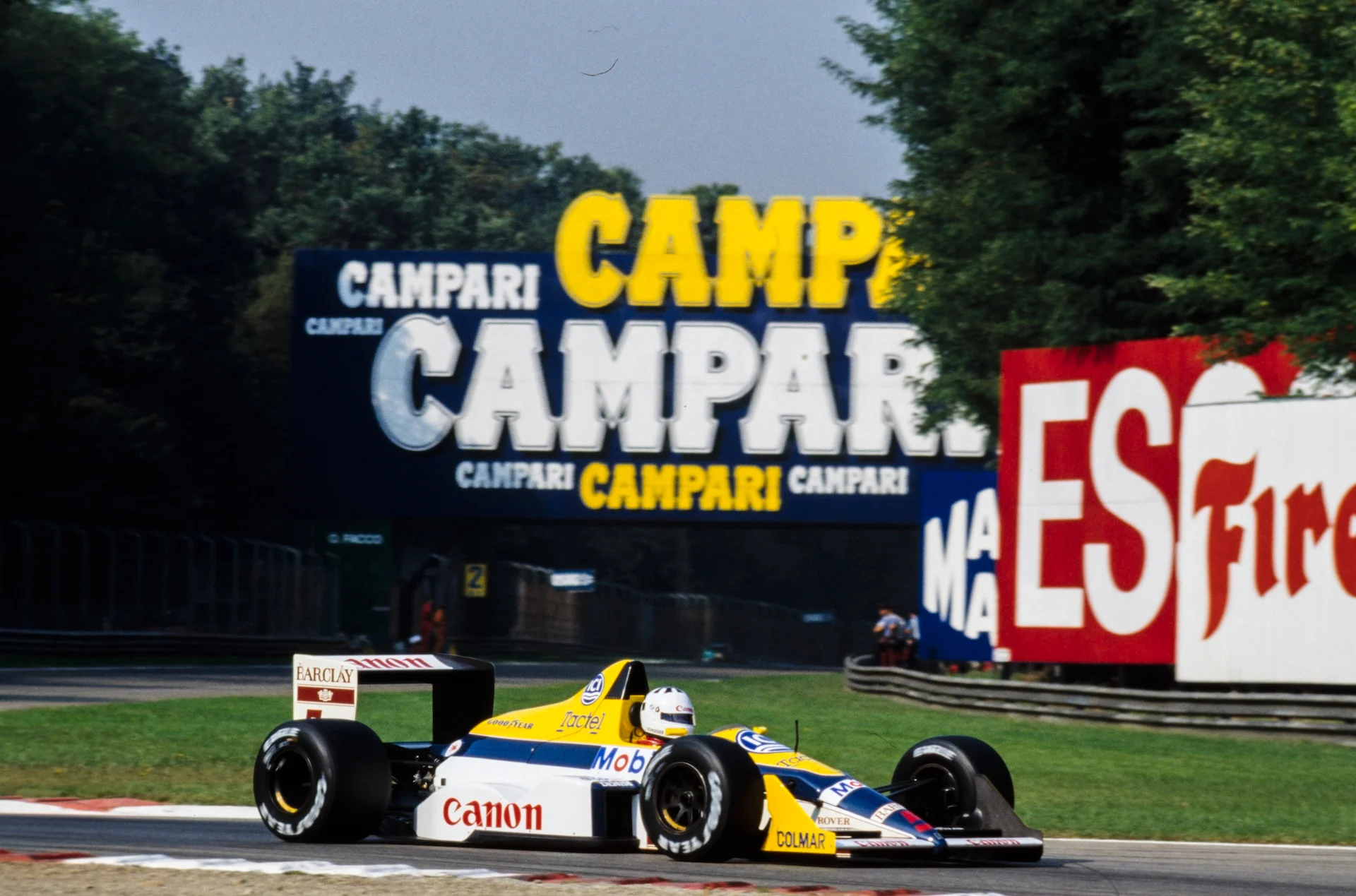
Jean-Louis Schlesser – Williams, 1988
Williams was uncompetitive in 1988 with its unloved and unreliable Judd engine, and lead driver Nigel Mansell had already signed for Ferrari for 1989 by the time he contracted chickenpox and was sidelined for a pair of Grands Prix.
Martin Brundle filled the void in Belgium, while 39-year-old long-time tester and sportscar ace Jean Louis-Schlesser was called up in Italy. Schlesser had only attempted to qualify for one Grand Prix before, in France in 1983, but he failed to make the grid with the unfancied RAM team.
But Schlesser went down in history in the closing stages of the race at Monza after a clash with race leader Ayrton Senna when the McLaren driver tried to put a lap on him.
With Alain Prost already out, it ruined McLaren’s hopes of a clean sweep of wins in 1988, and handed an emotional 1-2 home victory to Ferrari, just weeks after the death of company founder Enzo Ferrari.
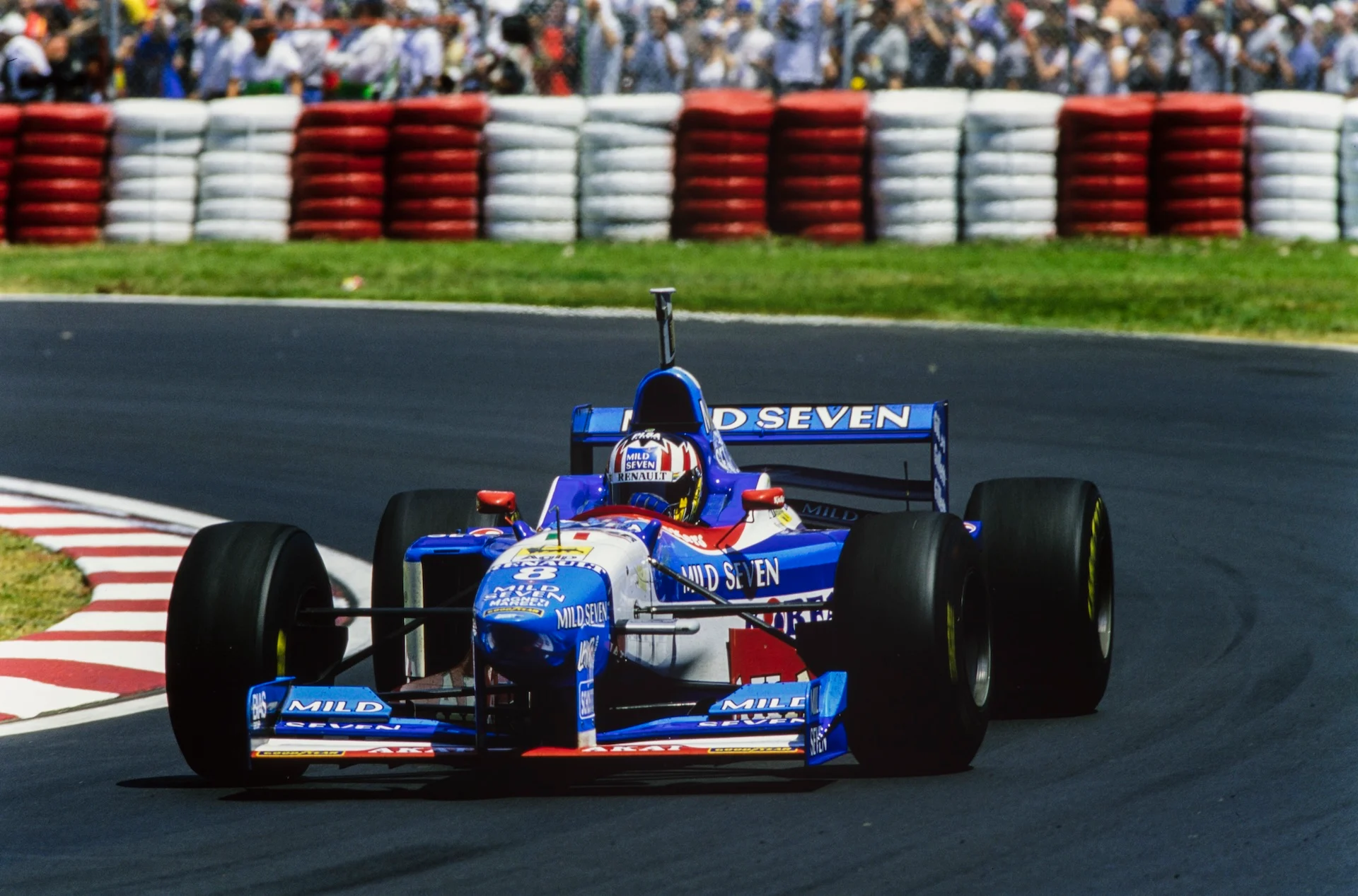
Alex Wurz – Benetton, 1997
Alex Wurz had an unusual path to Formula 1, from BMX racing via a Le Mans triumph that guaranteed him a test for Benetton when Flavio Briatore made good on a promise.
Wurz landed a spot on Benetton’s test team for 1997 and was called up in Canada when Gerhard Berger was sidelined through a sinus issue. Wurz ran competitively at Montreal, and went on to take his maiden podium courtesy of third position on his third and final outing in Britain.
Wurz went on to spend three years racing for Benetton, prior to a long stint as a McLaren test driver, which yielded a second stand-in encounter in 2005.
The Austrian got the nod to replace the injured Juan Pablo Montoya at Imola, after counterpart Pedro de la Rosa had a run in Bahrain, and finished fourth, which became third post-race when Jenson Button was excluded.
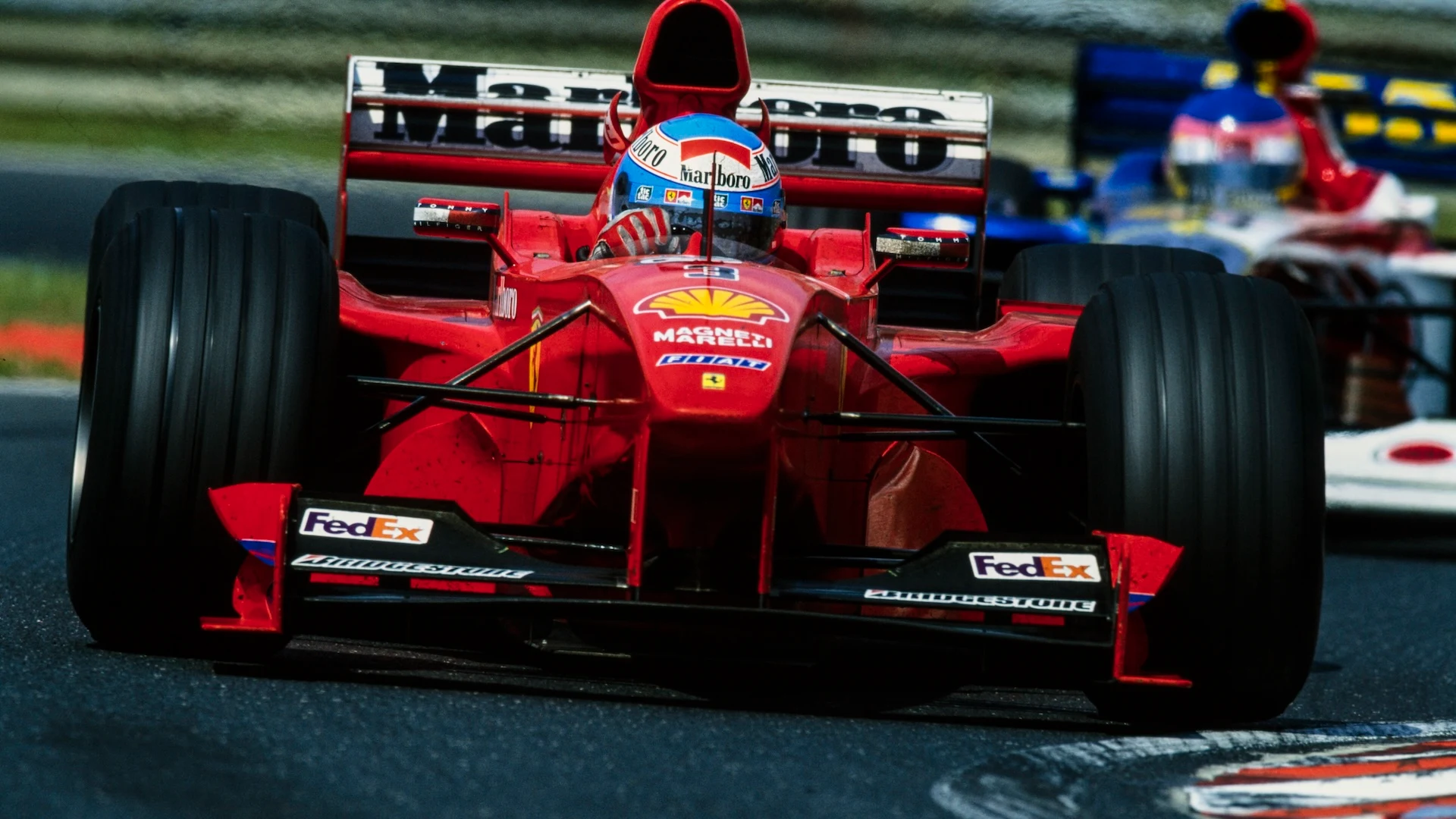
Mika Salo – Ferrari, 1999
Salo’s Formula 1 journey had taken him on an odyssey through the lower midfield, with stints at Lotus, Tyrrell and Arrows, but he was without a drive for 1999.
He had a three-race stand-in spell at upstarts BAR, in place of the injured Ricardo Zonta, but later in the season Michael Schumacher sustained a fractured leg in Britain, and Ferrari drafted in Salo to join Eddie Irvine, who was effectively installed as the team’s spearhead.
Salo had a fairly anonymous start in Austria, but shone in Germany, out-qualifying Irvine through Hockenheim’s forest-lined full-throttle blasts. He led the race after problems for McLaren and would have won had he not dutifully pulled aside to allow Irvine through to claim a crucial victory for his championship charge.
Salo scored another podium on Ferrari’s home soil at Monza, before Schumacher returned for the final two rounds. Off the back of his super-sub stint at the Scuderia, Salo landed a Sauber seat for 2000, and spent 2002 at newbies Toyota before leaving Formula 1.
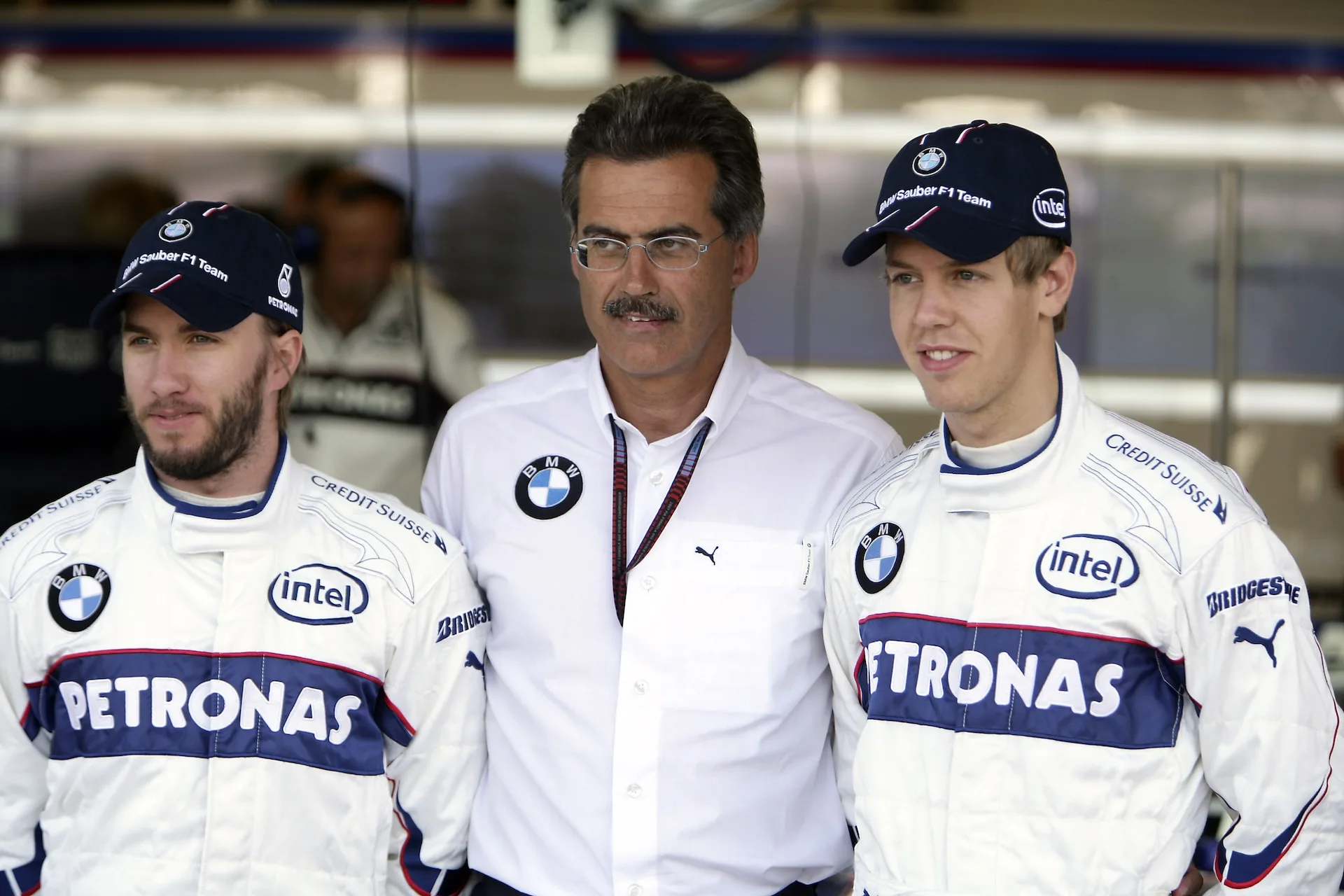
Sebastian Vettel – BMW-Sauber, 2007
Vettel was already making waves in Formula 1 circles through his junior single-seater results, and in mid-2006 was called up by BMW to become its test driver when Robert Kubica replaced the discarded Jacques Villeneuve in a race seat.
Kubica suffered a massive accident in Canada in 2007 and was fortunate to avoid serious injury, such was the severity of the impact, but was rested for the following weekend’s round at Indianapolis.
Vettel temporarily took his seat, and escaped a grassy excursion on the first lap to score points with an eighth place finish. Kubica returned for the next round in France, but Vettel had to wait only three more events for his full-time chance, as he replaced Scott Speed at Toro Rosso.
It was to be the start of a fruitful relationship with the Red Bull family that yielded four successive world titles across the early 2010s.
Luca Badoer – Ferrari, 2009
Felipe Massa’s awful head injury sustained in Hungary ruled him out of the remainder of the 2009 season, and Michael Schumacher was earmarked to make a surprise return to the Ferrari cockpit.
But Schumacher’s plans were thwarted by the neck injury he sustained in a motorcycle accident and instead Ferrari turned to their loyal and valued long-time tester Luca Badoer.
But it had been 10 years since Badoer’s most recent Grand Prix, which had capped a 56-event spell with minnow Italian marques Scuderia Italia, Forti and Minardi across a six-year span.
It was a brutal reality check. At his Valencia comeback Badoer was last in Qualifying, 1.5 seconds off the pace, and was last in the race. The next round in Belgium was only moderately better, and Ferrari brought in Giancarlo Fisichella for the remainder of the year.
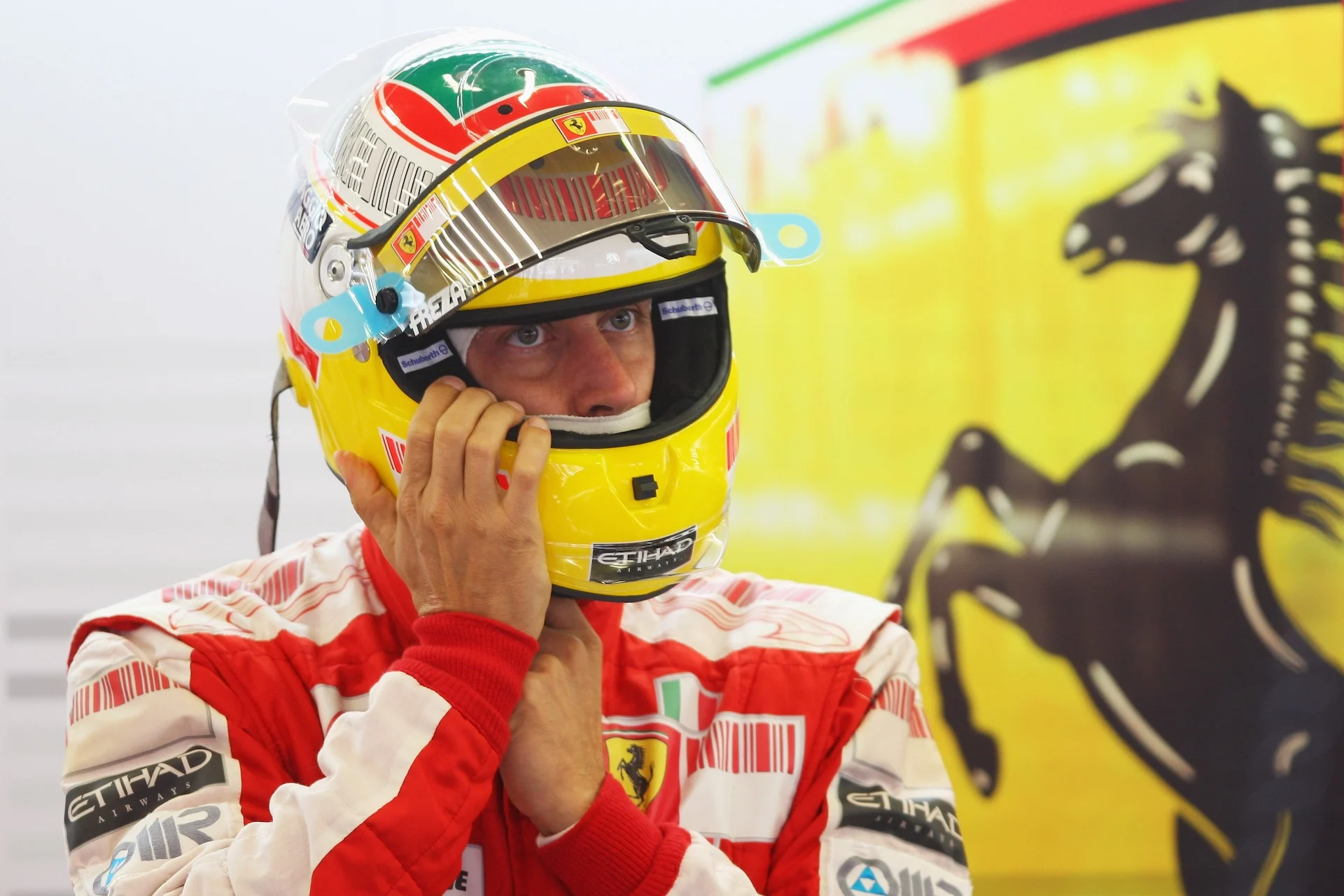
Kamui Kobayashi – Toyota, 2009
Kobayashi joined Toyota as test and reserve driver for 2008, alongside a race drive in the GP2 Series, but his form and results were unconvincing, and his prospects of securing a seat at the top table appeared slim.
The Japanese racer filled in for an ill Timo Glock during Friday’s running on home turf at Suzuka, but the German returned for Saturday’s action, where he crashed heavily in Qualifying. Glock was ruled out of the race but Kobayashi was not able to take his spot due to the regulations.
However, further checks detected a fractured vertebra for Glock and Kobayashi competed in the final two events in Brazil and Abu Dhabi. He immediately impressed, showing his aggressive style during some exciting on-track battles – most notably against Jenson Button at Interlagos – and went on to score points with sixth place in Abu Dhabi.
Toyota’s withdrawal for 2010 put the brakes on a likely full-time promotion, but he instead wound up at Sauber, who noted Kobayashi’s stand-in performances as a convincing factor in his recruitment.
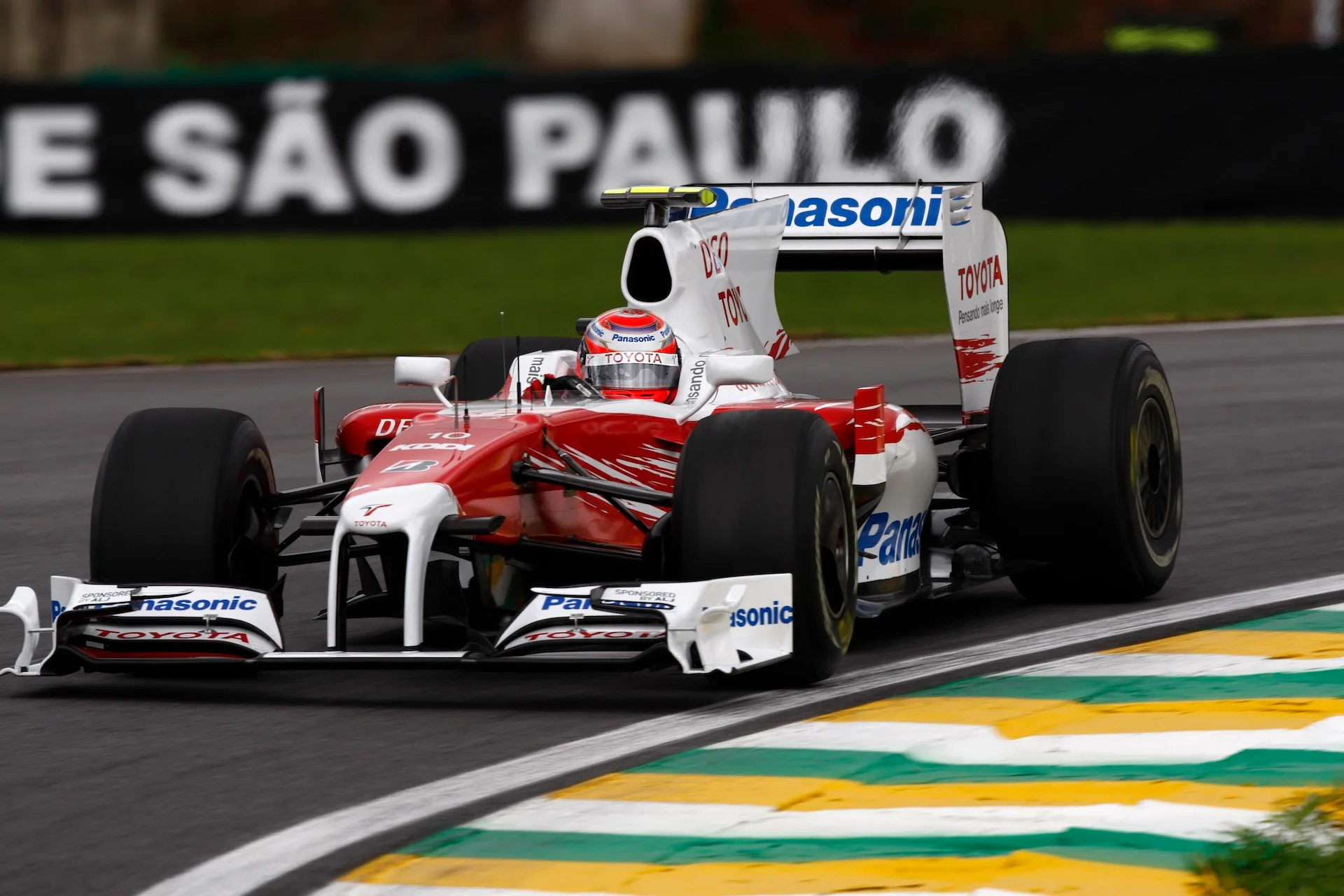
Stoffel Vandoorne – McLaren, 2016
Vandoorne had signalled his potential by dominating the GP2 Series in 2015, but with Fernando Alonso and Jenson Button signed up by his McLaren backers for 2016, the Belgian had to wait for his turn.
A season in Super Formula beckoned, and he was testing in Japan when it emerged that Alonso had not passed a pre-event medical check in Bahrain off the back of his enormous accident in Australia.
Vandoorne made the long journey to Sakhir and performed strongly, scoring a point on his debut, despite the limitations of McLaren’s machinery. A full-time seat beckoned for 2017, though his promotion coincided with another dismal year for the McLaren-Honda collaboration, and a poor second year meant Vandoorne found himself ousted after 2018.
He nevertheless remains connected to Formula 1 through an Aston Martin reserve role, having held the same position for Mercedes.
George Russell – Mercedes, 2020
Russell was already a full-time racer with Williams in 2020, his sophomore season, but the team’s financial struggles meant they languished at the back of the field.
Russell was supported by Mercedes but had to bide his time as the team remained committed to Valtteri Bottas, leaving no vacancy at the Silver Arrows. But Lewis Hamilton’s positive Covid-19 test in Bahrain prompted Mercedes to call up Russell for the Sakhir GP on Bahrain’s outer loop circuit.
Russell thrived and passed Bottas to control the Grand Prix, until a tyre mix-up in the pit lane and subsequent puncture derailed his prospects. Ironically, the tyre mishap only came about through a Safety Car period caused by Russell’s own stand-in at Williams, Jack Aitken.
Hamilton returned for Abu Dhabi’s finale but, despite the setbacks, Russell had underlined his front-running ability and Mercedes chose him over Bottas for 2022.
Nyck de Vries – Williams, 2022
De Vries was a long-term McLaren junior but his F1 chance never arose, and instead he wound up as back-up at Mercedes, where he carried out tests for the team and customers Williams and Aston Martin.
Having completed Aston Martin’s free practice rookie running at Monza in 2022, De Vries was parachuted in by Williams, when Alex Albon was benched by appendicitis.
The Dutchman fared well in Qualifying, and a spate of grid penalties for rivals elevated him to eighth, which he converted into a fine ninth on race day.
He was voted Driver of the Day by spectators and it put him firmly in the shop window. AlphaTauri signed him up for 2023, but he lasted only 10 Grands Prix before being sacked mid-season.
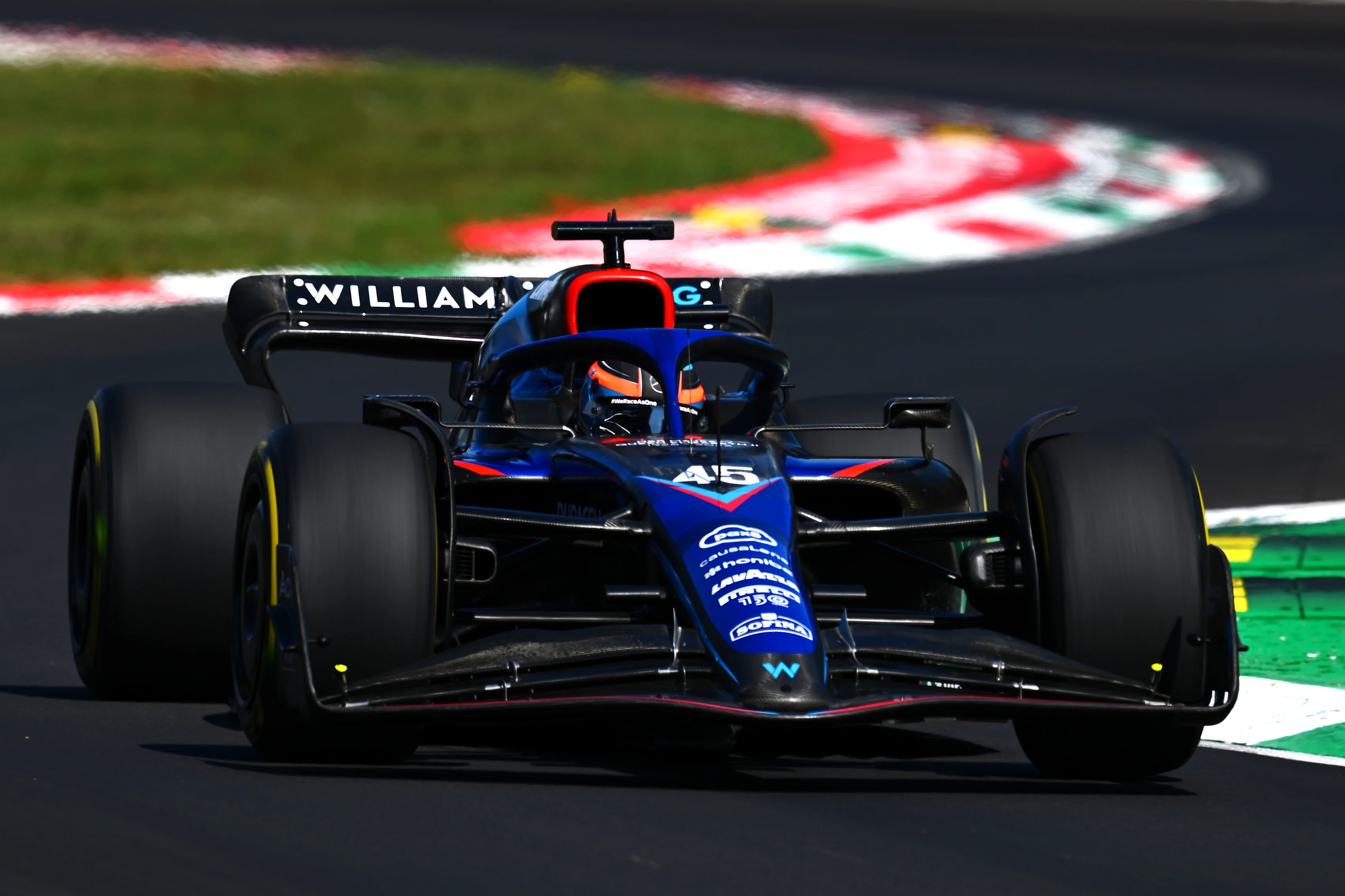
Ollie Bearman – Ferrari, 2024
Bearman had indicated his potential in Formula 2 in 2023, taking standout victories as a rookie, but his Formula 1 chance came earlier than expected.
A bout of appendicitis for Ferrari regular Carlos Sainz ruled the Spaniard out of action in Saudi Arabia in 2024, with Bearman getting the call prior to Saturday’s final practice session.
The Englishman only narrowly missed out on a berth in Q3 before making gains through the race to finish in seventh spot, becoming the then third-youngest racer in F1 history.
His Formula 2 season proved middling at best, but two further F1 stand-in appearances with Haas – with whom he had already tested and signed up as reserve driver – gave him further opportunities to impress. He duly stepped up full-time with the American outfit for 2025.
Next Up
Related Articles
 BettingBest value early Singapore Grand Prix bets
 Why Aston Martin expect another strong weekend in Singapore
/Russell%20points%20header.webp) The points Russell has lost to reliability issues in 2026
The points Russell has lost to reliability issues in 2026  How F1 drivers and strategists tackle the Singapore Grand Prix
 BettingOur early Bet Builder for the Singapore Grand Prix
 Why splitting car specs is a 'no-brainer' for Mercedes