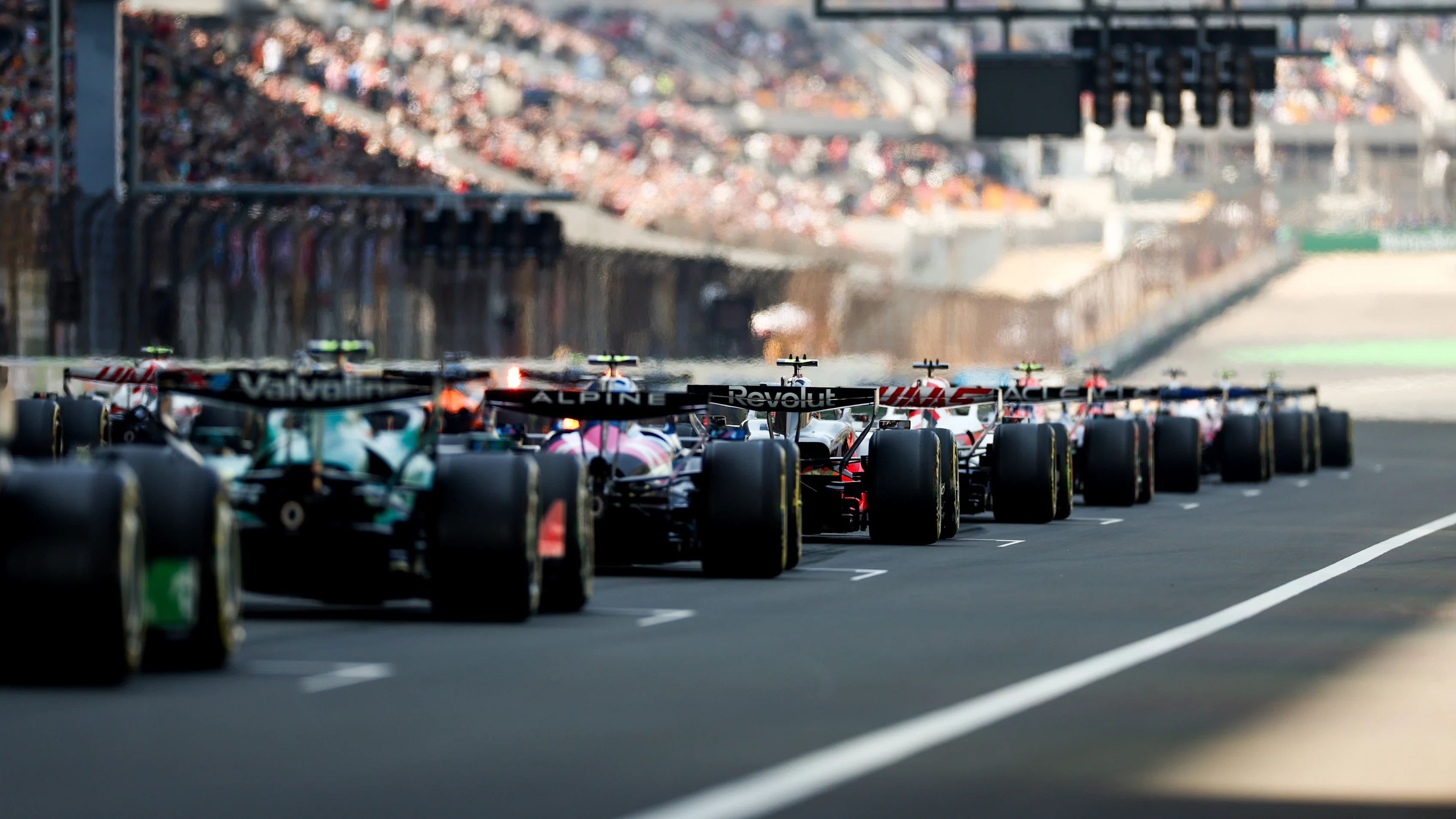
Not only did F1 introduce new cars and new power units at the start of the 2026 season, but also Advanced Sustainable Fuels, a pioneering technology that teams – and their partners – have been pushing hard to maximise in terms of both performance and reliability.
The story behind F1’s new fuels
Prior to this year’s rules reset, F1 already boasted the most efficient engines on the planet with turbo-hybrid power units that used 10% ethanol biofuel – a small part of the sport’s commitment to becoming Net Zero by 2030.
However, that was stepped up a gear for 2026, with F1 and its governing body, the FIA, mandating Advanced Sustainable Fuels made from sources such as carbon capture (taking CO2 directly from the air or industrial emissions), municipal waste and non-food biomass.
Sometimes described as ‘drop-in’ fuels, they are designed to replace fossil fuel equivalents without any adjustments being required inside the engine, meaning that, in theory, they can be used in road cars.
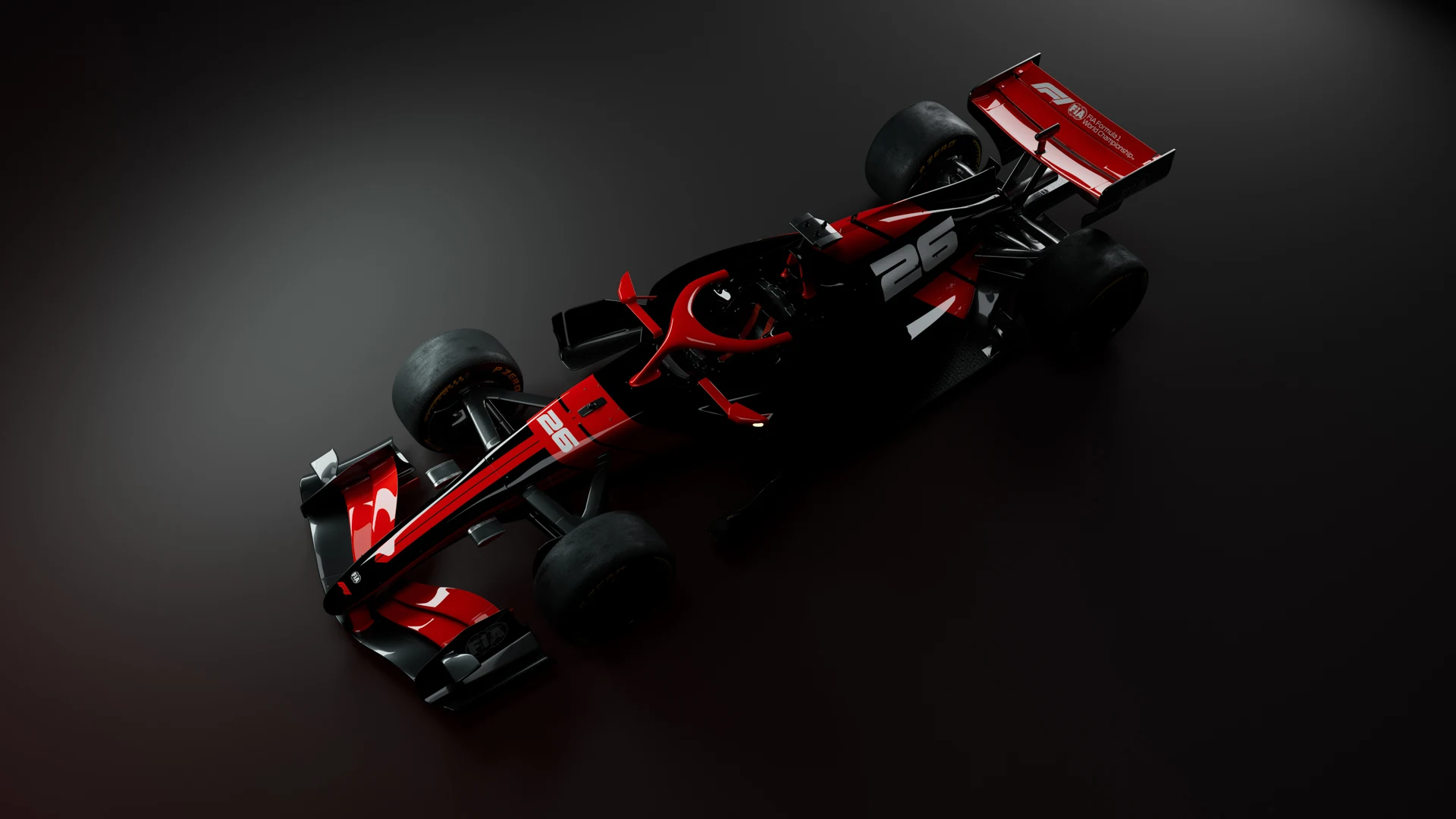
Over the last couple of years, in the build-up to F1’s new era, F1 squads and their fuel partners cycled through a host of product iterations to find the perfect blend and hit the ground running at the Barcelona Shakedown in January.
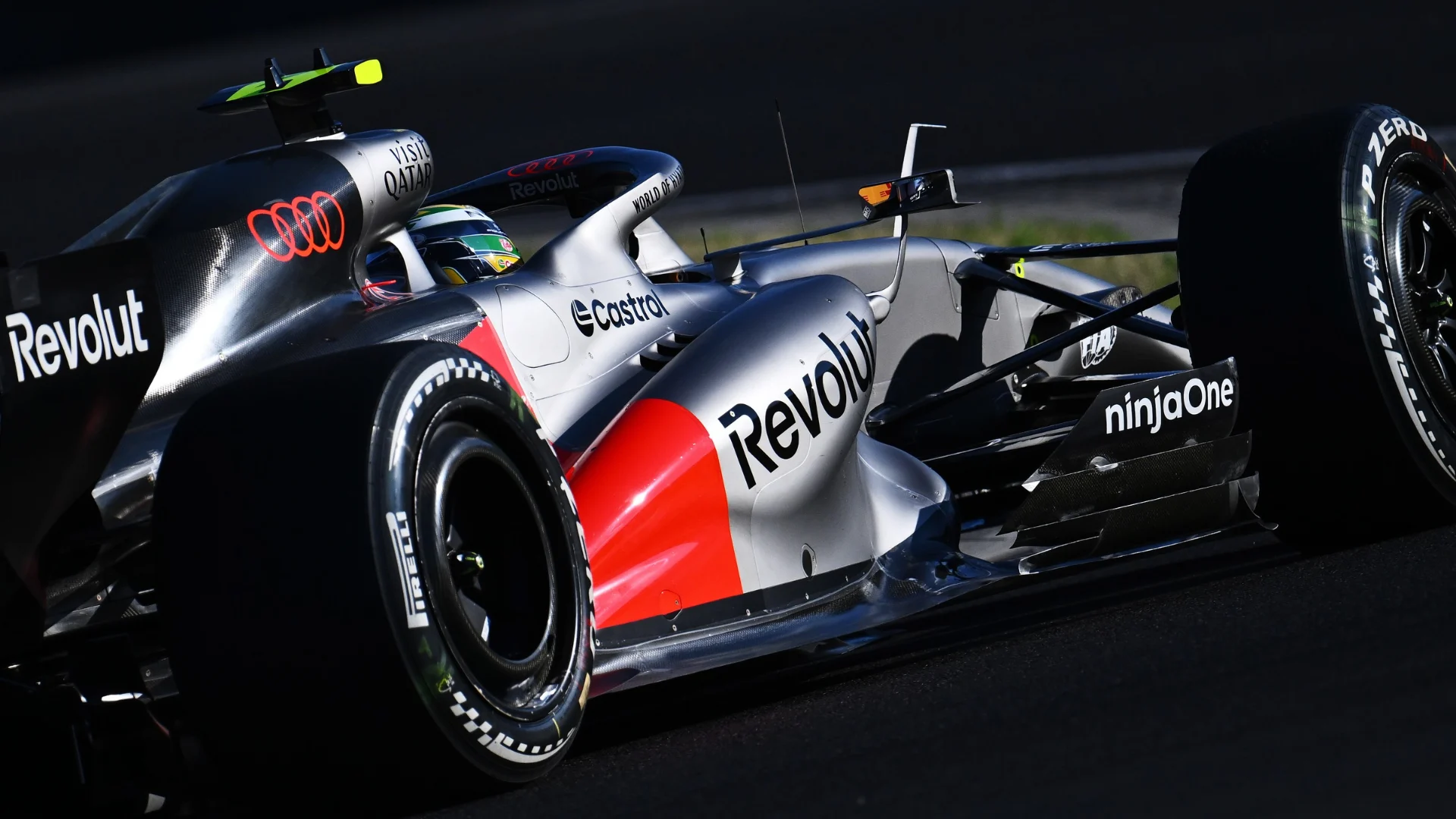
For Audi, that meant working closely with technology partner BP, who assessed 70 fuel components and developed 400 pilot fuel samples before the 2026 campaign, while testing 200 fuel blends in the German manufacturer’s all-new power unit and delivering 240,000 litres of test fuel to their Neuburg facility.
“There are two things here,” says Luc Jolly, BP’s Motorsports Technology Fluid Lead, in conversation with F1.com. “One is that Audi are a new team, with a brand-new power unit, working to a new regulation set, and secondly, there’s the Advanced Sustainable Fuels requirement.
“We know the types of fuel components, molecules, additives and things that have typically worked well in F1 engines in the past, but essentially, all of the fossil-based componentry that we’d normally use, and was very well established, was not available to us.
“We’ve had to kind of start from scratch in terms of what works really well in the Audi engine, while that’s been developing, and then once we know what works, how do we do that in an advanced, sustainable way, that the FIA will approve?”
Performance vs reliability
As touched on in our introduction, finding the perfect balance between performance and reliability is easier said than done, especially at the start of a new ruleset – but Jolly and his dedicated BP motorsport team embraced that task from the outset.
“For people like me, it’s an awesome technical challenge,” adds Jolly. “That is why we like F1. Yes, it’s about the drivers, the fans, the passion, and all those kinds of things, but it’s also a technical sport. If you didn’t get these new things coming along that shake things up a bit, it wouldn’t be F1, would it?
“F1 is the pinnacle of motorsport and engineering, and with anything in engineering there’s that trade-off between performance, how well something’s going to perform, and how much margin we have to leave in terms of reliability.
“Obviously we have the regulations in F1 around how many engines you can use per year, and the ideal scenario is that you don’t over-engineer. That’s a major consideration. We’re trying to find the sweet spot of being just reliable enough, so you unlock the maximum performance, and that’s not something you necessarily absolutely nail in year one.
“The competition in F1 is absolutely brutal. Everyone’s got talented people, right? But we’re on that journey, and it’s about who develops the quickest, and we think this year we’re building really strong foundations.”
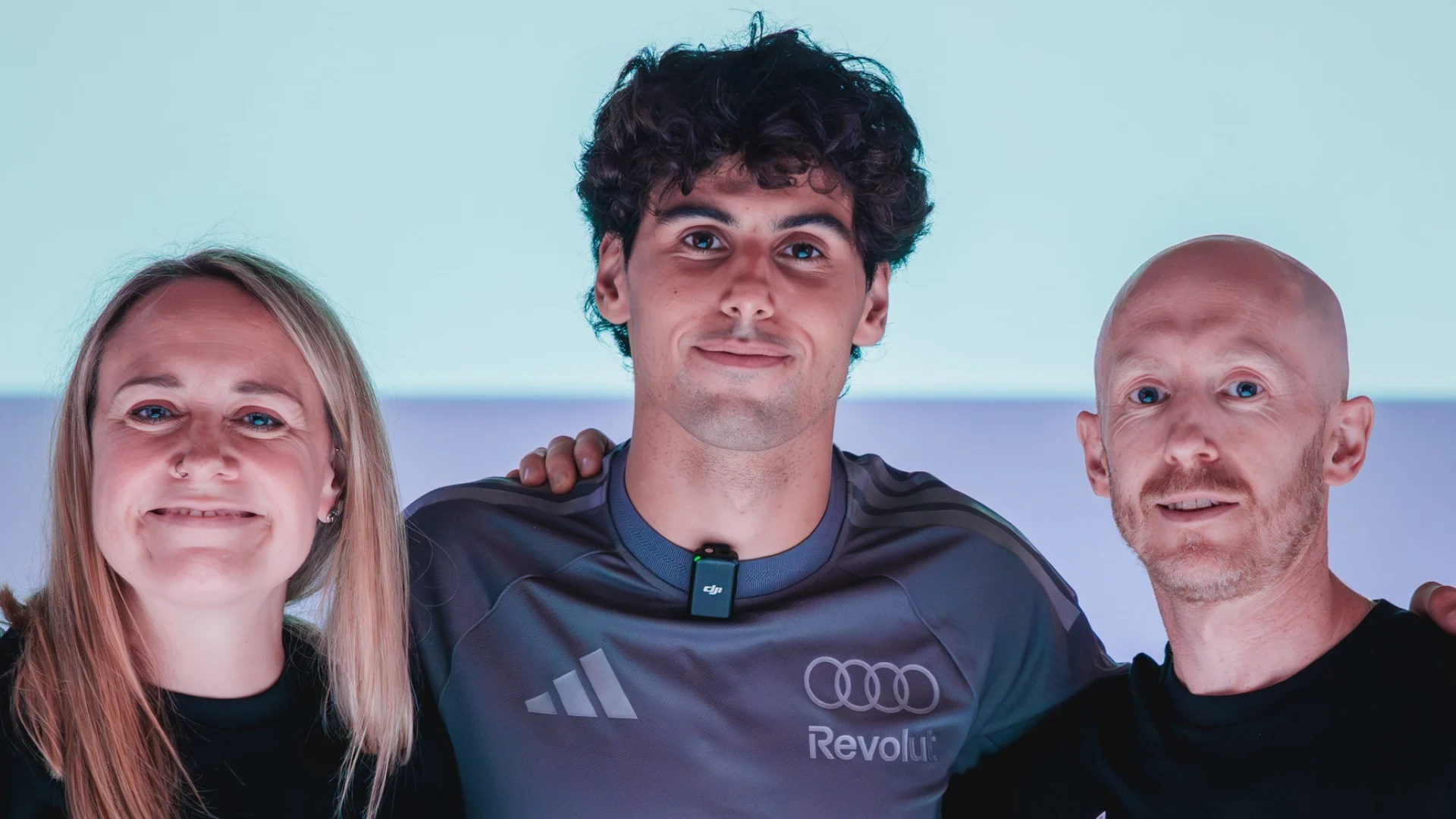
Also present for our fuel deep-dive is Gabriel Bortoleto, who made his F1 debut with Sauber in 2025 before the team transitioned to Audi’s works effort – the Brazilian sharing his own fascination about what has gone into F1’s 2026 fuels.
“We were downstairs just before you guys came in and had a chat,” says Bortoleto, pointing in Jolly’s direction. “I was asking him all my questions, and I had so many more questions that I would [end up asking him] for the rest of the day!
“It’s funny, because I grew up literally driving, driving, driving, driving, and you keep driving and evolving your techniques on the driving side, but when you reach F1, it’s a completely different world. It’s all about innovation, it’s all about bringing upgrades to the car, to the engine, in the fuel, in every component in the car.
“I feel like my life has changed in the last year in that sense. I was used to driving with one chassis, with one fuel supplier, with one engine supplier all my life, and now it's a different topic. With BP and Audi, it has been completely different, and it’s been very interesting so far to learn about many of these topics.
“My part and my involvement can only be once I jump in the car on the track, and I give feedback. I don’t go to the lab and tell the guys, ‘Look, I need more!’ I just give the feedback of what I feel about the engine, and then that passes through the areas it needs to go.”
Jolly jumps back in: “It’s an important part of it. We’re continually looking for the next upgrade, the next optimisations. Now that we’re racing, there is information coming back from the engineers at the track, which will have come from the drivers. Even though me and Gabi aren’t talking every day, it’s part of the whole picture.”
The future of Advanced Sustainable Fuels
So, with those next upgrades and optimisations in mind, how much more scope for development does Jolly see when it comes to Advanced Sustainable Fuels over the next few years?
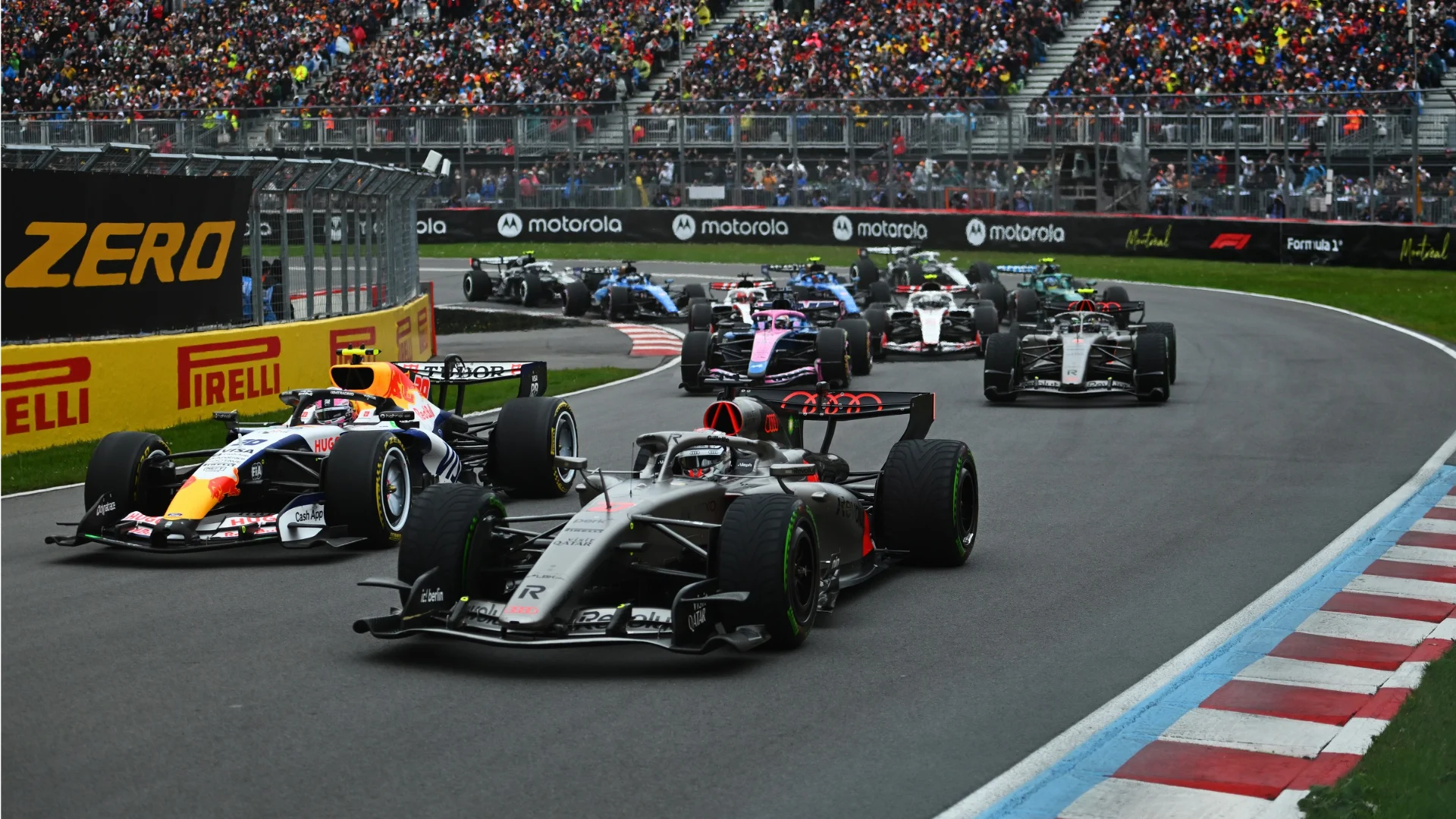
“There’s always scope for continuing to develop,” Jolly makes clear. “In the first year of a new regulation cycle, and you’ll see it with all the teams, it’s that race of bringing upgrades, bringing more performance.
“I don’t think anyone would be in a position this year where they’re thinking there’s no more performance to be had – there’s plenty more.
“The other key thing to mention is with the regulations being adjusted [for 2027], and the increased fuel flow to rebalance the combustion power versus the electrical power, that is going to bring opportunities, and that will change fundamentally how the fuel performs in the engine.
“It’s a lot more complicated than just putting more fuel in. It really alters the dynamics inside the engine. So, I think even if it wasn’t for that, there would be more to do, but now there’s kind of change on change being added.”
While F1 remains the focus for Jolly’s engineers, there is potential – as touched on above – for Advanced Sustainable Fuels to be used in road cars moving forward.
There have also been on-track demonstrations from Sebastian Vettel and his ‘Race Without Trace’ project in recent times, with sustainable fuels powering a Nigel Mansell Williams FW14B, an Ayrton Senna McLaren MP4/8, and his own Red Bull RB9.
“In terms of some of the componentry, the additive chemistry, and how you make the combustion work better, the processes… those are the types of things we’re learning,” explains Jolly, when it comes to F1’s latest fuel technology making its way into road cars.
“At the moment, my team and I are fully focused on giving Audi the best performance possible, but we are part of the same team that’s developing BP Ultimate road fuels. We’re very well connected, we’re sharing learnings. As we’re going through this, we’re considering what from the stuff that we’re doing in the F1-dedicated team could potentially be of benefit to road fuel customers.
“Again, it’s about the journey, and we’re on that journey. The development cycle for F1 has to be very quick, and commercial stuff tends to take a bit longer. So, it’s a little bit down the road, but we’re on the learning journey with them.”
Next Up
Related Articles
 The power unit manufacturers with the most wins in F1 history
 UnlockedThe issue Red Bull are still trying to correct on the RB22
 Everything you need to know about the 2027 F1 calendar
 Tsunoda reviews Madrid outing after sustaining 'big damage'
 Why Williams' FW48 upgrade package in Baku is so crucial
 BettingConstructors' title battle heating up for F1 bettors