The beginner's guide to F1 pre-season testing
Our guide explains F1 pre-season testing, what it is, where and when it takes place, why it matters and how you can stay up to date with all the latest.
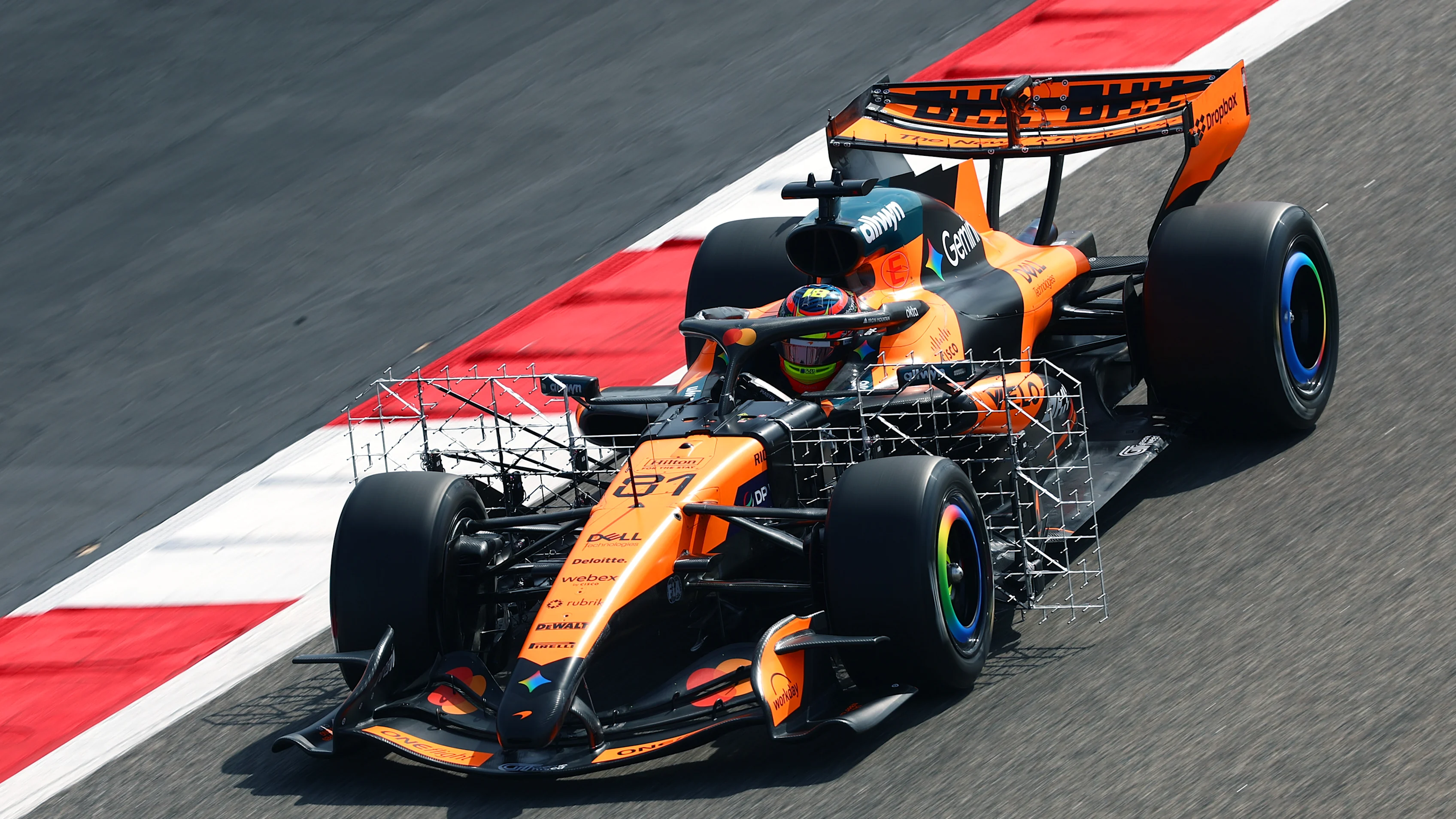
Our beginner’s guide provides all you need to know about F1 pre-season testing, explaining what it is, where and when it takes place, why it matters and how you can stay up to date with all the latest.
What is F1 pre-season testing?
Formula 1 pre-season testing is a chance for teams to put the cars through their paces ahead of the opening race of the year. It enables teams to see if their new designs are working as they should, and usually gives everyone the chance to see new F1 cars on track for the first time.
Testing time is limited in F1, so a test is a regulated event that ensures equal opportunity for track time (in the same conditions) for all teams and their drivers. Every second counts. Teams have a total testing time of just 24 hours over the course of the event – and they're only allowed to run one of their cars at a time.
When is F1 pre-season testing?
In 2026, there are two official pre-season testing events ahead of the new season. The first takes place on 11-13 February, before the second test the following week on 18-20 February.
Every test is three days long, with each day beginning at 1000 and ending at 1900 local time – with an hour's break (1400-1500) separating two four-hour track sessions.
Where is F1 pre-season testing?
Pre-season testing in 2026 is being held at the Bahrain International Circuit in Sakhir, Bahrain.
You can find the latest news, circuit information and schedule (where you can convert local track times to your own time zone) on our dedicated pre-season hubs in the 2026 calendar.
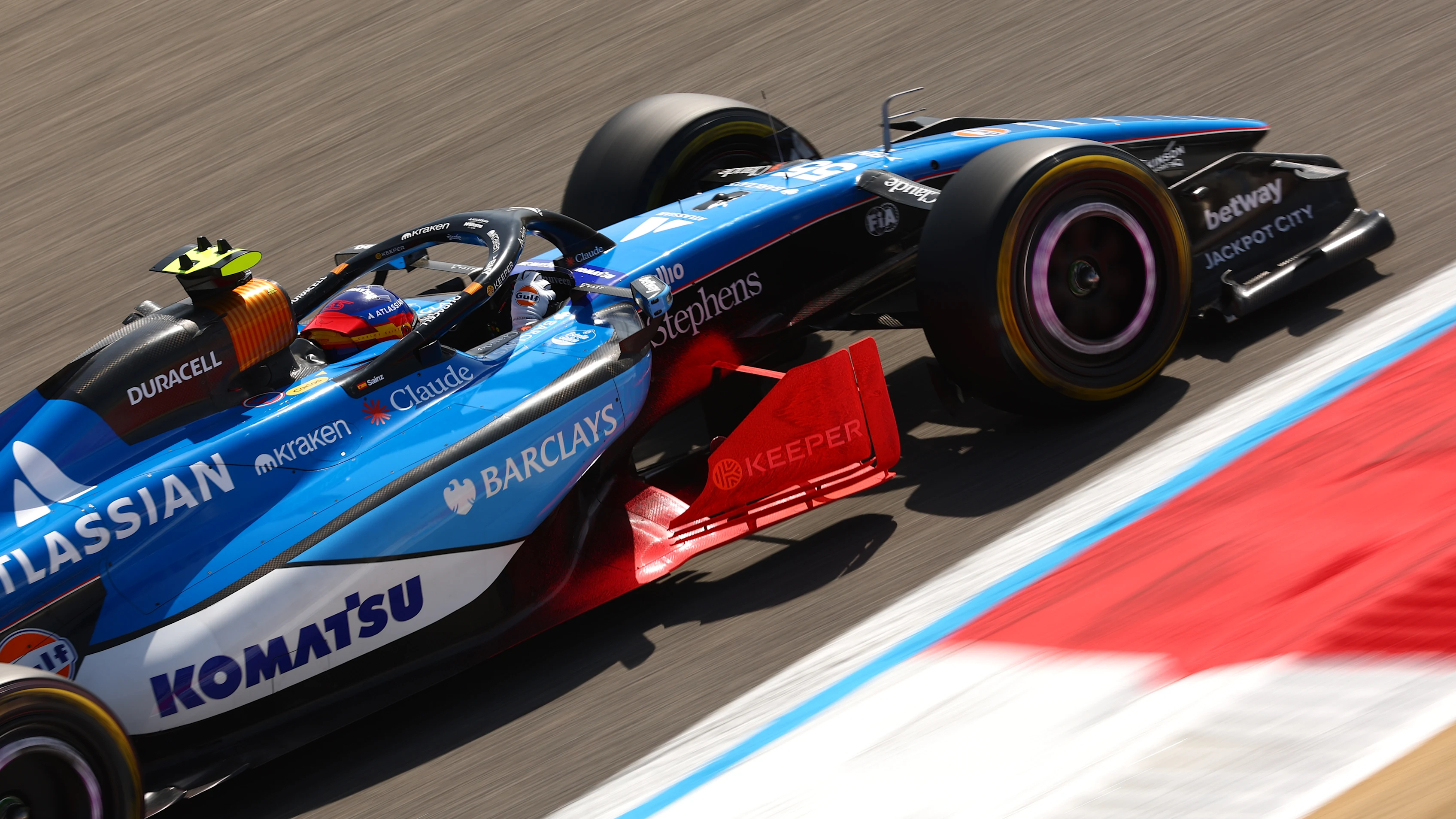
Why do F1 teams take part in pre-season testing?
Teams make considerable changes to their designs during the winter break and build entirely new cars for each new season – and there's even more change with entirely new regulations, as there are for 2026.
They need time to test new parts – while also making sure their cars are reliable – before the opening race of the season. To finish first, first you must finish.
Pre-season testing is also important for drivers, whether they’re multiple World Champions who have been in the sport for years or a rookie entering their first full F1 campaign. While they may have had ample hours in the simulator, testing might be their first time behind the wheel of a brand-new machine and is an invaluable chance to get some much-needed track time.
Meanwhile, engineers will use the days to collect data on their new challengers and make sure it correlates with wind tunnel and computer simulation information, while mechanics will sharpen their skills by practising pit stops before the season begins. Nothing is left to chance.
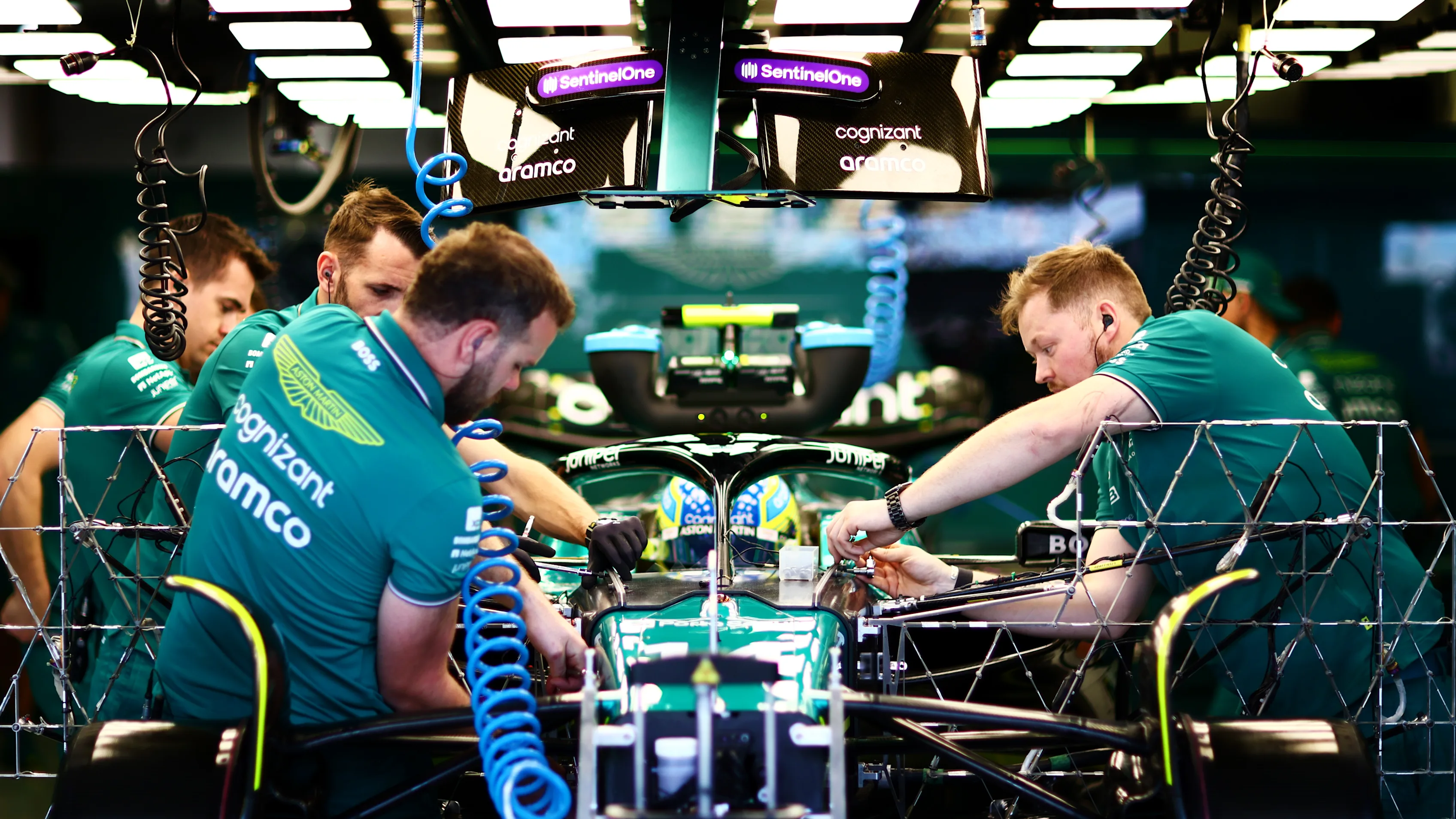
What should I watch for in pre-season testing?
Pre-season is the first proper chance to see the new cars on track, each hopefully sporting new parts – though that isn’t always obvious! Teams might have re-shaped their sidepods and engine covers over the winter break, or tweaked elements of the floor, wings or underside of the car for example.
Look out for lots of flow-vis paint (a mixture of fluorescent powder and a light oil) and aero rakes (scaffolding-like structures covered in sensors) liberally applied or attached to the cars. This helps the teams work out if the car (or part of it) is performing as intended.
Mileage is at a premium given how short the pre-season is, but the number of laps isn’t necessarily an indicator of future success.
Don’t expect the cars you see in testing to be identical to the machines racing in the opening round of the season either. In the past, teams have added major upgrades between testing and the first race.
With two weeks between the final test and the first event, teams will almost definitely be fitting upgrades of some description before the Australian Grand Prix (6-8 March).
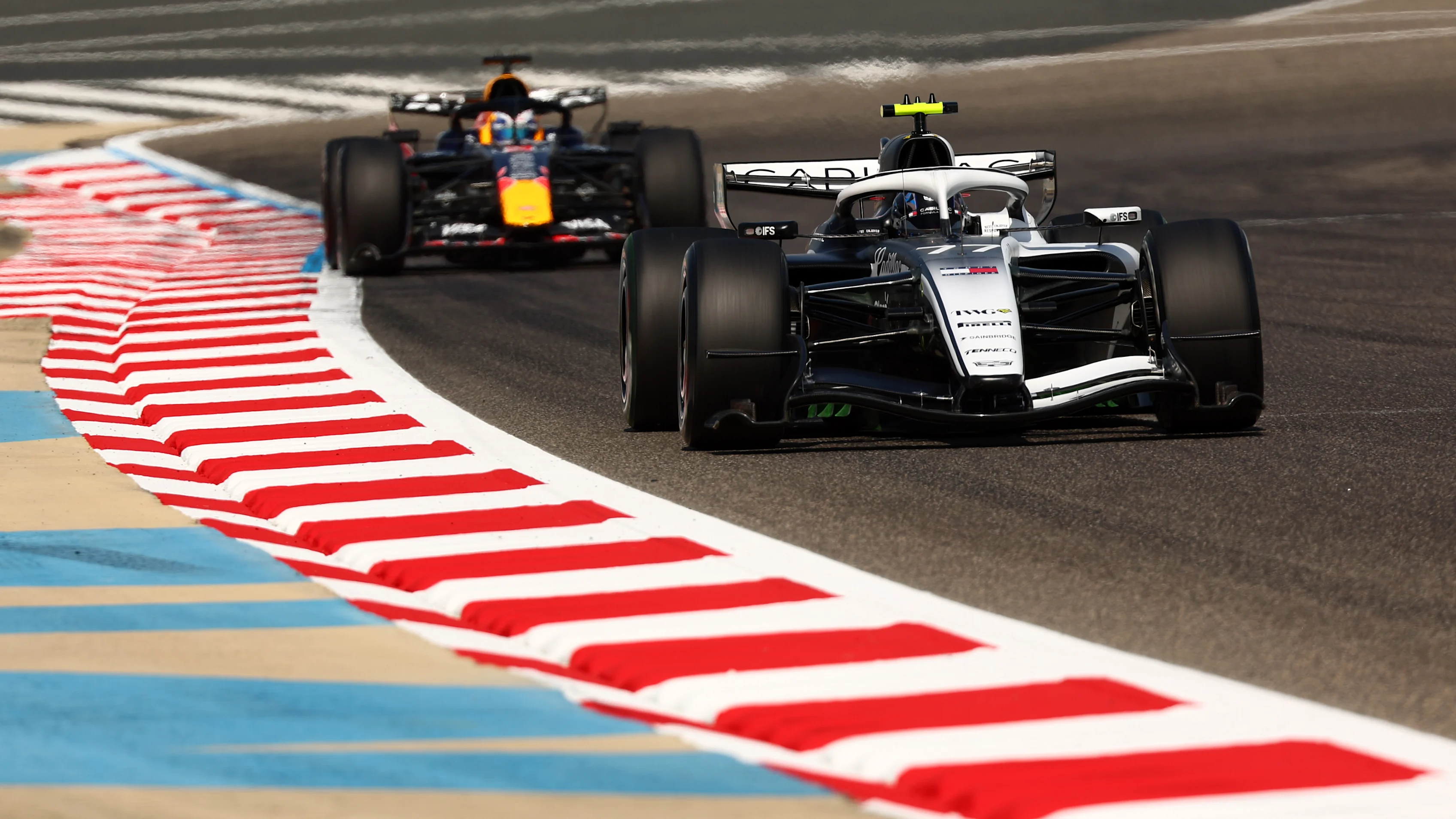
Do the timesheets matter in pre-season testing?
Yes, to a point – teams will be looking to put in some fast laps by running their cars with lower fuel loads and softer tyre compounds – but testing times do need to be taken with a pinch of salt.
Teams don't generally reveal how much fuel they've been using during a session, which makes it harder to tell who's actually going to be fastest.
Look out for suggestions about sandbagging too (where a team deliberately puts in slower than expected laps to hide the true potential of their car), as teams attempt to disguise their true potential before the opening round.
Where can I watch F1 pre-season testing?
In selected territories, F1 TV Pro subscribers can see the final hour of each day of Testing 1 – available on any device. There'll also be a special end of day show with in-depth analysis and expert opinion from the paddock in Bahrain.
All the action from each day of Testing 2, plus analysis, replays and highlights will also be available.
Similarly, pre-season coverage may also be shown by our F1 broadcast partners in your area, so check your local listings.
Here on F1.com, we’ll have text commentary and updates in our live blog each day – just as we do for every race weekend – plus live timing, up-to-date reaction and in-depth written analysis from every session.
Next Up
Related Articles
 UnlockedTop 10 most memorable F1 moments at Sepang
 Mercedes reveal special livery for Bahrain GP in Malaysia
 Hadjar explains what makes Verstappen such a tough driver
 What time is the 2026 Bahrain GP and how can I watch it?
 UnlockedTREMAYNE: Why I hope Ocon’s F1 story isn’t over yet
 Ocon confirms he will leave Haas at end of 2026 season