THE RISK PERSPECTIVE: How F1 drivers, engineers and strategists tackle the Circuit of The Americas
In Formula 1, performance is decided in moments where conditions change instantly, and decisions carry consequence. The difference isn’t just speed – it’s perspective.
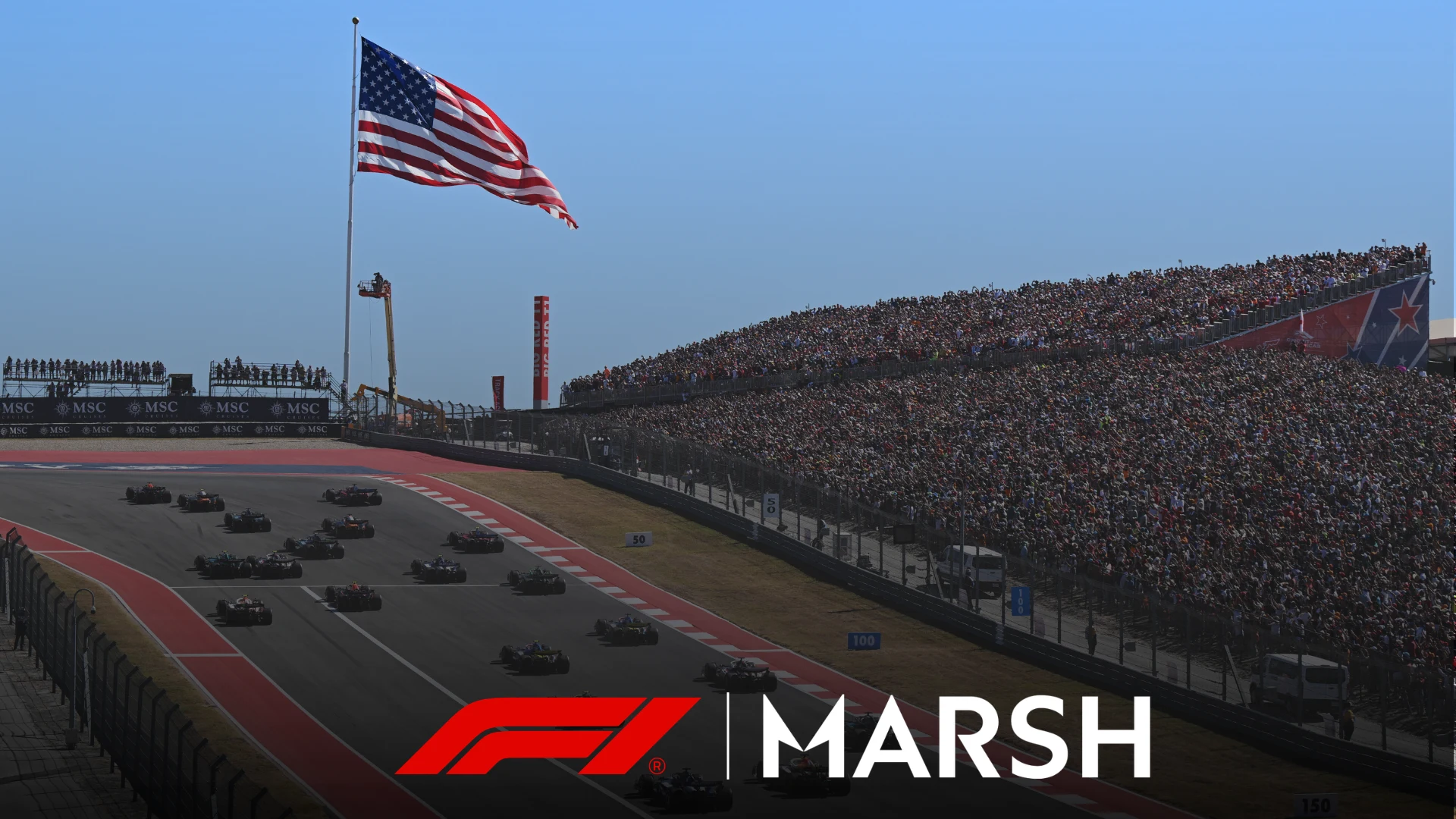
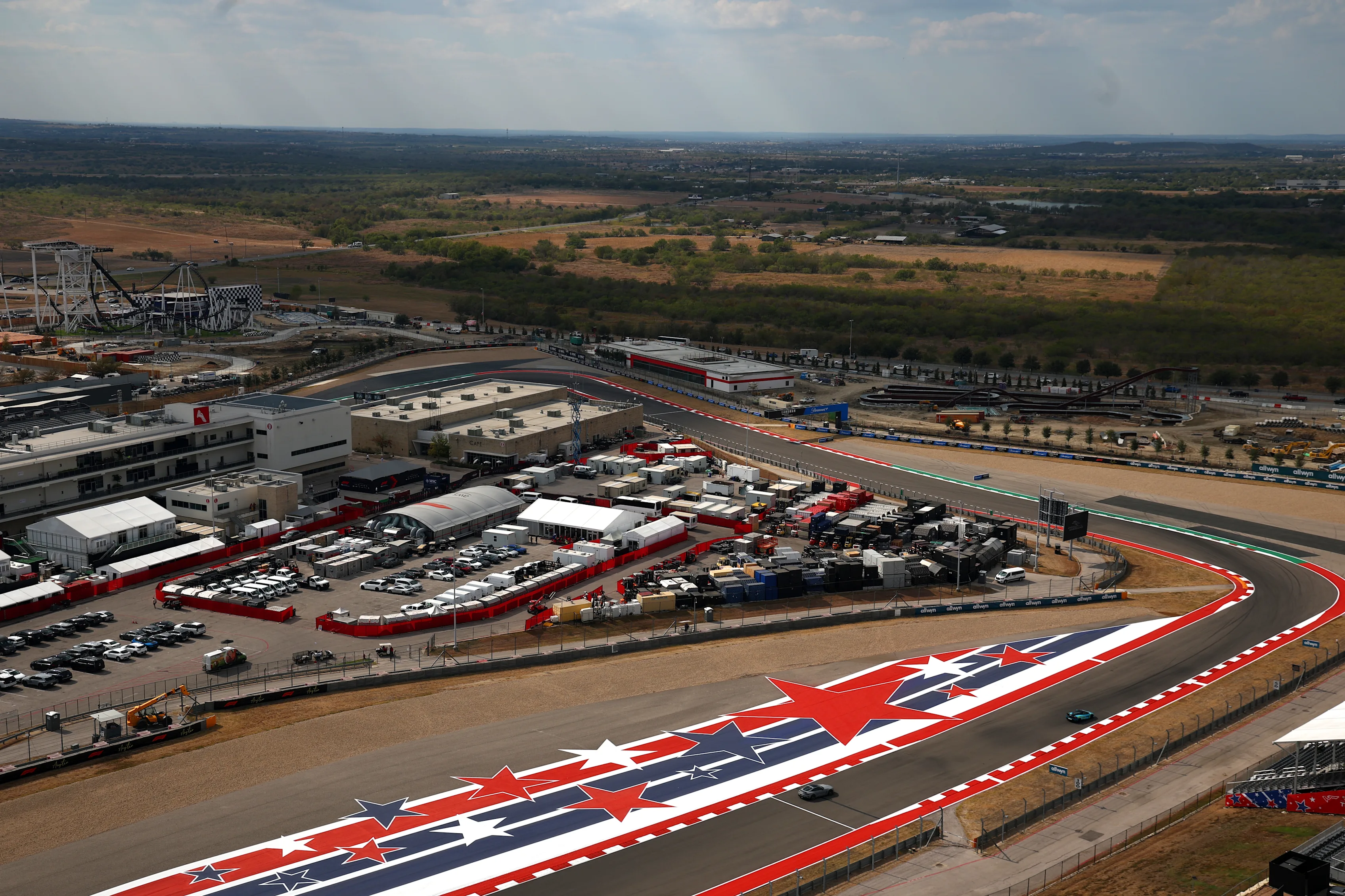
The US Grand Prix at the Circuit of The Americas is one of the great tent-pole events of the Formula 1 calendar. It is simply immense, drawing in vast crowds, celebrity guests and a stupendous TV audience. It’s a superb circuit that has always produced interesting races, and right from year one has been a firm favourite with the teams.
COTA is a good place to race – but that’s not the same as being an easy place to race. The track makes harsh demands on an F1 car. It’s very fast, but also very bumpy; the first sector demands a car that works well in high-speed, but elsewhere the lap wants one that excels in low-speed – and you really can’t set-up for both.
And while engineers are dealing with that conundrum, drivers need to figure out how to approach a Qualifying lap: push too hard at the start and the tyres give up before the end. The 'Goldilocks Zone’ is as ephemeral as the morning mist in Travis County.
So how will the teams, drivers and strategists approach the weekend? It’s time to take a look in The Risk Perspective, in partnership with Marsh, Formula 1's Official Risk Partner and Official Insurance Brokering Partner.
The Engineering Perspective: Xavi Marcos Padros
Xavi Marcos Padros has vast experience on both sides of the Atlantic, having worked in F1 for HRT, Williams and Ferrari, around a spell as chief race engineer for Richard Childress Racing in NASCAR. He joined Cadillac in 2025, working on its WEC and IMSA programmes, before becoming chief race engineer for the Cadillac F1 Team.
“The different sectors at COTA pose some really good questions for set-up, with no obviously right or wrong answers. A lot depends on your car: you might get the best results optimizing around the high-speed corners at the start of the lap, or around the lower speed sections at the end.
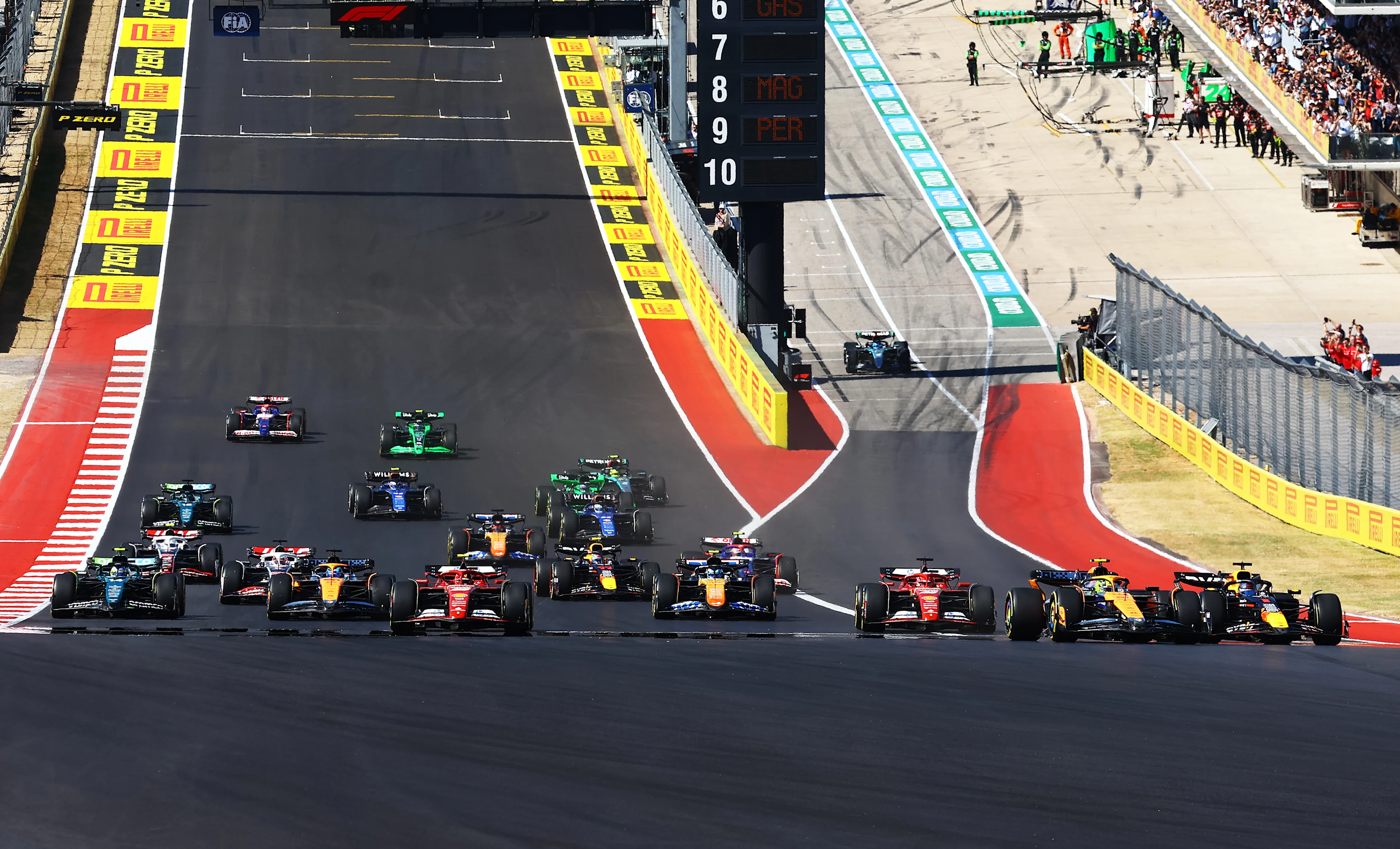
“The surface is quite rough – but that doesn’t really change our set-up discussions because we’re asking the same questions about how best to maximise what we have, no matter the limitations of any particular circuit.
“We’ll discuss damper settings, general stiffnesses to cope with any bumps, try to maximise ride-height for those, and also, of course, to make sure we are legal at the end of the race with the amount of wear to the plank [the composite board attached to the bottom of the car, which is measured post-race to ensure a minimum ride height].
“Our initial set-up for FP1 is based on simulator and simulation data, and then we’ll make adjustments for FP2, based on what we saw in FP1. We’ll have some simulator sessions overnight on Friday to optimize the setup for Saturday, but we’ll also take into account the drivers’ feedback. Some can cope with a stiffer set-up, others need something a little softer. We’ll factor all of these things into our decisions.
“Getting a Qualifying lap right is very difficult, because there are risks involved. It is a tough lap for the tyres: if the out-lap prepares them well so they are ready for the first sector then they overheat in the final sector, which is very tough on the left side of the car through the long right-hand corners.
“We can compromise, and perhaps do the first sector with tyres that aren’t quite up to temperature, so they are better in the final part of the lap – but it can be difficult to know which is the best approach. We’ll practice this on Friday, trying different sorts of out-lap, and than plan a cross-car test for our final Qualifying sims in FP3… but it can be a moving target because rubber will go down, grip will increase and the track will evolve."
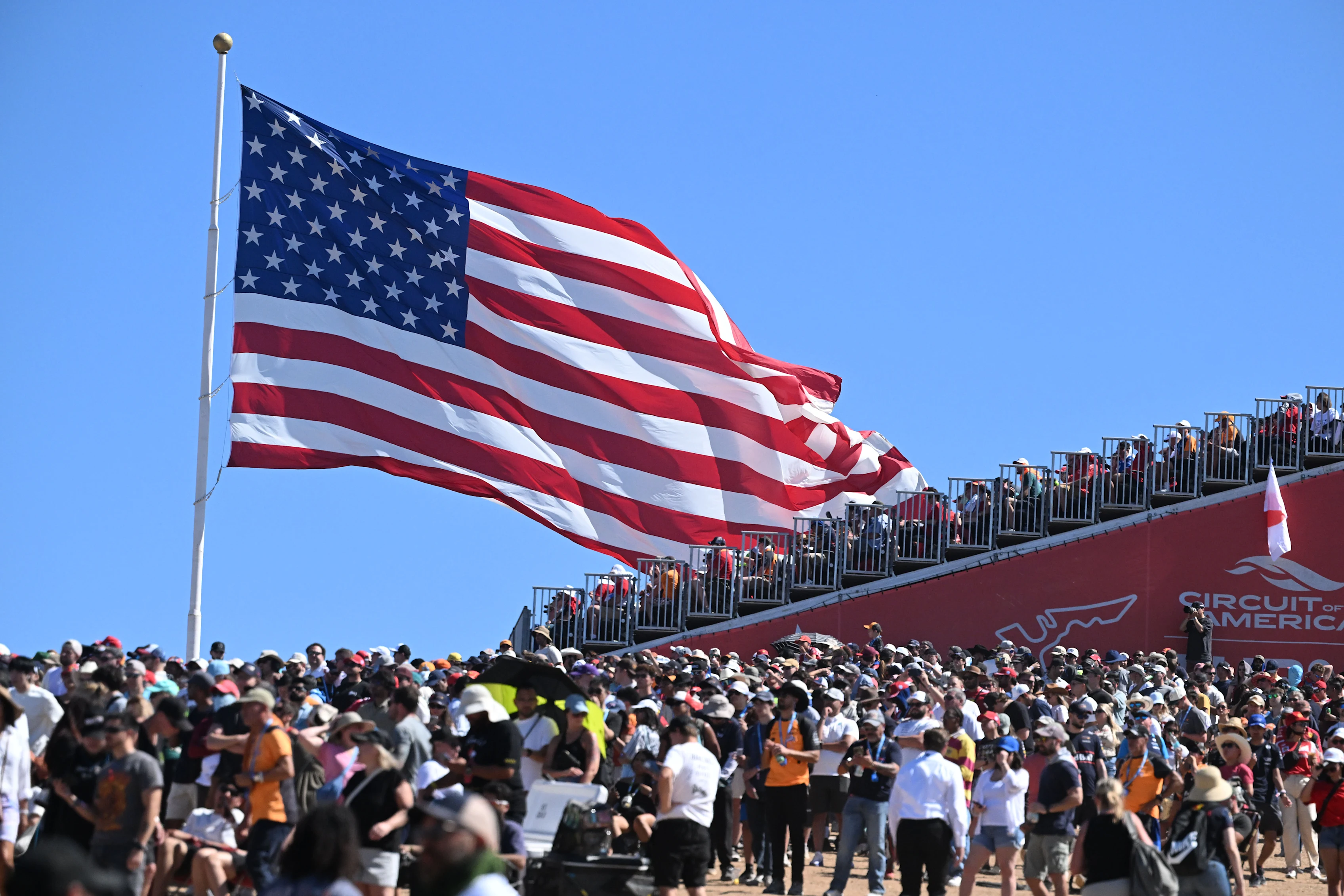
The Strategy
In strategy terms, COTA has tended to be one of the more interesting circuits on the F1 calendar, being on the cusp between one and two stops. Between 2021-23 it was a two-stop race, being won by medium>hard>hard in ’21, medium>hard>medium in ’22, and medium>medium>hard in ’23.
For 2024 it dropped to a medium>hard one-stop and, last year, Pirelli tried something different with a compound bridge: instead of the usual C2-C3-C4, they bought C1-C3-C4, with the hope of a tortoise-and-hare scenario, of steady one-stoppers using the hard compound battling in the final laps with the more rapid two-stoppers running the softer compounds.
It didn’t work out that way, with the race being entirely a one-stop affair… on the softer tyres, Max Verstappen won with a medium>soft race. This year, Pirelli go back to the conventional C2-C3-C4.
The race we get at COTA often depends on the temperatures, with Texas at the end of October capable of going either way. At the time of writing, the forecast is for hot weather, which tends to increase degradation, but two-stop races have been a rarity in 2026…
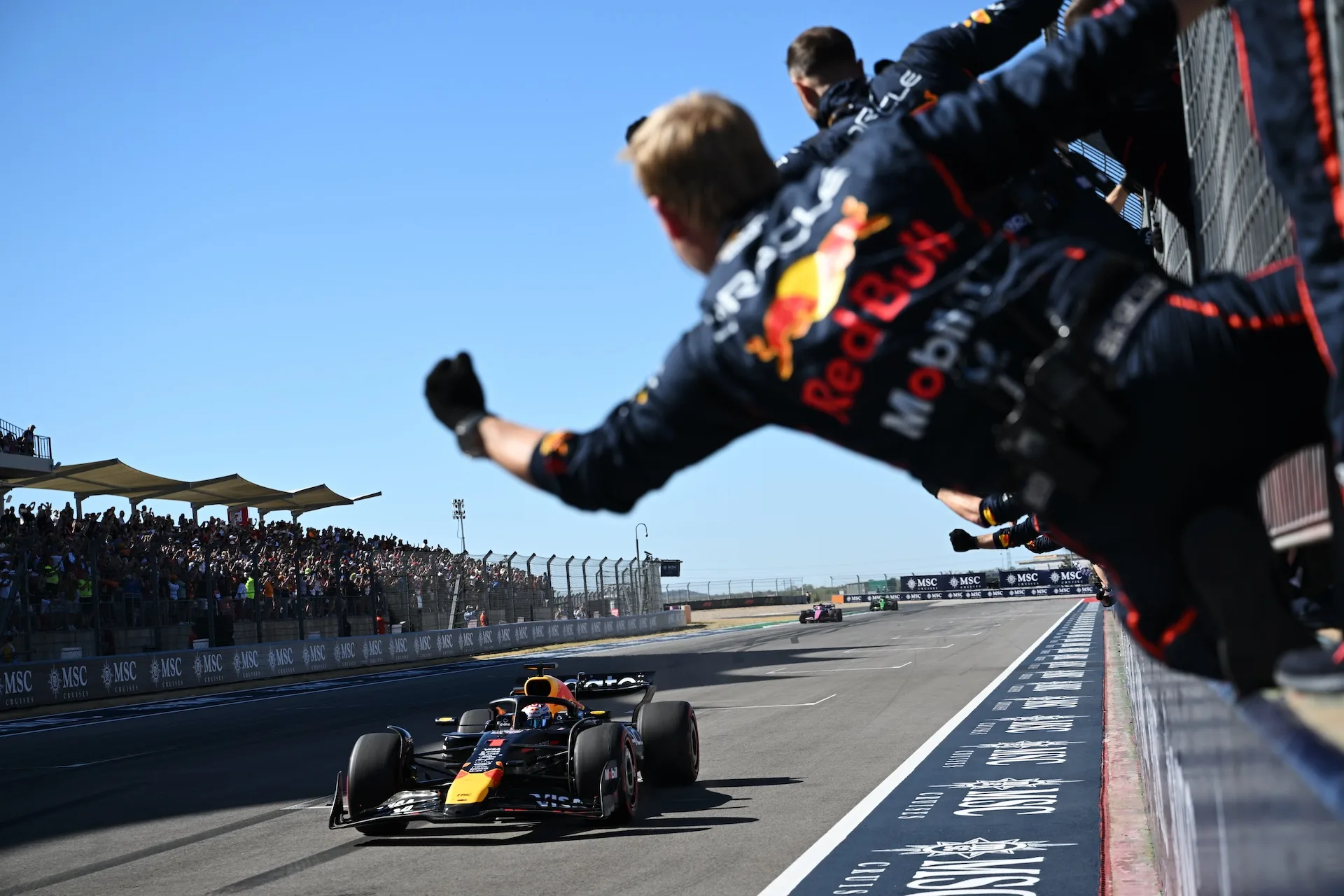
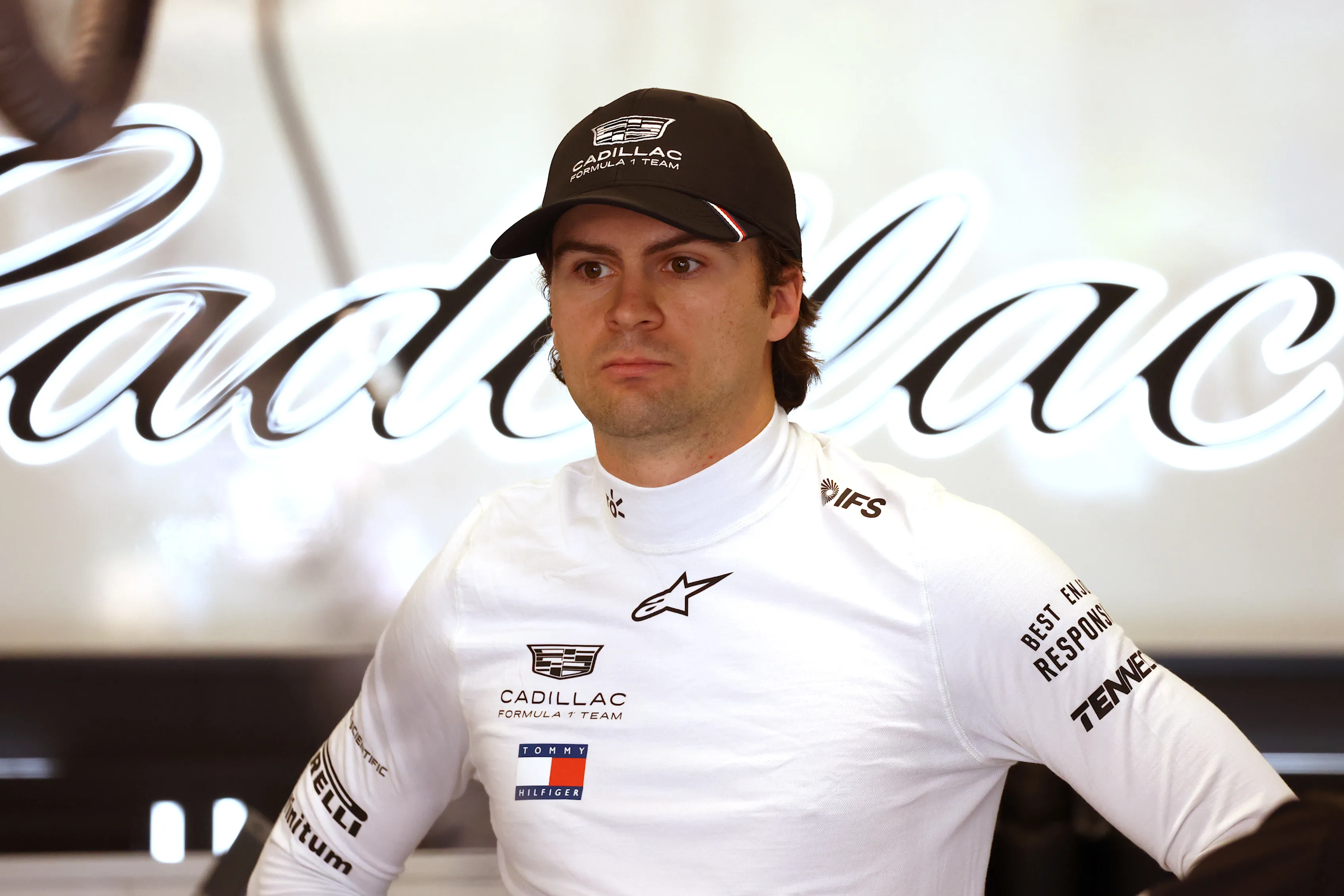
The Drivers’ Perspective: Colton Herta
Colton Herta is Cadillac’s test and reserve driver, and will be taking part in FP1 this weekend, substituting for Sergio Perez for one of the team’s mandatory rookie sessions. This is his fourth FP1 session of the season, having already appeared in Barcelona, Budapest and at Monza.
Despite being only 26, he has vast experience as a racing driver, having completed seven series in IndyCar, winning nine times and finishing second in the 2024 Championship. The first of his nine victories came here at COTA, back in 2019 – when he became the youngest driver to ever win in IndyCar.
“The right set-up is always a difficult question to answer for this track because the different sections ask quite different things of the car. One of the biggest challenges is how bumpy it is and finding the right balance between ride heights and overall stiffness. You’re trying to get something that works well through the high-speed first sector but still gives you what you need in the longer, slower corners.
“Wind can also change which parts of the track you can maximize, so that adds another factor to think about. With the unusual mix of corners, you’re never going to feel completely comfortable or happy everywhere. It’s about finding a happy medium across the whole lap.
“The biggest thing you have to remind yourself is that you’re never going to feel completely comfortable on a lap here. That’s just part of the challenge of driving at COTA, and you have to keep that in mind when you’re judging how the car feels.
“From a set-up point of view, you’re trying to find the best compromise between dealing with the bumps and getting the balance you want around the rest of the lap. You can work towards something that feels as good as possible, but it never feels perfect everywhere. There’s always a bit of give and take, and you have to get comfortable with that compromise.
“For me on Friday, the track knowledge will definitely help. Having raced there before gives me a reference for the layout and the different sections – although it’s been seven years since I was last here, so I’m sure the bumps have changed in that time!
“There are similarities and differences between driving an F1 car and an IndyCar, and some of that familiarity with the circuit will carry over. At the same time, you have to be open to what each car needs from you. I haven’t been able to compare the two cars on the same track yet, so it will be interesting to see where the approach feels similar and where you need to adapt.”
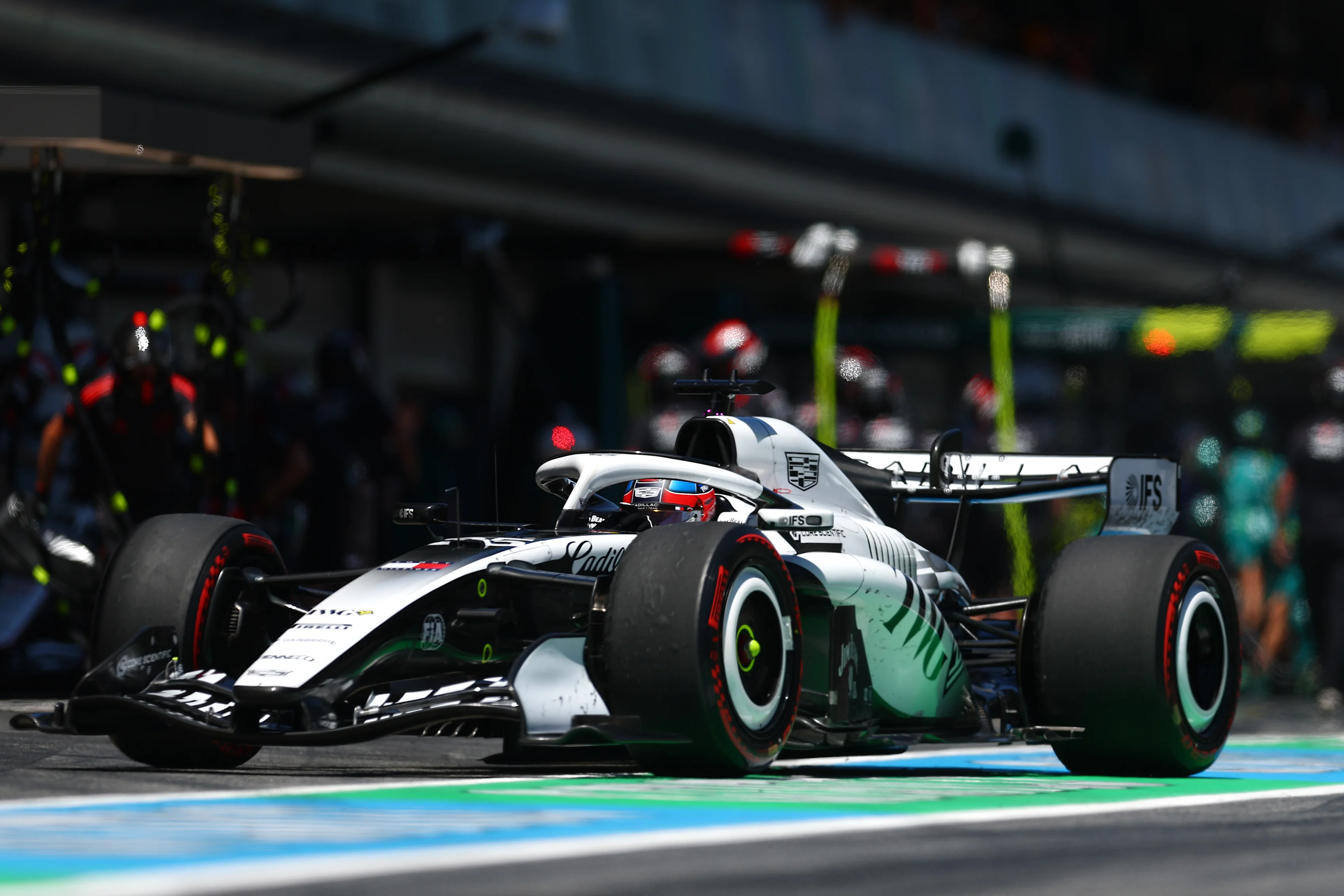
The Key Section: Turn 19
COTA provides thrills and spills at Turns 1 and 12, but the corner that really does the heavy lifting is Turn 19. The penultimate corner is a quick, open left-hander, turning through 90°, with a tendency to fling cars out wide into the run-off. Slightly downhill on entry, it’s very difficult to judge.
It comes at the end of the stadium section, when the tyres are really protesting, and anyone who’s taken a little too much out of the rubber runs the risk of running off on exit and collecting a track limits penalty.
On race day, it’s produced some spectacular attack and defence. The previous three turns are cumulatively one long right-hand bend, and often cars will approach T19 side-by-side, and have to settle their differences in braking and line for the corner – much to the delight of the large grandstand sited here.
Another facet of the corner is where it sits in relation to the all-important detection points. In years past, the DRS detection point for the main straight came just in front of the braking zone for T19. This year, the Overtake Mode detection point comes after it – so following closely through this corner is going to be important – but in a slightly different way.
The Greatest Race: 2015 US Grand Prix
The US Grand Prix has had more than its fair share of gripping title deciders and close finishes, but limiting ourselves to just the races at COTA, then the 2015 US Grand Prix really stands out, thanks to a lady named Patricia.
Patricia was a Category 5 hurricane that battered the western coast of Mexico. It was a monster, with record wind speeds and the lowest sea-level pressure recorded in the Western Hemisphere. COTA didn’t get the full force, but the City of Austin received torrential rains and flooding.
FP1 and FP3 were wet, FP2 was cancelled. Qualifying was washed-out, postponed until Sunday morning and then cancelled after Q2. Going in, Lewis Hamilton led the Drivers’ Championship with Mercedes team mate Nico Rosberg and Ferrari’s Sebastian Vettel still in mathematical contention.
Rosberg took pole, Hamilton second and Vettel, courtesy of an engine penalty, starting 13th. The race featured a wet start, the only dry running of the weekend, two Safety Car periods, two Virtual Safety Car Periods and six changes of the lead.
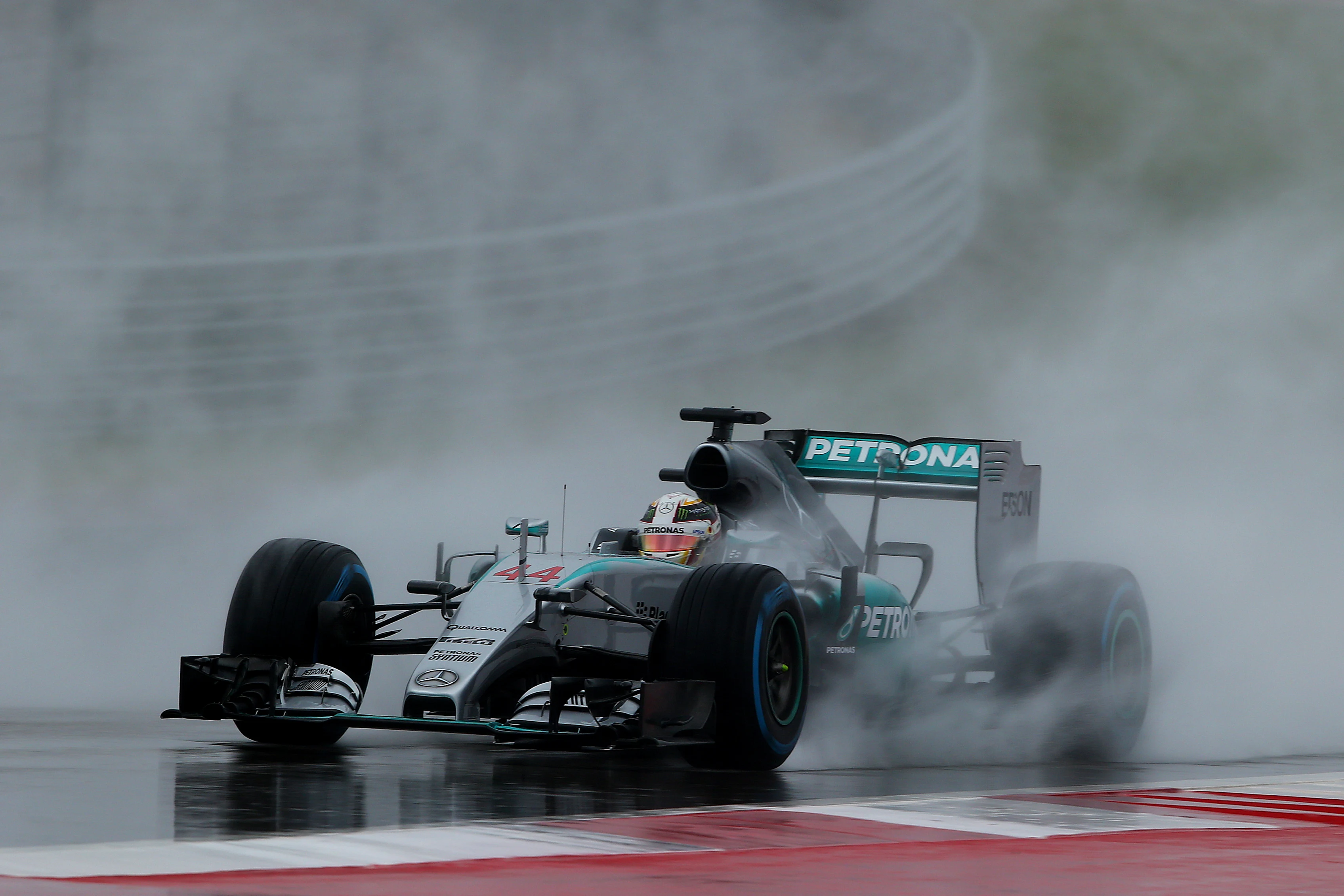
A start on intermediate tyres saw Hamilton grab the lead, nerfing Rosberg into the run-off at Turn 1 in the process. He was down to fifth, but the craziness of the first lap saw a VSC deployed to allow marshals to sweep up debris. With the track drying, the Red Bulls of Daniel Ricciardo and Dany Kvyat had all the pace. Danny Ric passed his team mate and then both Mercedes to take the lead on Lap 15.
Hamilton was the first of the leading pack to pit for slicks, coming in on Lap 18. Ricciardo, Rosberg and Kvyat followed the next time around, all coming out ahead of Hamilton. The advantage reversed on the slicks, however, and first Rosberg and then Hamilton were able to pass the Red Bulls and take the lead of the race.
A Lap 27 Safety Car compressed the field again, then another VSC came out on Lap 38 for more debris. Rosberg came in for a second stop. Hamilton assumed the lead, making his second stop on Lap 43 under a full Safety Car after a massive shunt for Kvyat, handing the lead back to Rosberg.
The final interruption bunched the field, effectively turning the race into a ten-lap sprint. Rosberg held his lead at the restart, but a lap later and under pressure, ran wide, allowing Hamilton to finally and decisively retake the lead, win the race, take the title, and let everyone else breathe again.
The Strategic Masterstroke
2021 US Grand Prix – Verstappen’s well-informed undercut
The stakes were high in 2021, with reigning champion Lewis Hamilton and young pretender Max Verstappen locked in battle for the Drivers’ title. Max had taken the lead of the Championship at the previous round in Turkey, and the fight resumed at COTA with Max taking pole position, with Lewis right alongside.
Hamilton made the better start and took the lead through a closely contested first corner, but the race was always going to be decided on pit stops. Degradation was expected to be high, which creates conditions for both a two-stop race and also a very powerful undercut. The risk with the undercut, however, is going too early.
There’s both the simple equation of having to extend the subsequent stints, but also the need to push the tyres straight out of the wrapper to make the undercut effective, contrary to the best use of the tyre which demands a gentle introduction for a long life. Unable to find a way through, Verstappen pitted on Lap 10 – first of the leaders to pull the pin. Hamilton waited until Lap 13 and came out six seconds behind.
Both drivers were planning a medium>hard>hard race. Lewis closed the gap but Max once again jumped early, this time pre-empting an undercut by stopping on Lap 29. Hamilton, in free air, ran to Lap 37, building a big tyre delta to ensure a good pace advantage for the final stint.
He came out nine seconds behind and again started closing the gap… but not fast enough. Verstappen had enough life left in his tyres to eke-out his lead, keeping Hamilton out of DRS range until the penultimate lap. He and Red Bull had judged the life of the hard compound perfectly.
This wasn’t down to luck. One of the inherent risks of the modern tyre allocation is that each car only gets two sets of hard compound tyres, which, at high-deg tracks, often gives teams a difficult choice to make: use a set in practice and go into the race with good information but only one set of hards, or save both for the race and effectively go in blind.
Mercedes, in common with McLaren, Ferrari, Williams, and AlphaTauri, elected save their hards for the race; Red Bull decided to learn about the tyre in practice – but only on Sergio Perez’s car. The Mexican driver was not entirely thrilled with his sacrificial role – but it enabled his team to win the Grand Prix.
The Risk Perspective is brought to you in association with Marsh, Formula 1’s Official Risk Partner and Official Insurance Brokering Partner.

Next Up
Related Articles
 UnlockedINSIGHT: How F1 teams create special one-off liveries
 UnlockedWhy Red Bull and Audi’s floor stay trick is banned for 2027
 How Verstappen fared in his Portimão GT outing
 6 times drivers improvised after losing radio during a race
 UnlockedRwanda will write a new chapter in Africa’s rich F1 heritage
 How to stream the 2026 United States Grand Prix on F1 TV Premium