Why Aston Martin's Mexico City Grand Prix ended after five laps
Honda have revealed why Fernando Alonso and Lance Stroll both retired after five laps of the Mexico City Grand Prix.
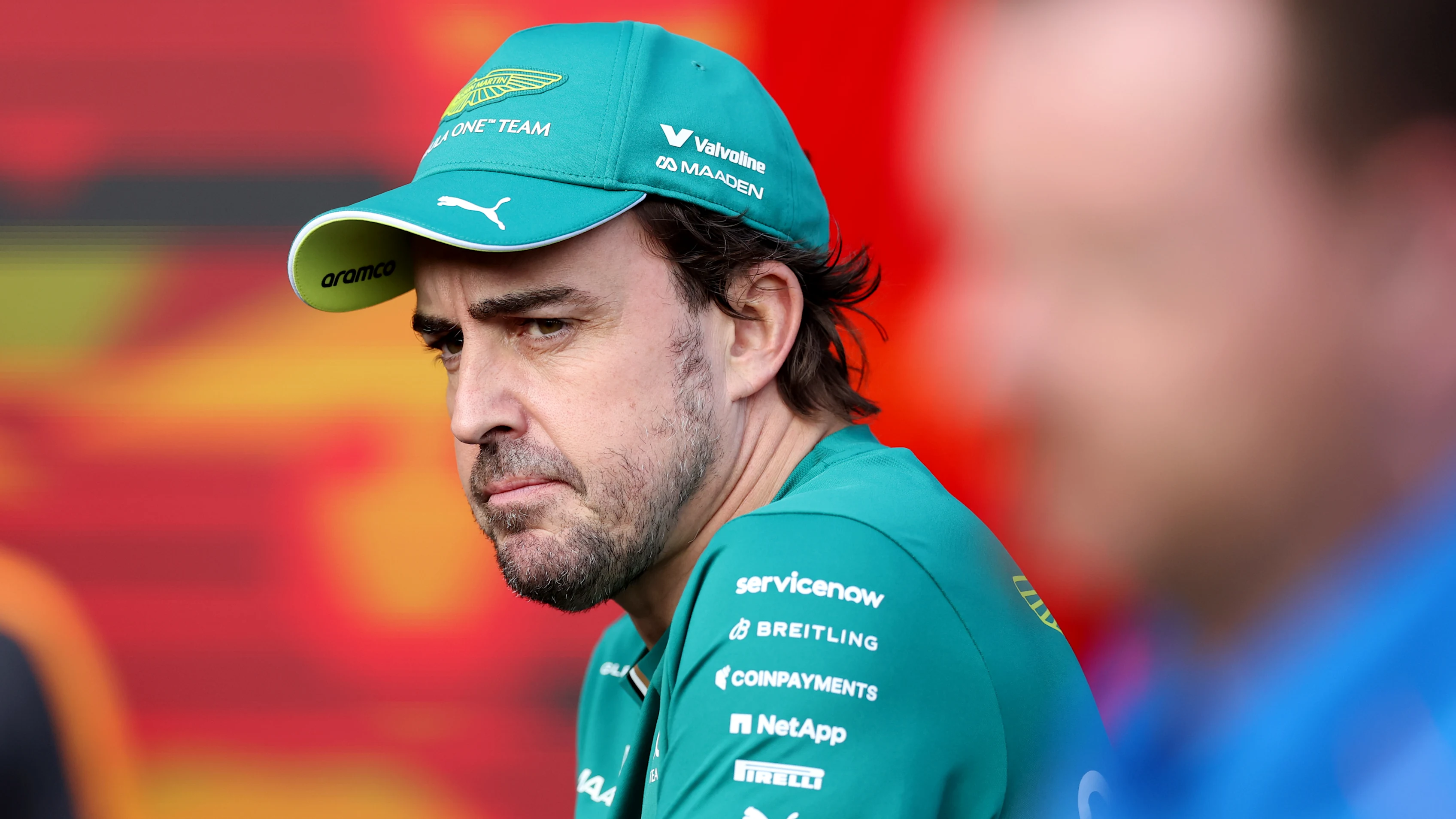
Aston Martin have endured some painful race weekends in 2026, but perhaps none was more disappointing than the Mexico City Grand Prix.
The sight of one AMR26 retiring in the pits after just five laps and the other simultaneously stopping on track summed up what a difficult season this has been for the Silverstone-based team and their power unit partner Honda.
That the double retirement happened after the package had shown some promise earlier in the weekend – and in a race where ultimately points were on offer for drivers who started down the field – made it even harder to take.
Fernando Alonso looked respectably quick in practice, especially in Free Practice 2 (FP2), and through the three sessions he amassed some 84 laps.
Things started to go wrong in Qualifying when he was told to stop after just one run in Q1, the result of an MGU-K (Motor Generator Unit – Kinetic) cooling issue arising.
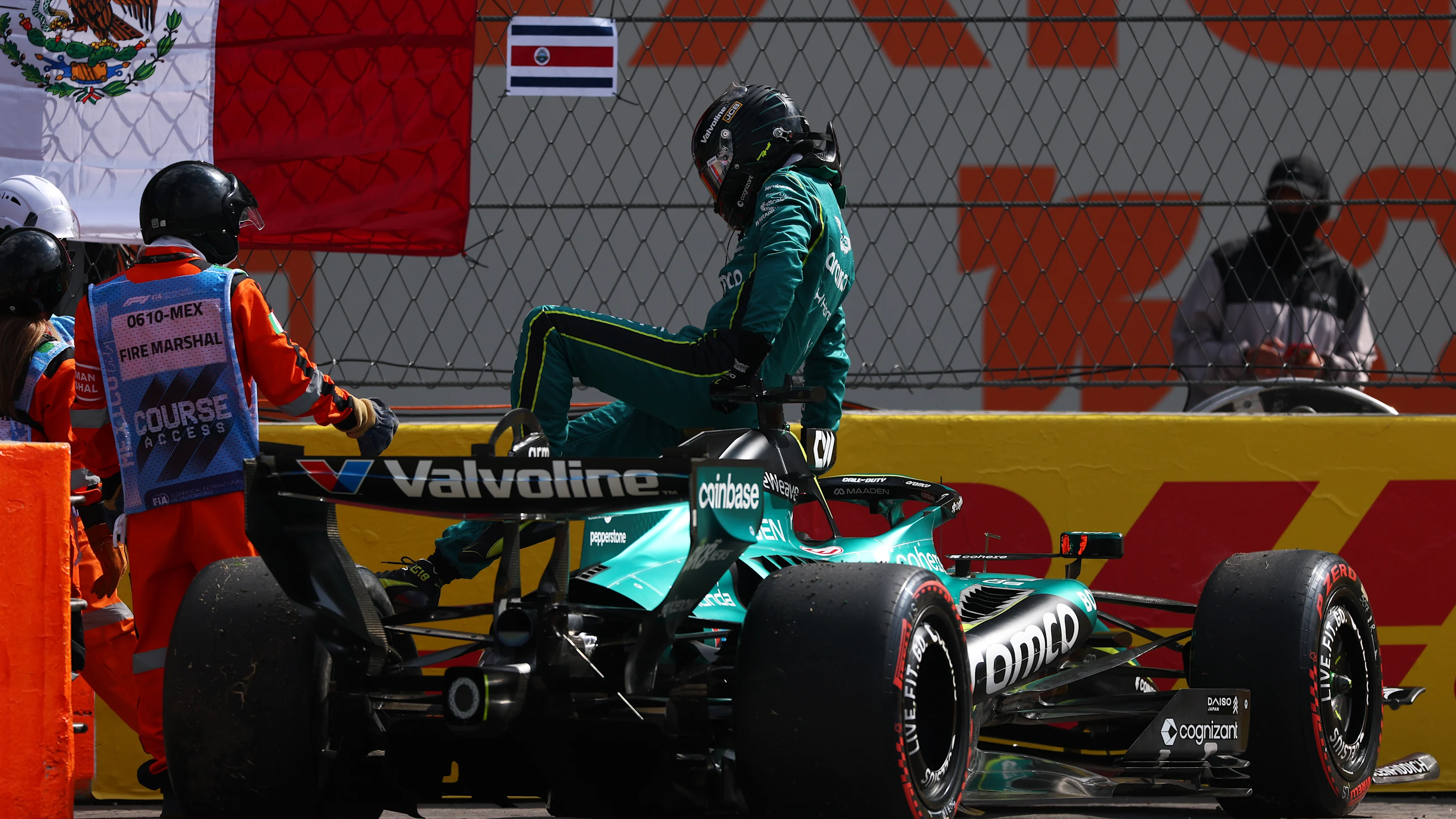
Even worse was to come on Sunday, despite a change of MGU-K for Alonso and multiple elements for Lance Stroll. After poor getaways – with Alonso citing a lack of power off the line – almost immediately both drivers were told to address cooling issues by lifting off early.
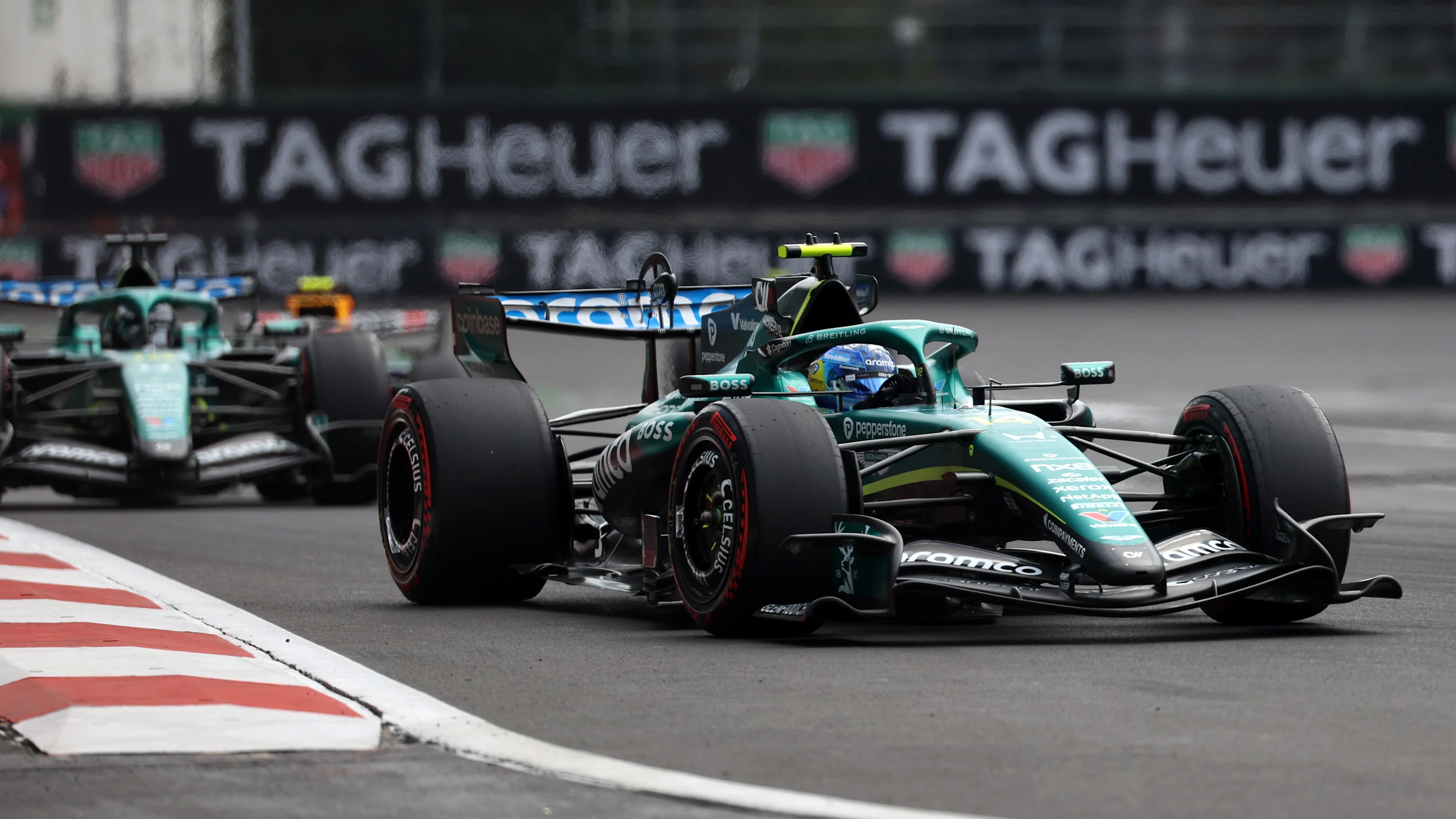
They were then both called into the pits at the end of Lap 3 in an attempt to drop them out of the train and bring temperatures down.
It didn’t work, as Alonso was soon called back in to retire, while Stroll carried on round only to be told to pull over and park. Both men were credited with just five laps.
Alonso made clear his frustration about retiring so early despite the attempts to cool things down.
“Mexico always provides a very big challenge for the power units and things like that,” he said. “So yeah, even with that, seems that it was not enough, so we had to retire the car. We need to understand.
“Quali and the race was very frustrating, because free practice was fine. We did a lot of laps in FP1, FP2, and FP3 as well, and when we got to the moment of truth, quali and race, we didn’t manage to do enough laps.
“But this is part of the process of learning, and hopefully we can learn – hard lessons – but we can learn things from today.”
Regarding the first stop he said: “I think they were concerned about something already, because when I saw Lance coming as well, I knew that it was a shared problem, between us.
“I think the challenge with the altitude and things like that probably was underestimated by the power unit.”
Alonso tried to see the positives as he looked to the future.
“I mean, we are all together on this,” he said. “Very tough first season for the team. But I think as I said, days like today there are hard lessons, but we are learning. I think the whole power unit department is aware of the problems and the issues.
“Completely new engine next year, currently testing at the dyno. So yeah, I have faith. I have trust in next year because it’s a completely new project, and the car is really going in the right direction, the chassis side. Obviously it’s difficult to say in moments like today, but we all have high hopes for next year. And we still believe that we can fix a lot of the things.”
Honda’s Trackside General Manager and Chief Engineer Shintaro Orihara gave some insight into the Mexican issues.
“We found our ERS [Energy Recovery System] cooling circuit got some stress in special circumstances,” he explained. “Racing laps were okay, but in some special circumstance, we have found some stress happen on our circuit, and [as a result] the car stops. That is coming from this high altitude.”
Asked why, as Alonso noted, the car was able to run so many laps in practice, Orihara added: “That problem happened in some special circumstance, so 80% or 90% is okay [except] in some special circumstance, and that appeared today, and also yesterday.”
Like Alonso, Orihara stressed that it was all part of the steep learning curve that Honda have been on all season.
“Each race we need to learn for next year,” he said. “For example, here in Mexico we prepared for high altitude conditions, especially turbo lag. Again, 90% racing lap we can manage turbo lag. But in some special circumstance, our ERS management, sometimes you can see weak point. So we should get some robustness for this type of track. That’s our learning point.
“So also driveability, again, in the majority of laps was okay, but some special circumstance driveability is not okay for the driver. We can learn from track learning, and also we can learn from driver feedback. That type of thing we should bring back to factory for next year.”
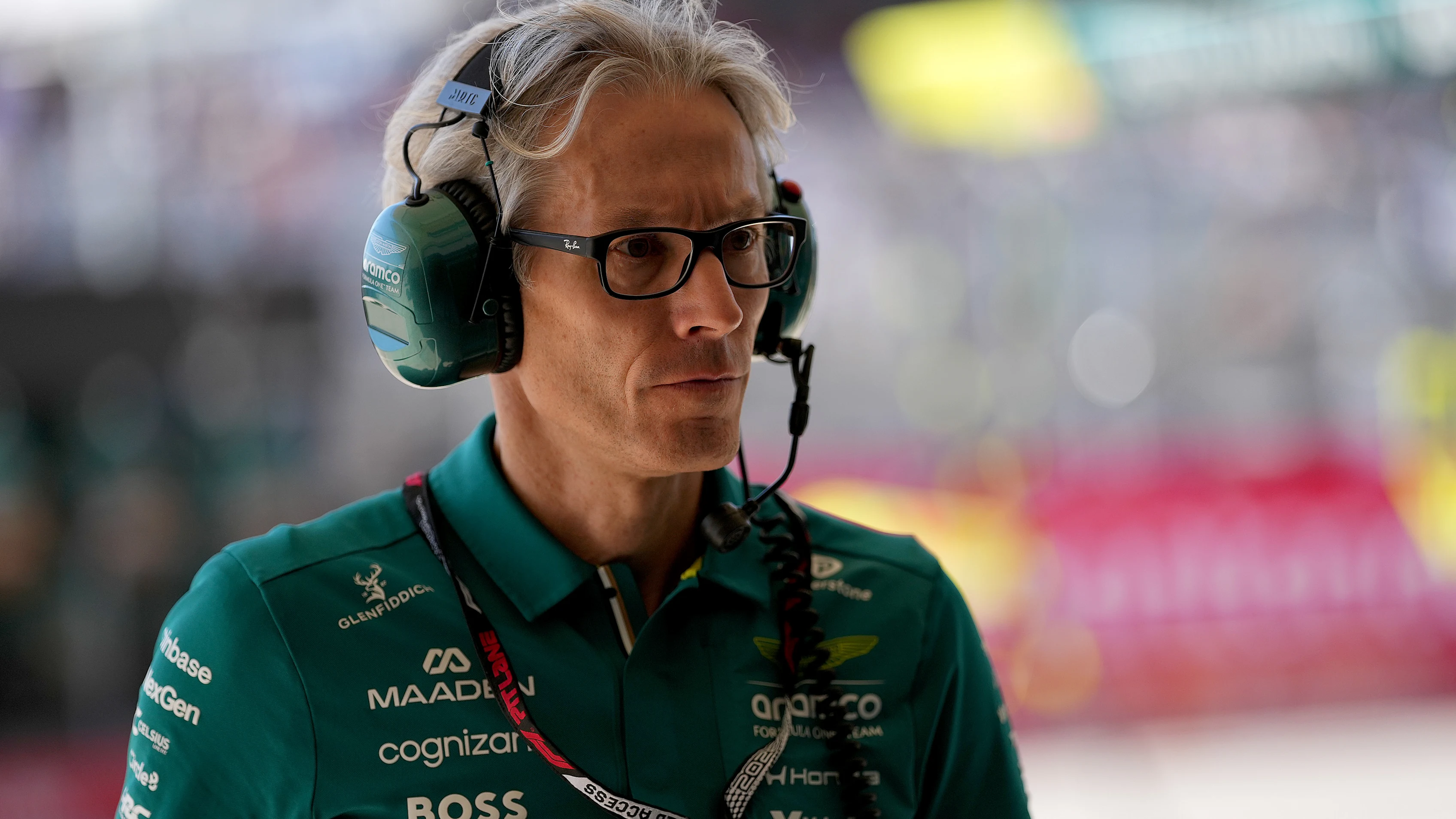
Aston Martin’s Chief Trackside Officer Mike Krack acknowledged that there were positives to be drawn from the strong pace Alonso demonstrated in practice.
“We always need to analyse very carefully, how does it come together?” said Krack. “It certainly was encouraging, but it was also concerning from the simple point that cooling was a challenge from the beginning, and that’s something that carried also over the whole weekend.
“Now I’m sure there have been concerns up and down the pit lane – depending on where you ask, I think you will get the same answer. Our biggest challenge coming here was the impact of altitude, temperature, on cooling, on driveability, on grip.
“Now with the track resurfacing, the grip was quite good, I have to say, especially on the new part. So that was one box ticked. We were encouraged – but also concerned.”

Next Up
Related Articles
 Antonelli reveals race number he will use to defend title in 2027
 ‘It's a matter of respect’ – Vasseur on Hamilton/Leclerc clash
 Antonelli's incredible journey to his maiden F1 title
 Unlocked5 Winners and 5 Losers from Mexico City
 UnlockedPALMER: What impressed me most in Antonelli’s title year
 F1’s youngest World Champions as Antonelli smashes record