TECH ANALYSIS: Have Mercedes pioneered a left-field solution with their new W17 – or are they trying to mislead rivals?
F1 technical expert Mark Hughes gives his initial take on the Mercedes W17 design.

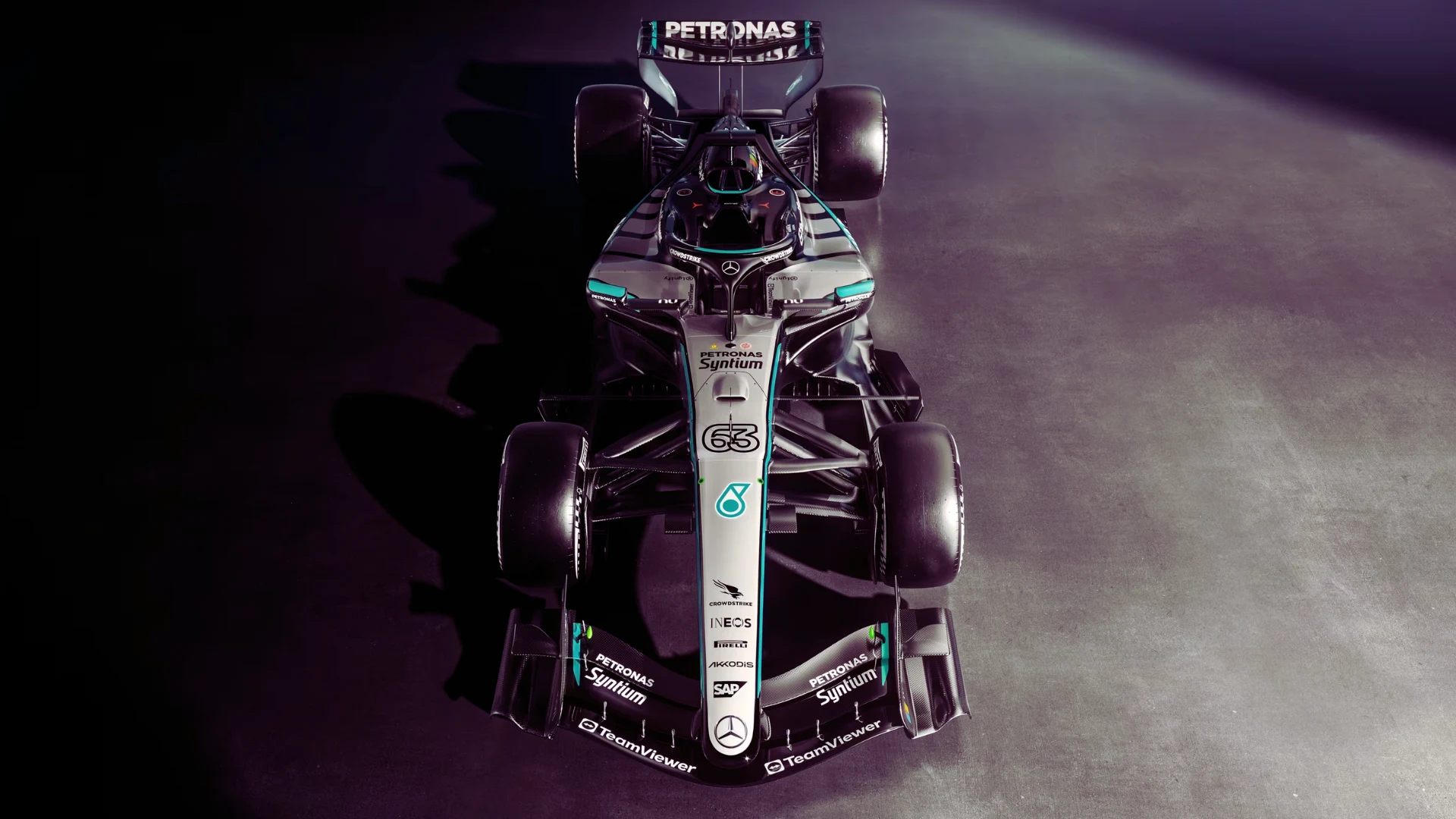
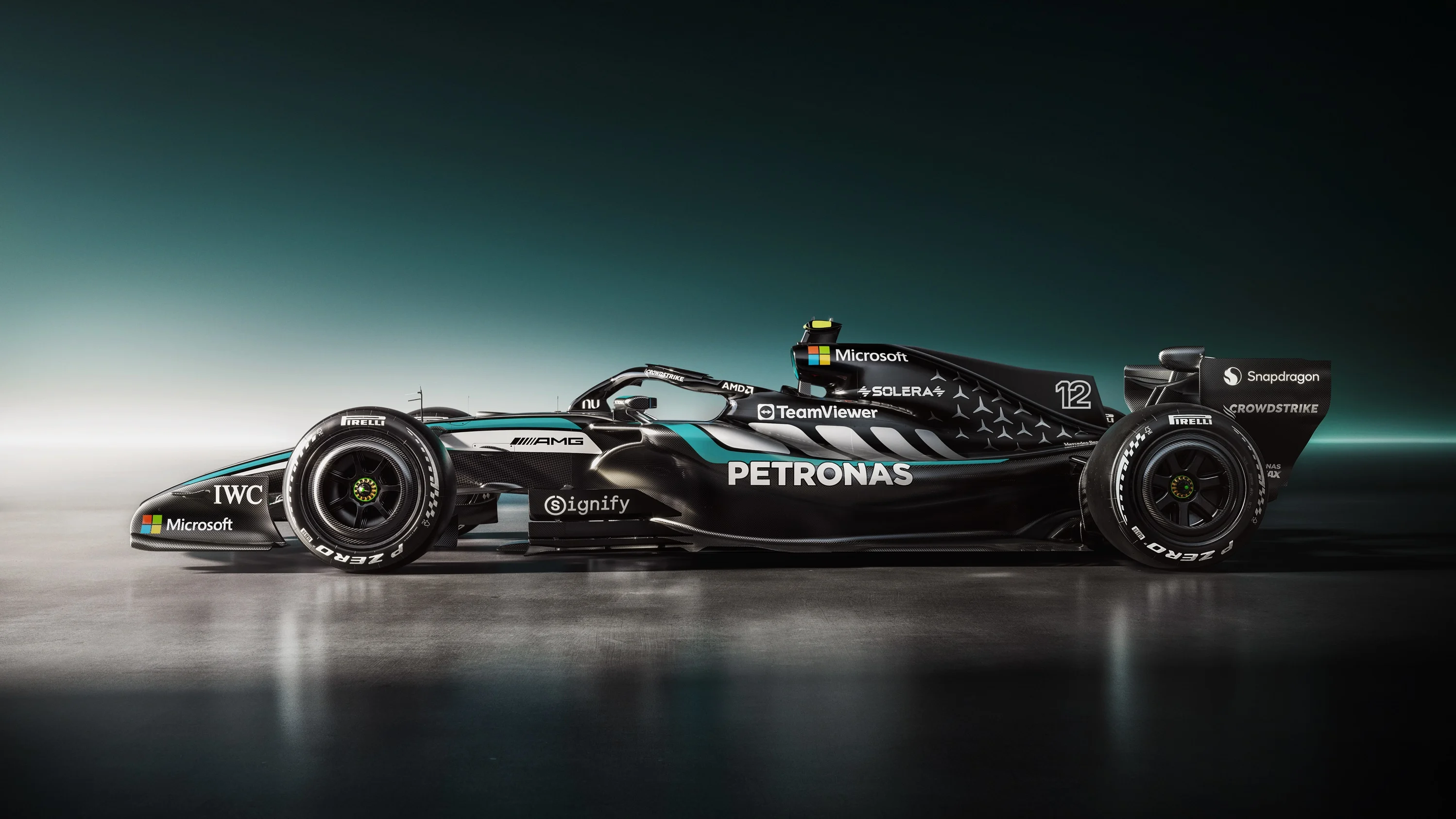
The renders Mercedes have released of their new W17 challenger show a distinctive design – especially around the rear three-quarters – with a lower bodywork that kinks upwards at the rear.
This is in stark contrast to the extreme downwash bodyworks on the other 2026 cars that we have seen thus far. However, this is a computerised render and not the real thing, so it’s difficult to try to read too much into it.
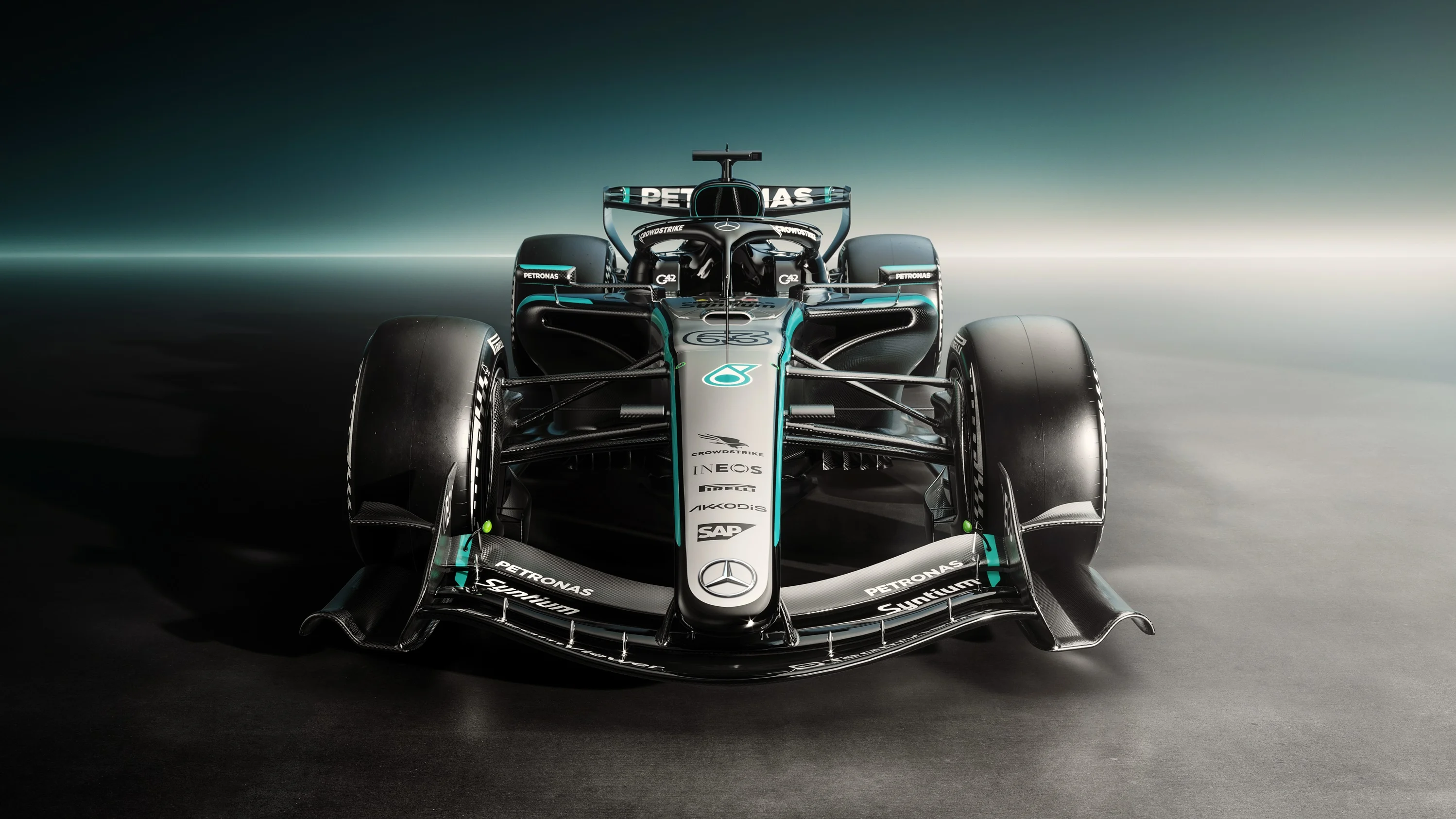
Other notable points are the retention of pushrod front suspension (Mercedes were in the minority in using front pushrod last year), which seems to be the common choice of teams for the 2026 regulations.
It’s notable that the pushrod is intrinsically lighter for the same strength and this is probably a significant driver of that move as everyone struggles to get down to the lowered 770kg minimum weight.
With the platform of these flat-bottom cars no longer needing to be as stiff as those of the ground-effect era machines, the ride heights are expected to be greater and we will probably see the return of using some dive under braking to bring forward the centre of aero pressure into slow corners to counter the natural low-speed understeer. As such, the pullrod installation’s inherently greater stiffness control is no longer as valuable.
The nose mounts to the middle element of the three-element front wing via pillars, leaving a big slot beneath with which to feed airflow to the underfloor. With the reduction in underfloor downforce arising from deleting the venturi floor tunnels, rear downforce generation is going to be at more of a premium than before. Mercedes appear to be committing heavily to this.
On the renders, the floor board ahead of the sidepod – a new part of the regulation intending to force teams to in-wash the front wheel wake into the floor rather than out-washing it for greater aero effectiveness, but a more disruptive wake for the car behind – looks to be fully committing to in-washing with the alignment of the vanes.
Looking at the VCARB which tested at Imola, it appears as if that team is trying to minimise the in-wash in the way it has aligned the permitted three vanes within the boards. This would seem more logical, but again this may not be representative of the actual W17 when it breaks cover on its shakedown at Silverstone.
Other things to check when the real car breaks cover include whether the sidepod/engine cover really is as flat in profile as the render makes it appear – or whether the heavy downwash which is the more obvious reaction to the new regulations will be incorporated also on the W17.
If the real car indeed has this sidepod/engine cover arrangement and the committed in-washing floor boards, then there will be many seeking to understand how Mercedes have chosen to resolve the conflicting demands of the new regulations.
Have they pioneered a left-field solution, or is this just a case of deliberately misleading renders?
.webp)
Next Up
Related Articles
 Why there’s still hope for Russell in the 2026 title race
 Aston Martin keep Alonso and Stroll for 2027
 Why Alonso has re-signed with Aston Martin
 BettingOur early Bet Builder picks for the Bahrain Grand Prix
 Hadjar explains what makes Verstappen such a tough driver
 Ocon confirms he will leave Haas at end of 2026 season